Adventure Travel in Tohoku Will Change the Way You See Exploration!
Adventure travel combines at least two of three key elements: activity, nature, and cultural experiences. Tohoku is packed with incredible experiences set against breathtaking natural scenery across the four seasons, offering travelers deep and moving encounters.
At the sacred site of Dewa Sanzan in Yamagata Prefecture, you can immerse yourself in the spirit of Shugendo through a traditional Yamabushi monk training experience.
Spanning Iwate and Akita prefectures, Hachimantai offers accessible, stunning mountaintop trekking where alpine flowers bloom in full summer glory.
In Aomori Prefecture's Hakkoda Mountains, take a ropeway ride for an awe-inspiring, 360-degree panoramic view of vibrant autumn foliage.
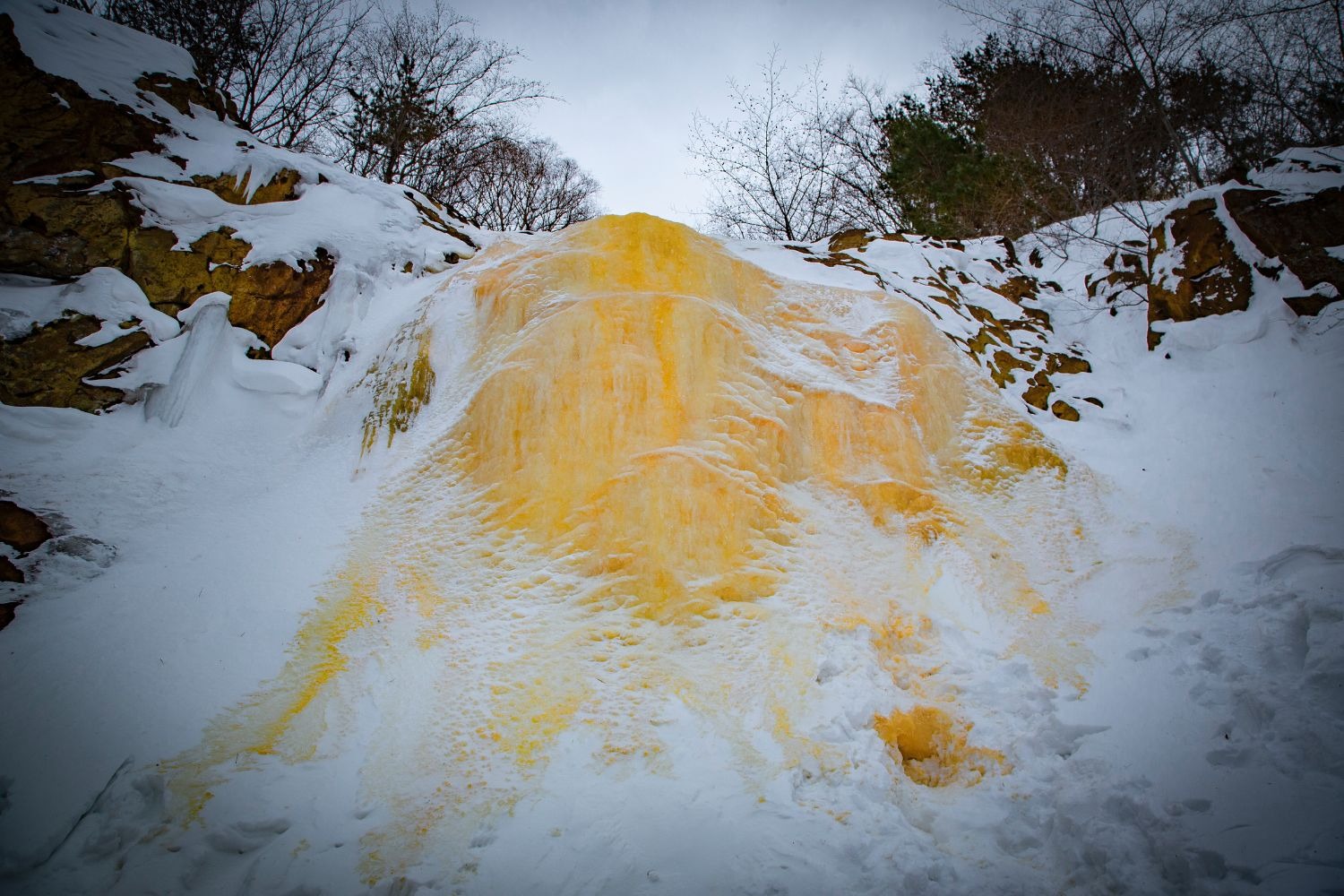
On Mount Bandai, the symbol of Fukushima Prefecture, set out on a snowshoeing adventure to reach the fleeting yellow icefall, known as the Yellow Falls.
Along the Pacific coast from Aomori to Fukushima runs the Michinoku Coastal Trail, a long-distance trail stretching over 1,000 kilometers (620+ miles)!
A journey spent immersed in grand nature and diverse local culture is sure to leave an unforgettable impression on you!
Aomori to Fukushima: Follow the Sea Breeze Along Japan's Longest Trail
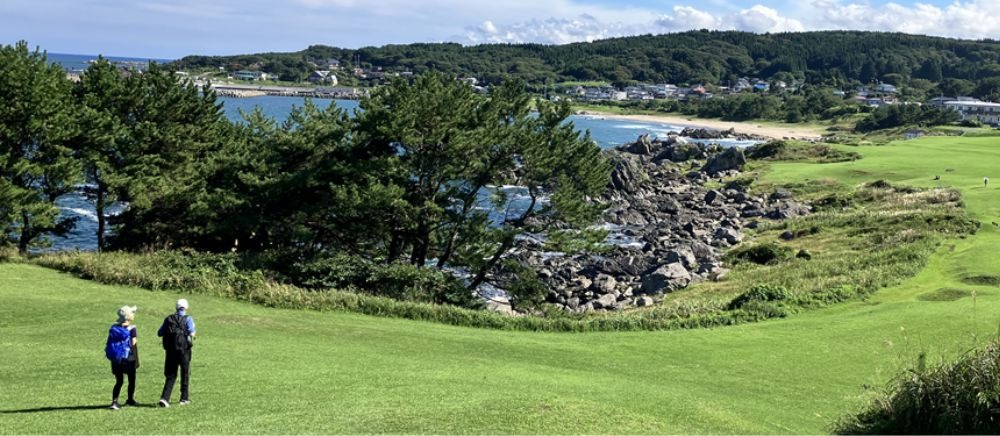
Stretching over 1,000 kilometers (620+ miles) along the Pacific coast from Hachinohe, Aomori to Soma, Fukushima, the Michinoku Coastal Trail (locally, Michinoku Shiokaze Trail) is Japan's longest long-distance trail.
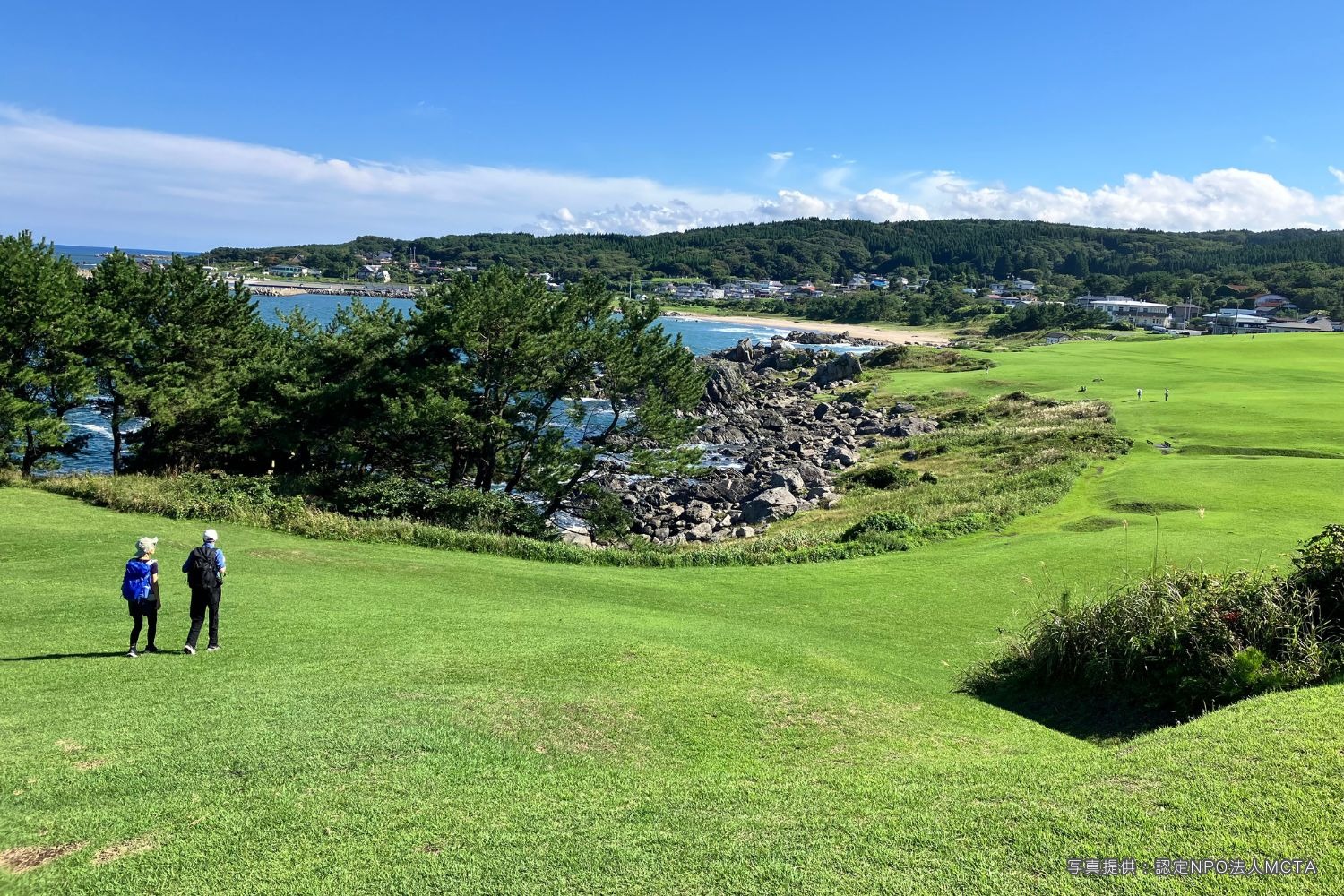
Beyond its stunning natural beauty, from dramatic cliffs to tranquil sandy beaches and lush forests, the trail also offers a journey into the lives, history, and culture of the people who call this coastline home. Highlights dot the route, including the Tanesashi Coast, a nationally designated Place of Scenic Beauty.
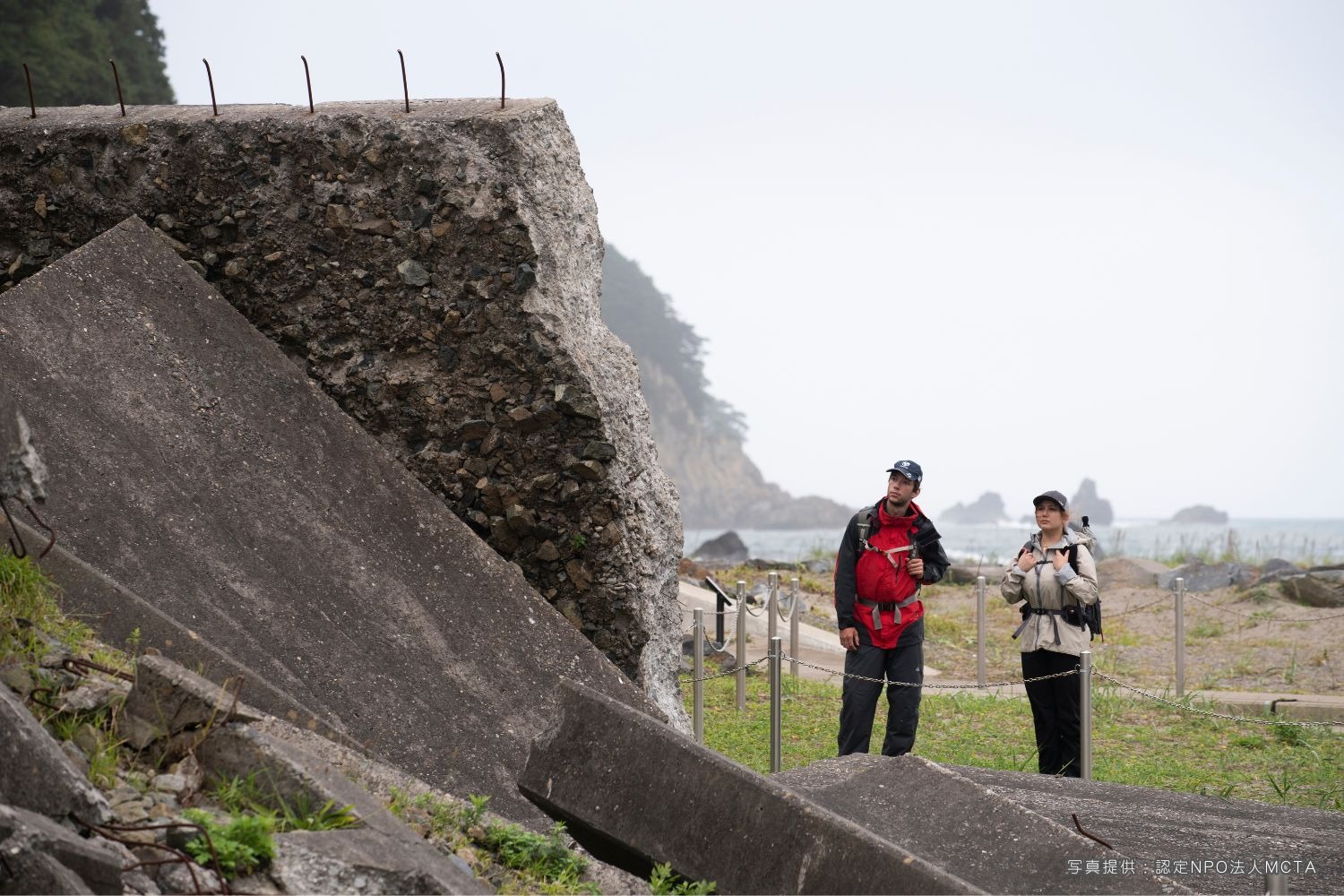
Long-distance trail hiking is an immersive outdoor activity. Be sure to gather thorough information and plan your route carefully before setting out on your journey!
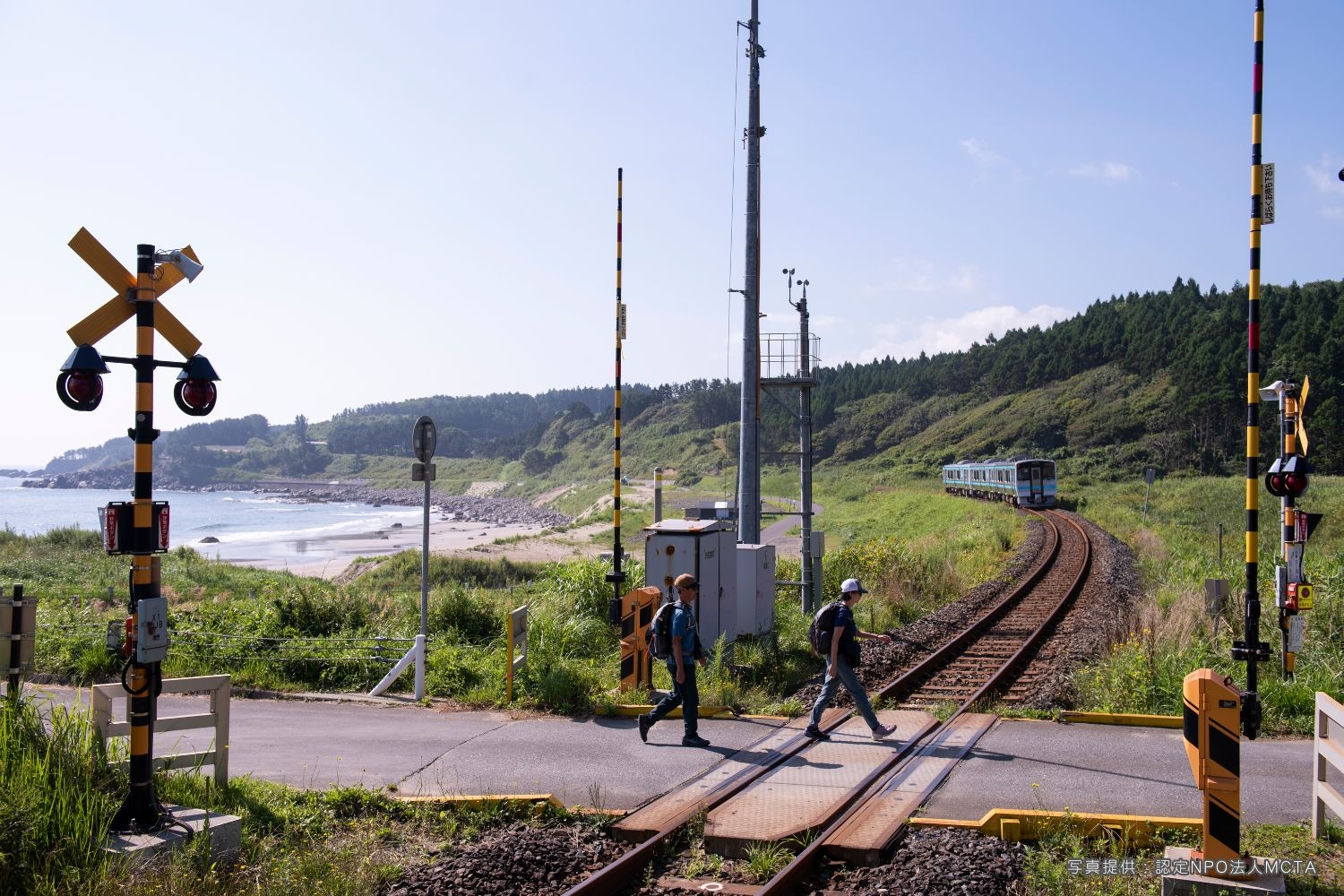
Photo provided by: Certified NPO MCTA
Dewa Sanzan, Yamagata: Rediscover Yourself Through Shugendo Monk Training
Dewa Sanzan (Mount Haguro, Mount Gassan, and Mount Yudono) in Yamagata Prefecture is a sacred site of Shugendo, dotted with numerous cultural treasures, including the Mount Haguro Five-Story Pagoda (a National Treasure) and the Cedar Avenue of Mount Haguro (a nationally designated Natural Monument).
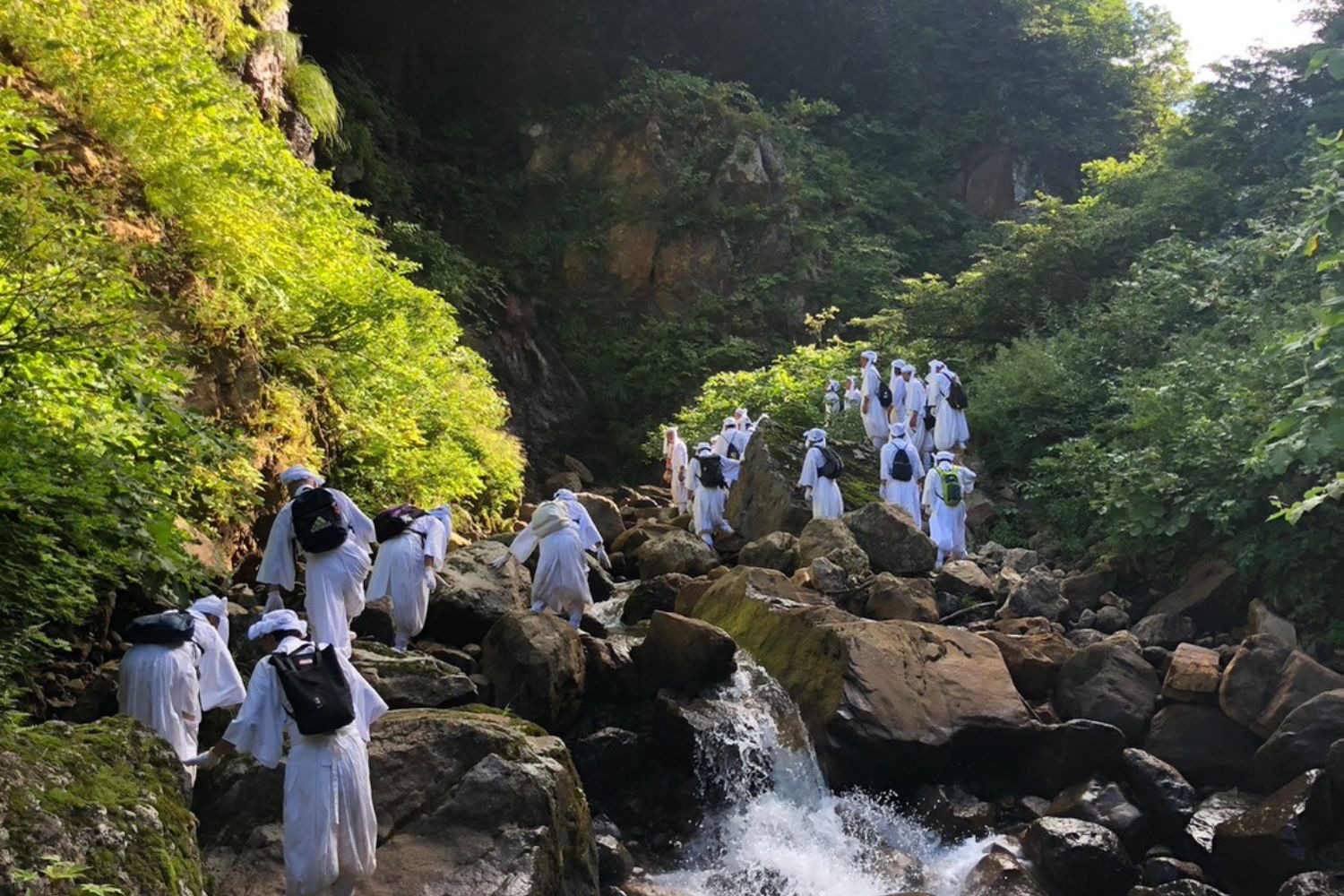
Here, you can experience portions of yamabushi training traditions that have continued for roughly 1,400 years. Authentic yamabushi training is a rigorous practice involving fasting and water abstinence, said to represent a rite of death and rebirth.
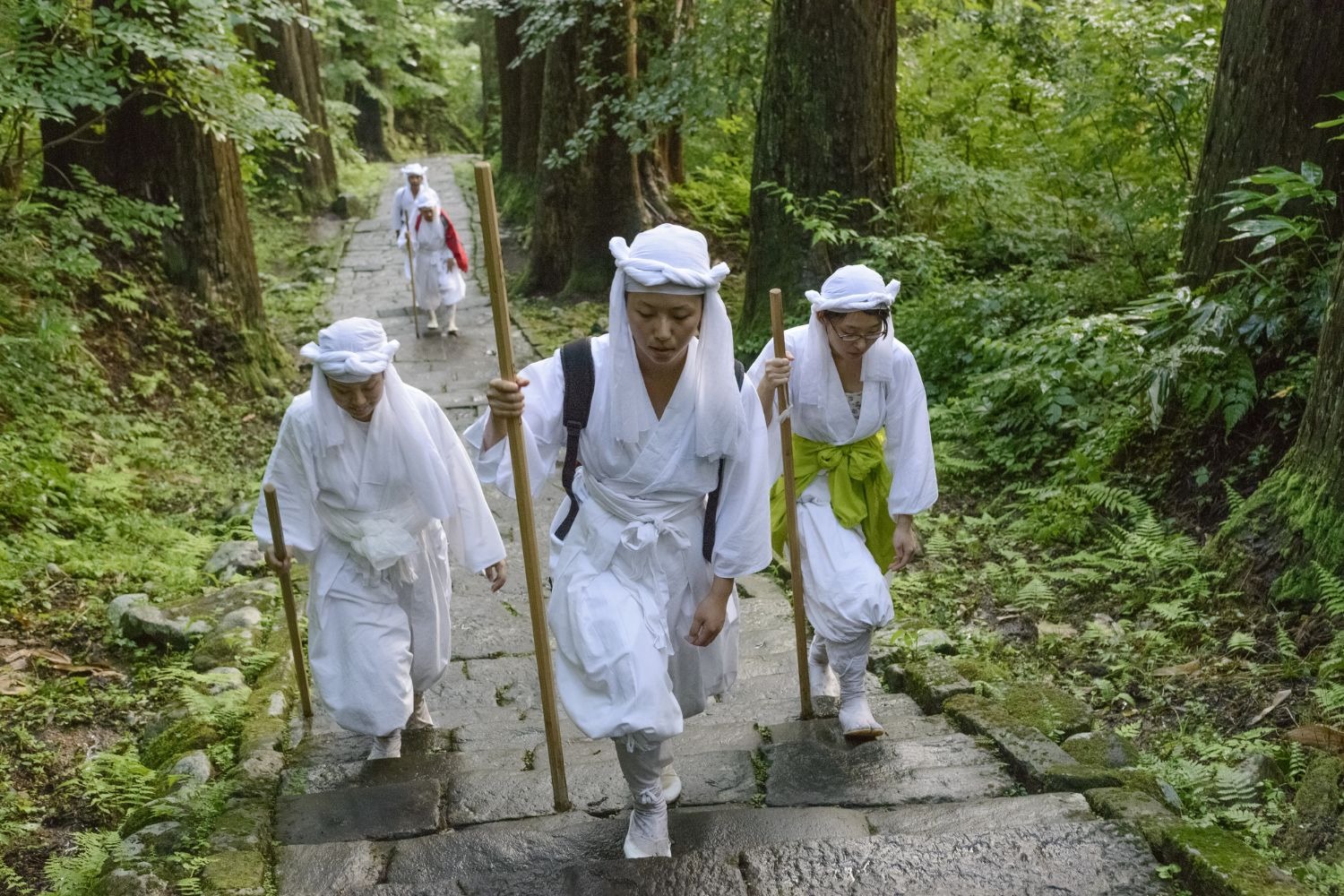
In the beginner-friendly training program, participants don white robes (shiroshozoku), stay at traditional temple lodgings (shukubo), and take on challenges like mountain trekking, waterfall meditation, and fire-walking (program details may vary depending on the year).
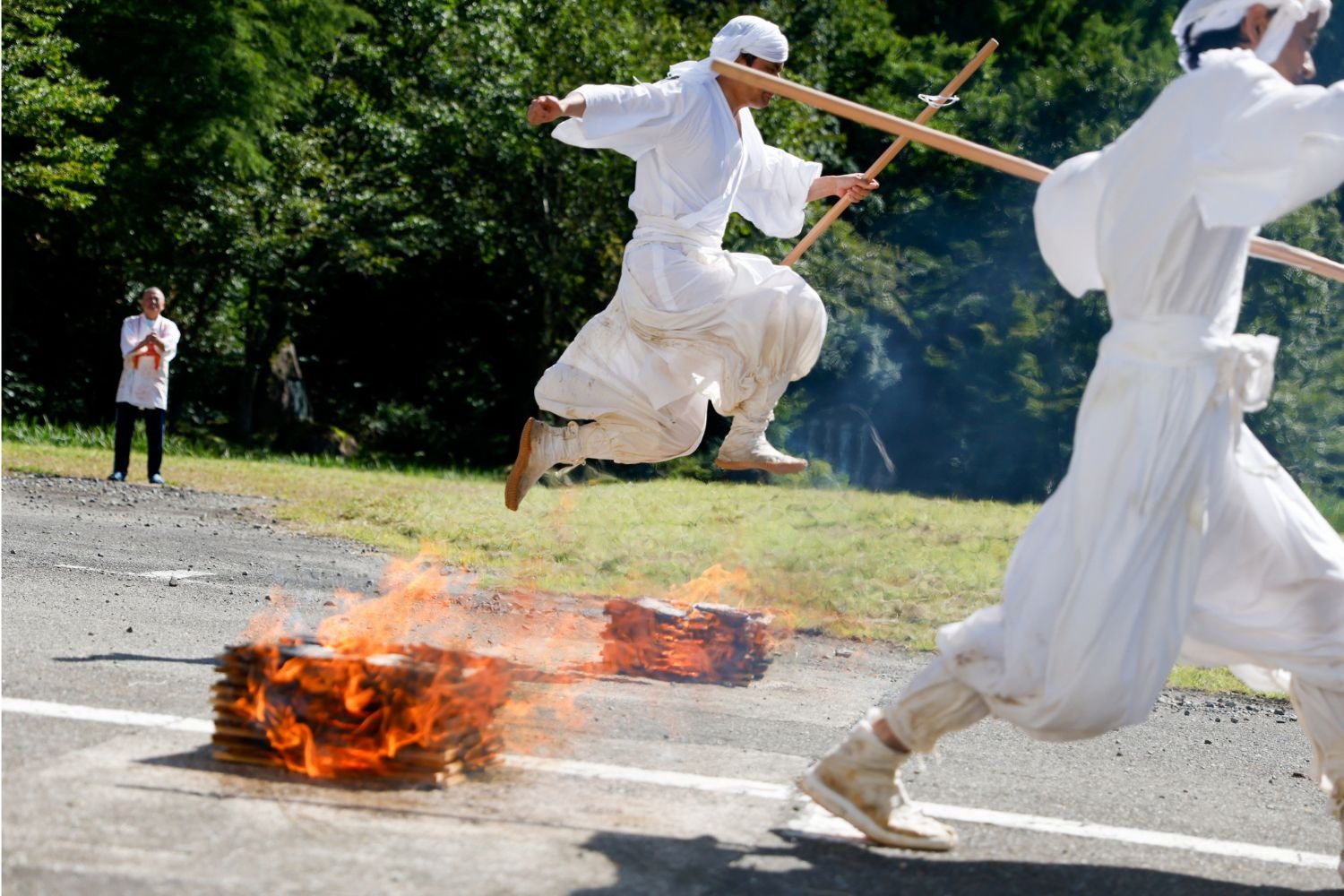
Through this experience, you can step away from worldly distractions and reflect deeply on your inner self.
Hachimantai, Iwate & Akita: Take in Breathtaking Views Among Blooming Alpine Flowers
Located within Towada-Hachimantai National Park, Mount Hachimantai (one of Japan's 100 Famous Mountains) rises to a 1,613-meter (5,293-foot) summit, where you can drive nearly all the way to the top for easy access to spectacular views.
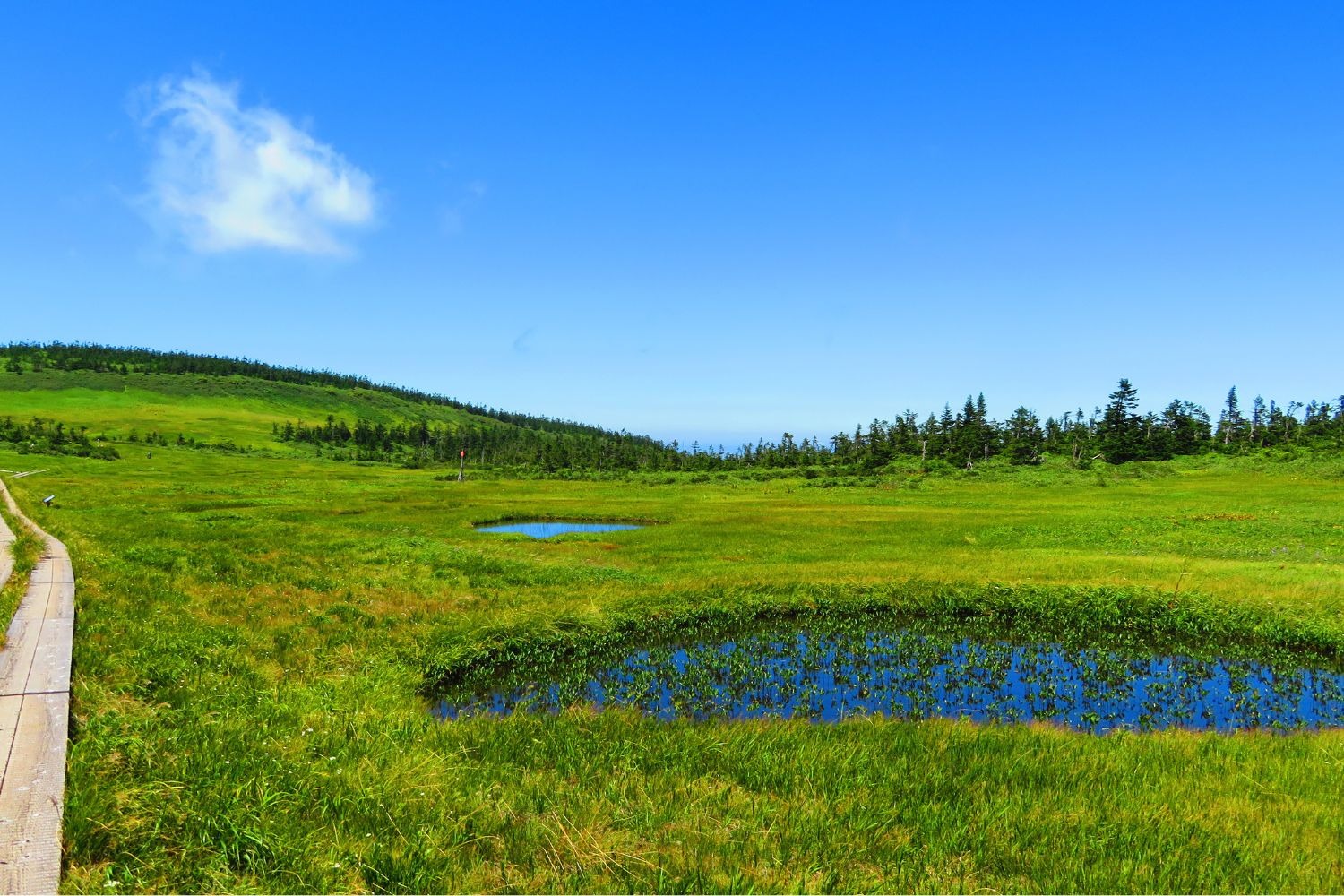
Formed by ancient volcanic activity, this unique landscape is dotted with picturesque lakes, ponds, and wetlands where delicate alpine flowers bloom throughout the summer.
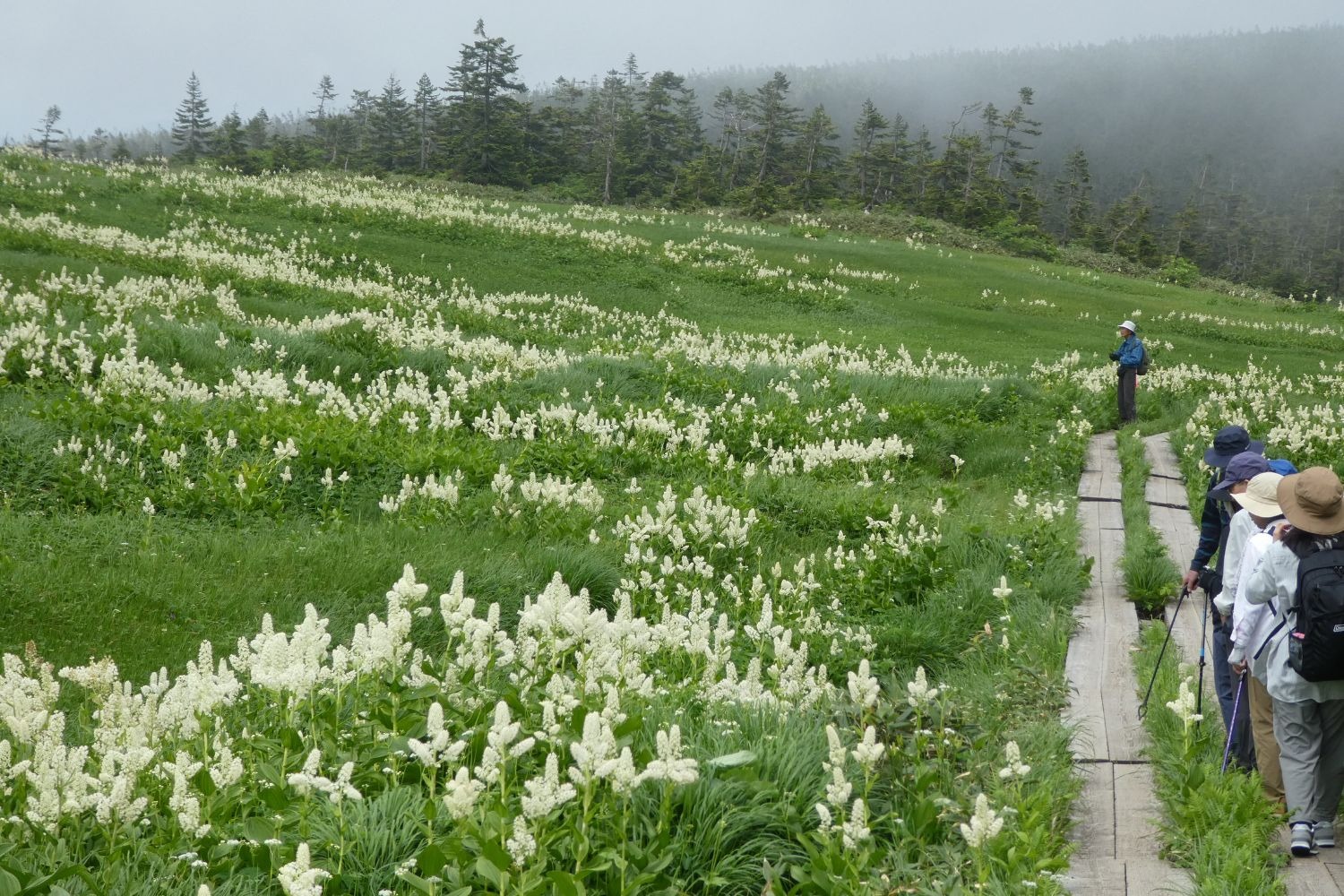
Often referred to as a "trekking mecca," the area features a diverse network of trails suitable for everyone from beginners to seasoned hikers.
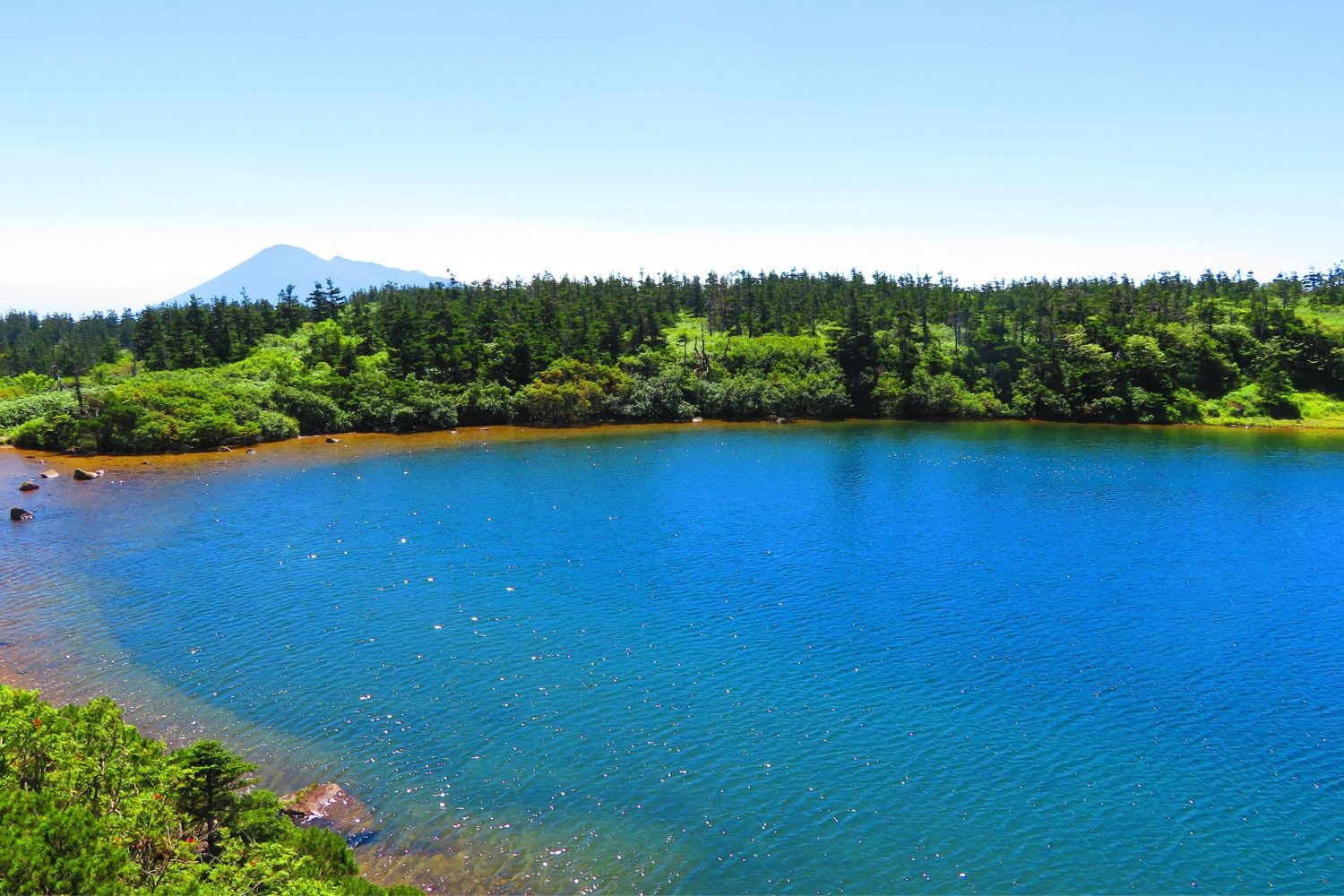
Well-maintained walking trails near the peak let you fully enjoy breathtaking scenery, from primeval coniferous forests and marshes to clusters of lakes and alpine flowers, in just a one to two hour stroll.
Hakkoda, Aomori: Float Above a Canopy of Autumn Colors on the Hakkoda Ropeway
Located in the northern part of Towada-Hachimantai National Park, the Hakkoda Mountains are counted among Japan's 100 Famous Mountains. The Hakkoda Ropeway offers a front-row seat to their breathtaking scenery.
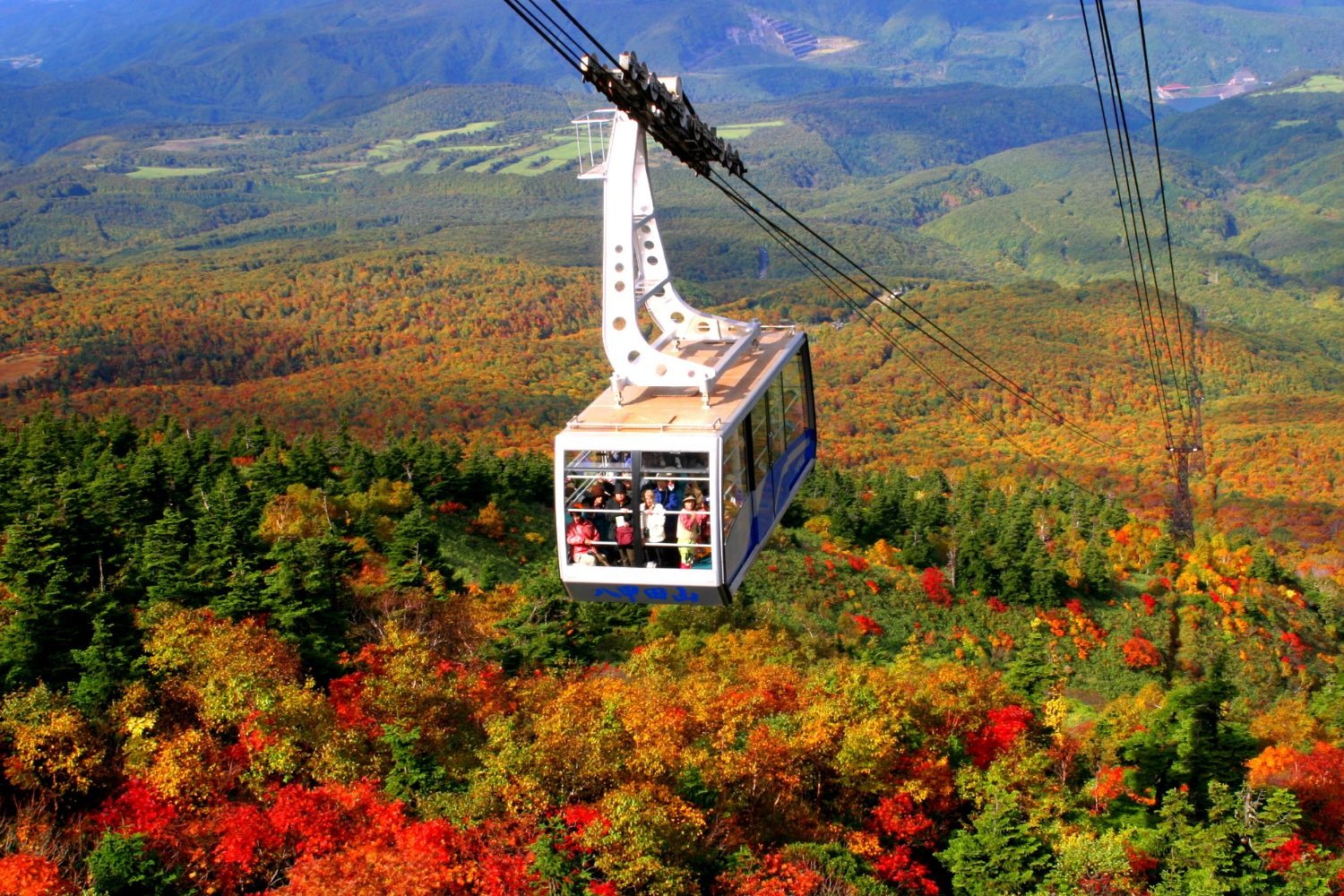
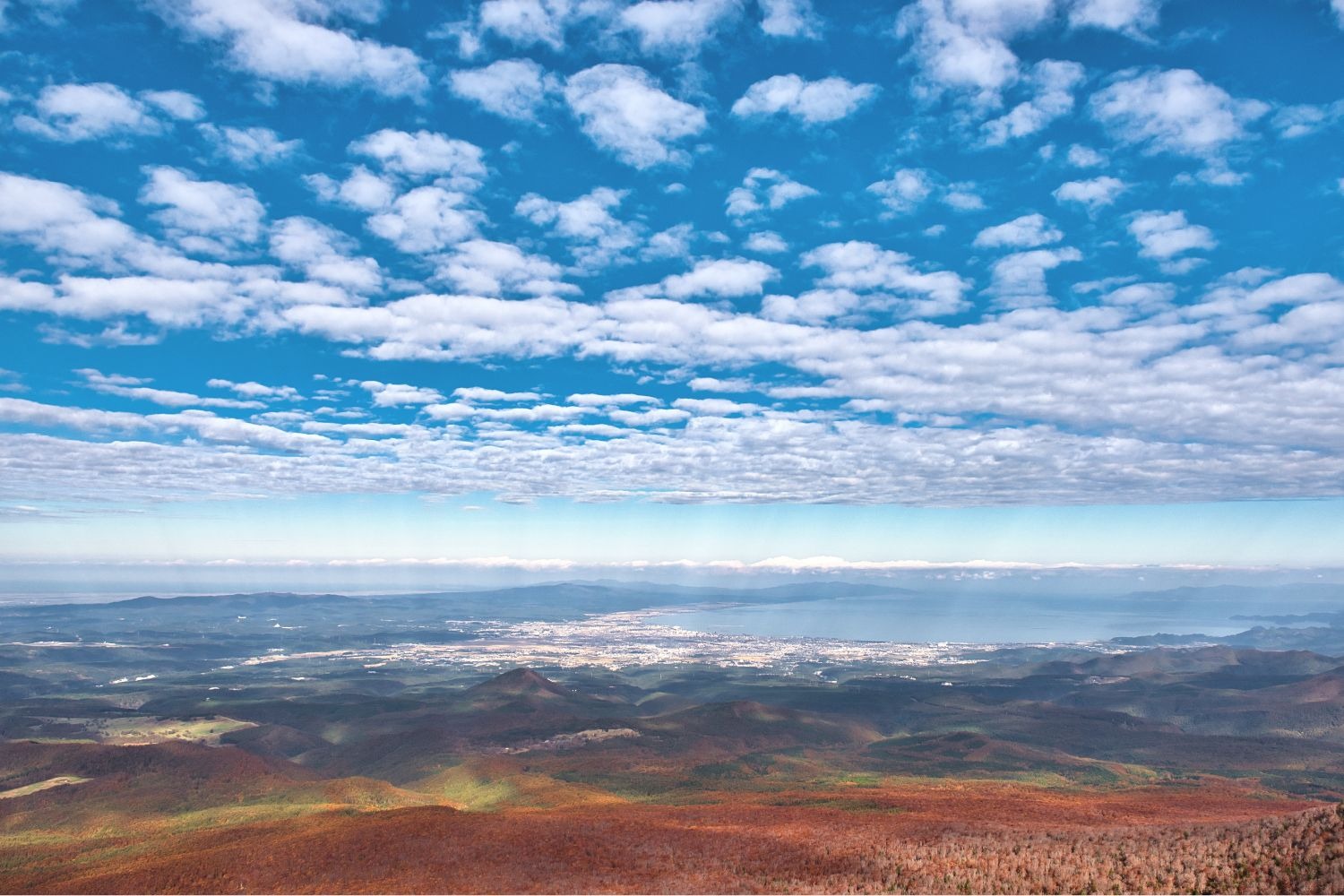
The roughly 10-minute ride to the summit offers stunning views of nature's beauty across all four seasons. From early to late October in particular, you can enjoy a 360-degree panorama of autumn colors as far as the eye can see. The gradual shift of vibrant reds and yellows from the summit down to the mountain's base is simply breathtaking.
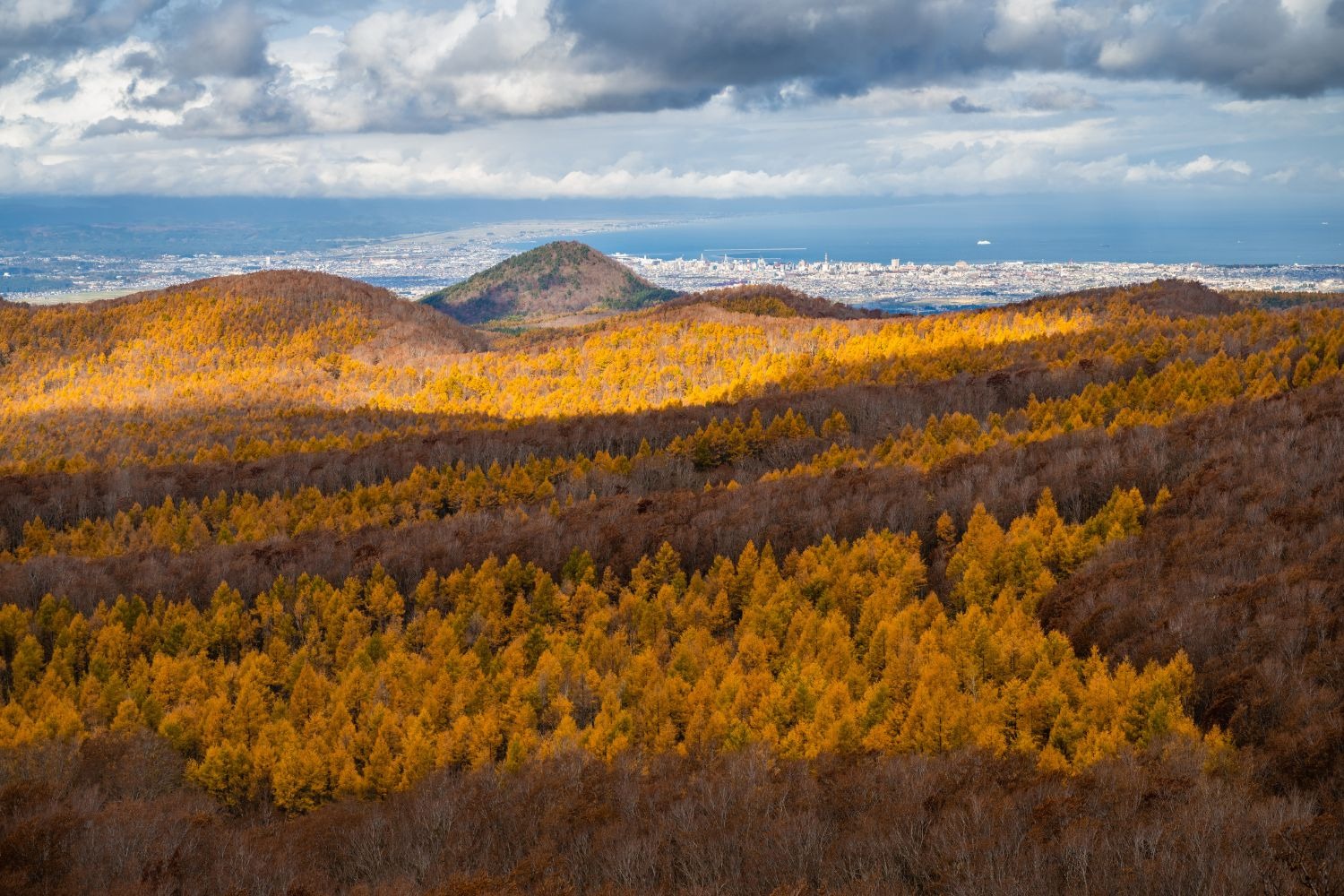
From late October into November, weather permitting, you may even catch the magical sight of the first snowfall mingling with the fall foliage.
Urabandai, Fukushima: Journey to a Fleeting, Golden Icefall
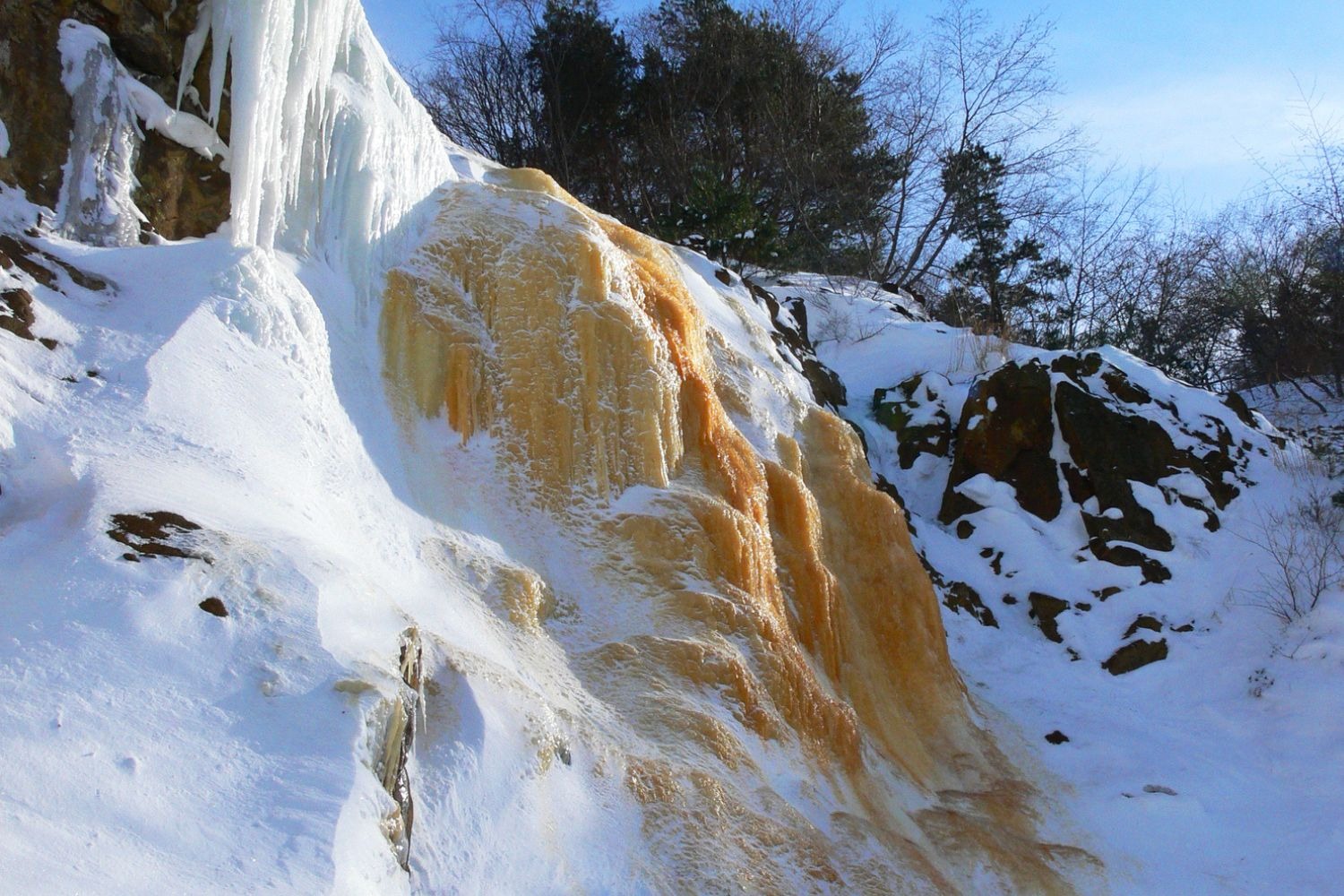
Mount Bandai is the heart of the Bandai-san Geopark, serving as the defining symbol of the region's origin and geological beauty. On the northern side of the mountain in the Urabandai area, a giant frozen waterfall known as the "Yellow Falls" appears inside the volcanic crater during the dead of winter.
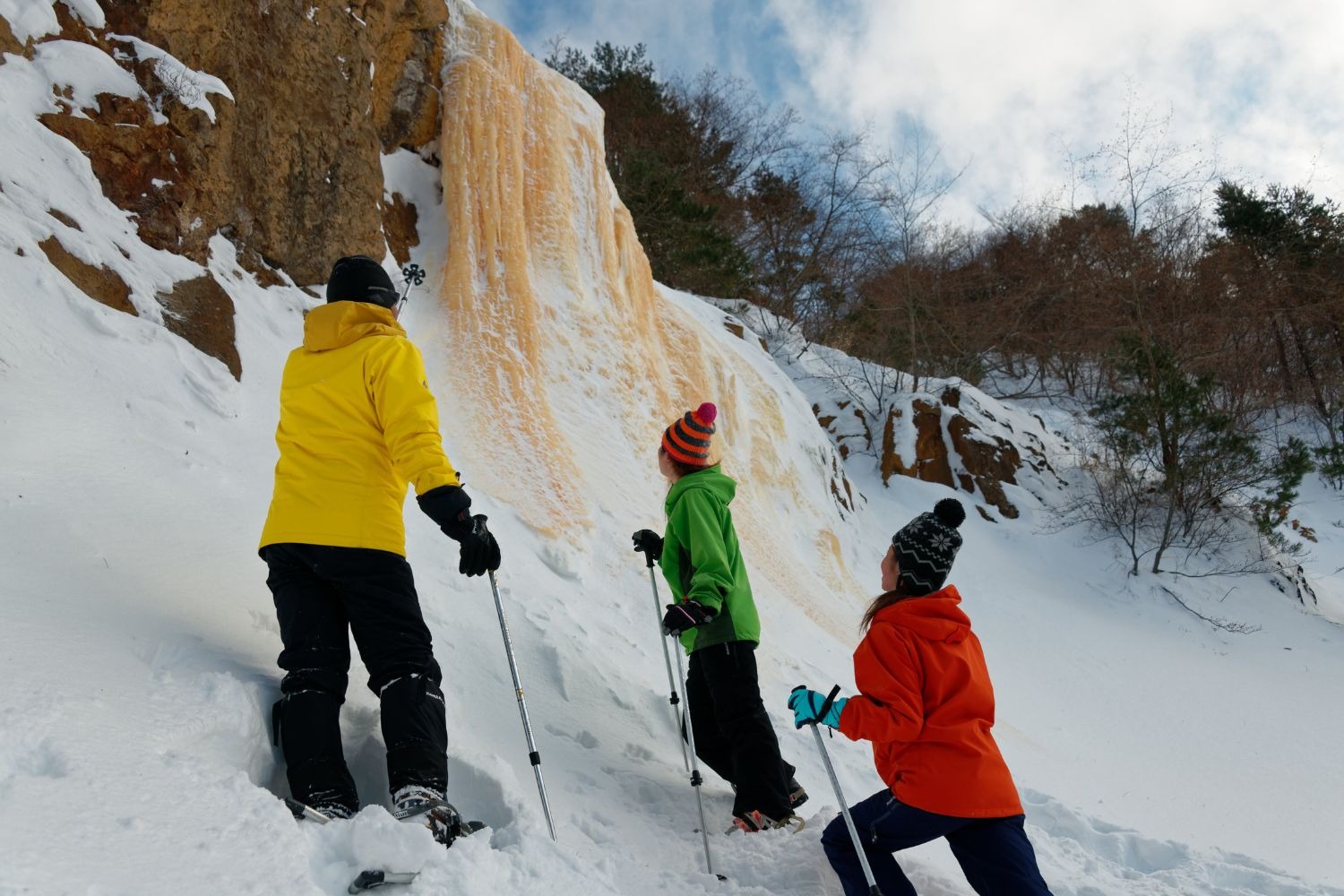
Mineral-rich water containing sulfur and iron seeps from the crater walls, freezing into a massive, golden-hued icefall.
Snowshoe trekking tours to this spot are hugely popular every year. Along the way, you'll walk across the frozen surface of Akanuma (Copper Pond) and see steam rising from the crater walls, letting you feel the dynamic pulse of the Earth firsthand.