The Ultimate Akita Experience Course: Everything Akita Has to Offer
- Suggested Time : 3 days / 2 nights
- Transport Options : Drive
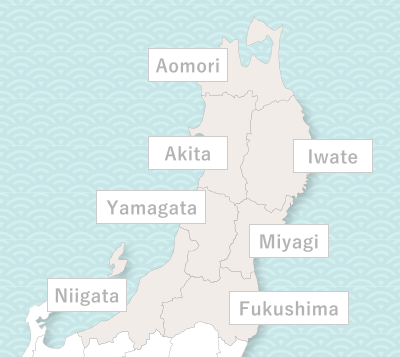


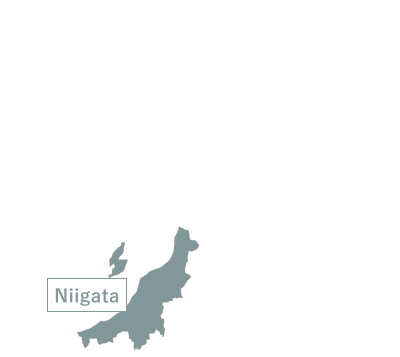
A journey to experience local culture like interacting with Akita dogs and the Akita Kanto Festival or Oga Namahage, while feeling the history of Kakunodate Samurai Residences and Iwate's Hiraizumi Chusonji Temple.
START
Akita
Day1
Akita Dog Station (Akita City, Akita Prefecture)
Meet Akita Dogs in Area Nakaichi
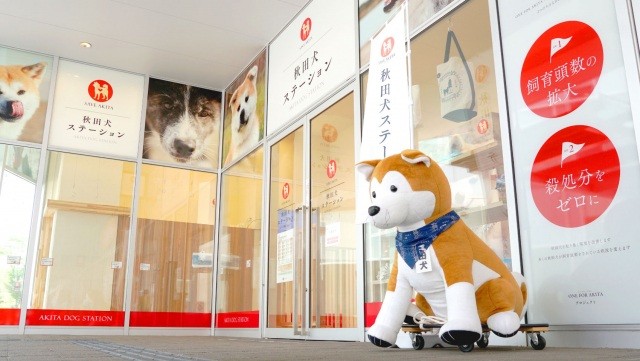
An exhibition space where visitors can meet Akita dogs located in Area Nakaichi.
Akita City Folk Performing Arts Heritage Center (Neburi Nagashi Kan)
Experience a Kanto lantern the same size as the real thing!
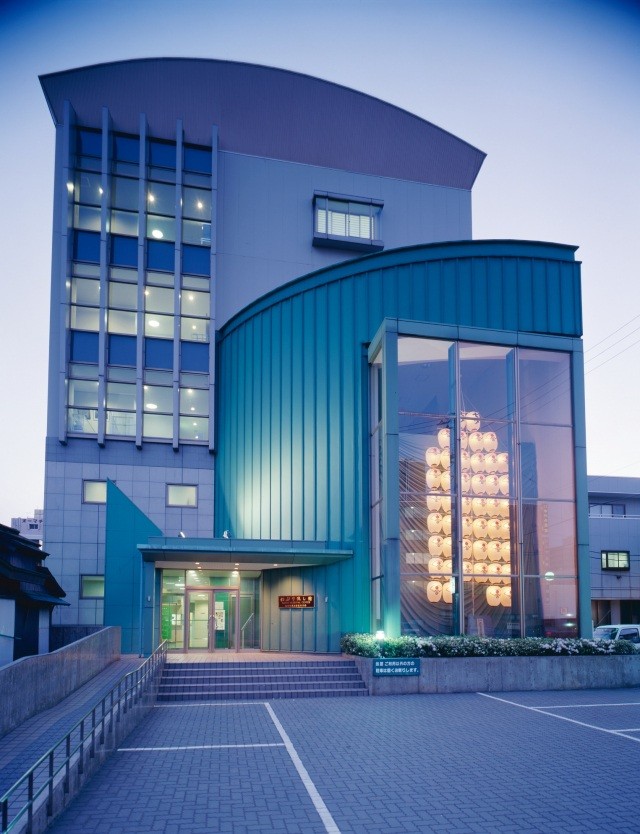
This facility introduces Akita City's traditional events and folk performing arts, such as Kanto and Akita Manzai, with materials and videos. The life-size Kanto lanterns lined up in the atrium exhibition hall are a spectacular sight.Visitors can actually hold the lanterns in their hands and experience the performance.
Lunch (Inaniwa udon, Hinai chicken)

Namahage Museum
The collection of 150 hand-carved Namahage masks is a must see! Enjoy dressing up in a real Namahage costume!
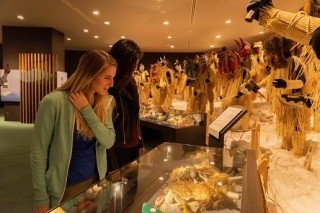
Namahage is a traditional folk event on the Oga Peninsula. Namahage wears an ogre mask and cries out, "Are there any crying children?" and is mistaken for a bad guy who makes children cry.In truth, however, he is a god who comes every New Year's Eve to warn people against laziness and to bring good health, good harvest in the fields, good harvest in the mountains, and good harvest in the sea.
The Namahage Museum introduces the history and culture of Namahage. The Namahage display corner features 150 diverse masks that were actually used in each village. In the Lore Hall, the movie "One Night of Namahage," which introduces the Namahage culture on New Year's Eve, is shown.
There is a corner where visitors can dress up in Namahage costumes and have their picture taken, and a souvenir corner where Namahage goods can be purchased. If you are lucky, you can watch a Namahage carver demonstrate hand-carving masks. (This event is held irregularly).
Next to the Namahage Museum is the Oga Mayama Folklore Museum, where Namahage demonstrations can be seen. Visit both and enjoy the Namahage, which has been registered as a UNESCO Intangible Cultural Heritage.
The Namahage Museum introduces the history and culture of Namahage. The Namahage display corner features 150 diverse masks that were actually used in each village. In the Lore Hall, the movie "One Night of Namahage," which introduces the Namahage culture on New Year's Eve, is shown.
There is a corner where visitors can dress up in Namahage costumes and have their picture taken, and a souvenir corner where Namahage goods can be purchased. If you are lucky, you can watch a Namahage carver demonstrate hand-carving masks. (This event is held irregularly).
Next to the Namahage Museum is the Oga Mayama Folklore Museum, where Namahage demonstrations can be seen. Visit both and enjoy the Namahage, which has been registered as a UNESCO Intangible Cultural Heritage.
Nyuto Onsenkyo
These seven hidden hot springs nestled in the mountains are a must visit!
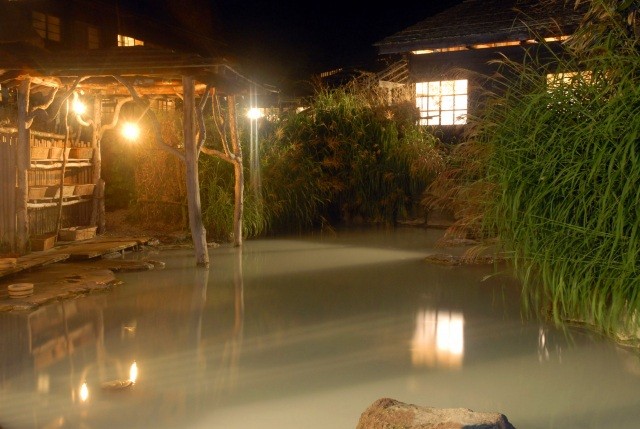
Nyuto Onsenkyo is a hot spring town famous throughout Japan for its hidden hot springs. The area consists of seven hot spring resorts, each with its own unique hot spring source. Since there is a wide variety of spring qualities and inns, it is recommended to enjoy each one by visiting the various hot spring baths.
For 600 yen, you can purchase a Yumeguri Map for unlimited rides on the Yumeguri-go bus that circles around Nyuto Onsenkyo for one day, making it a convenient way to get around. Guests can purchase a Yumeguri-cho booklet for 1,800 yen, which includes bathing fees for the seven hot springs. Both are available at the front desk of each inn.
For 600 yen, you can purchase a Yumeguri Map for unlimited rides on the Yumeguri-go bus that circles around Nyuto Onsenkyo for one day, making it a convenient way to get around. Guests can purchase a Yumeguri-cho booklet for 1,800 yen, which includes bathing fees for the seven hot springs. Both are available at the front desk of each inn.
Day2
Depart from accommodation
Kakunodate Bukeyashiki (Samurai Residences)
Travel back in time to the Edo period in the “Little Kyoto of Tohoku”!
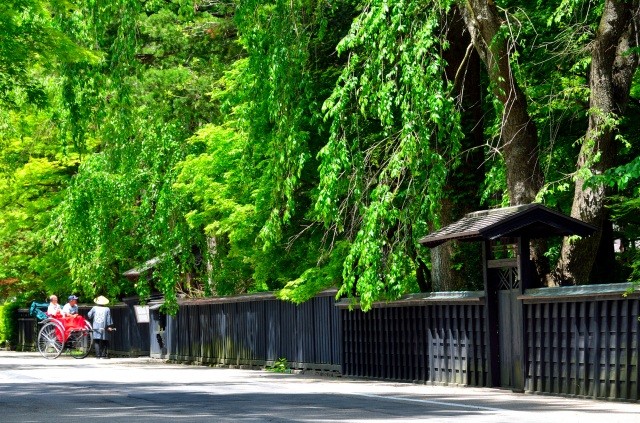
Kakunodate is a former castle town which flourished during the Edo period. Known as the “Little Kyoto of Tohoku”, the town is home to a district two-kilometres in radius consisting of samurai residences and traditional architecture popular with both domestic and international tourists. The samurai residences lining the town’s most famous street are nationally protected Traditional Buildings.
Though some of them are still functioning homes, the residences are open to the public so visitors can get a feel for the traditional samurai life. Tourists can travel back in time to the Edo period by strolling around the traditional streets in an antique Kimono from one of the rental stores in town! A rickshaw ride from the Kakunodate Denshokan Museum will enhance the experience.
The town is charming throughout the year with springtime cherry blossoms, verdant summer greens, colourful autumn leaves and snowy winter scenes. Springtime is particularly popular with people coming for cherry blossom viewing from late April to early May. The traditional district features a row of weeping cherry blossom trees whose pink flowers bloom in beautiful contrast with the black walls of samurai residences, 162 of the 400 weeping cherry trees are designated natural treasures.
The samurai district is a 15 to 20-minute walk from JR Kakunodate station. Be sure to pick up the handy map and brochures available at the tourist information centre, located in a building resembling a traditional storehouse in front of the station!
A thematic journey in the Tohoku region:Castles・SamuraiA thematic journey in the Tohoku region:Flowers
Though some of them are still functioning homes, the residences are open to the public so visitors can get a feel for the traditional samurai life. Tourists can travel back in time to the Edo period by strolling around the traditional streets in an antique Kimono from one of the rental stores in town! A rickshaw ride from the Kakunodate Denshokan Museum will enhance the experience.
The town is charming throughout the year with springtime cherry blossoms, verdant summer greens, colourful autumn leaves and snowy winter scenes. Springtime is particularly popular with people coming for cherry blossom viewing from late April to early May. The traditional district features a row of weeping cherry blossom trees whose pink flowers bloom in beautiful contrast with the black walls of samurai residences, 162 of the 400 weeping cherry trees are designated natural treasures.
The samurai district is a 15 to 20-minute walk from JR Kakunodate station. Be sure to pick up the handy map and brochures available at the tourist information centre, located in a building resembling a traditional storehouse in front of the station!
A thematic journey in the Tohoku region:Castles・SamuraiA thematic journey in the Tohoku region:Flowers
Inland Main Line
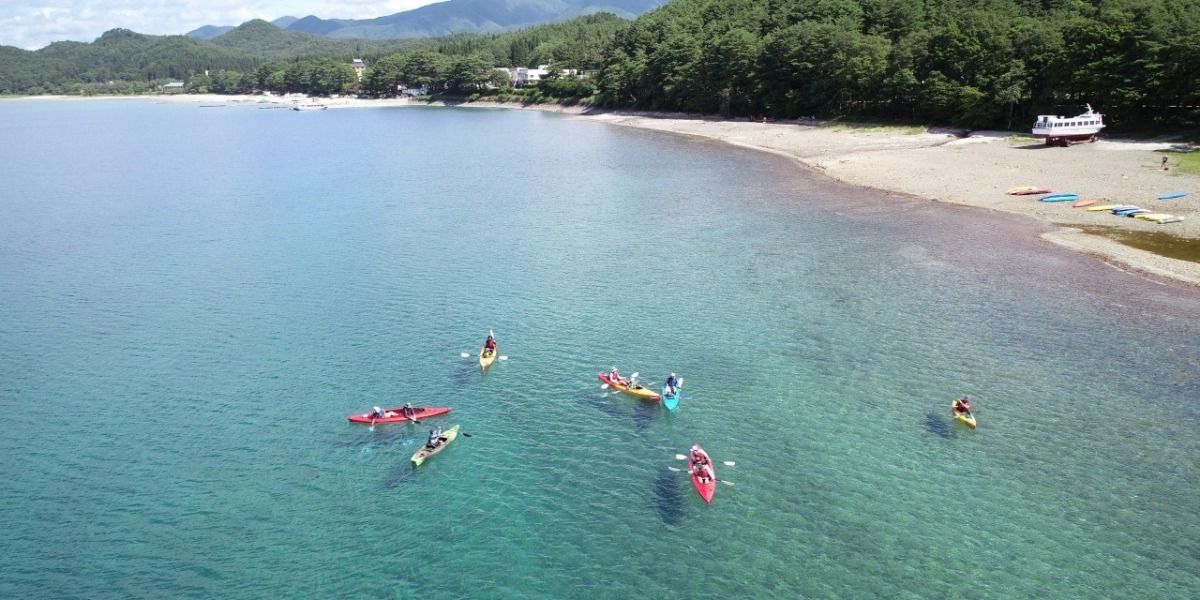
Lake Tazawa Kayak Tour
Lake Tazawa, the deepest lake in Japan, is 423.4 meters deep. Let's paddle out into this emerald green lake!
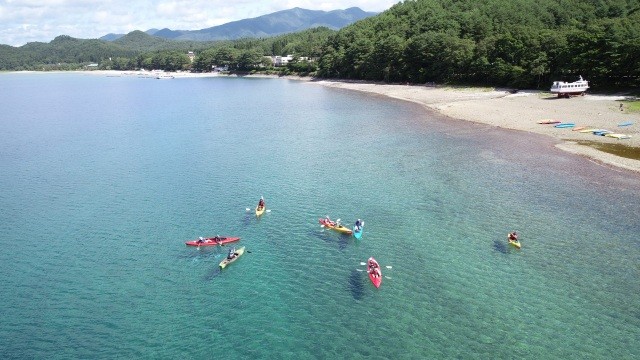
Lake Tazawa, the deepest lake in Japan, is 423.4 meters deep!Let's paddle out into the emerald green lake!
◎...Things you need ○...Things that are useful
◎Comfortable clothes that can get wet and are easy to move around in
*Cotton shirts, pants and jeans are not suitable.
We recommend that you wear shirts or jerseys made of synthetic fibers.
Wearing a swimsuit under a T-shirt is also recommended.
◎Shoes (sandals with a fixed calf are recommended)
◎Change of clothing ◎Bath towel or hand towel
Sunglasses
◎Drinks
Goggles
Rainwear (rain capa)
Disposable contacts
Sunscreen (especially necessary in summer)
Please be prepared for cooler temperatures in the spring and fall months.
◎...Things you need ○...Things that are useful
◎Comfortable clothes that can get wet and are easy to move around in
*Cotton shirts, pants and jeans are not suitable.
We recommend that you wear shirts or jerseys made of synthetic fibers.
Wearing a swimsuit under a T-shirt is also recommended.
◎Shoes (sandals with a fixed calf are recommended)
◎Change of clothing ◎Bath towel or hand towel
Sunglasses
◎Drinks
Goggles
Rainwear (rain capa)
Disposable contacts
Sunscreen (especially necessary in summer)
Please be prepared for cooler temperatures in the spring and fall months.
Akita Art Village (Senboku City, Akita Prefecture)
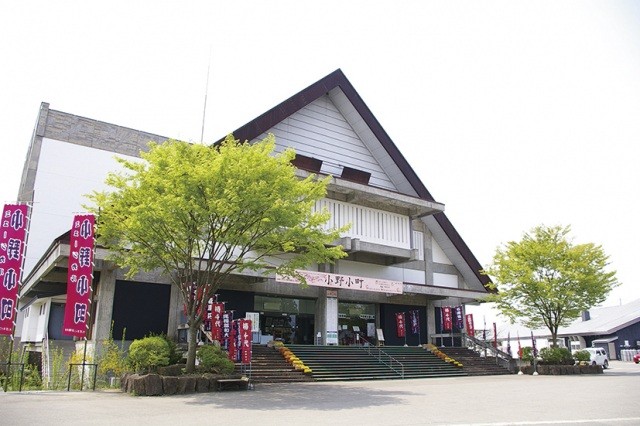
Centered around Warabi Theater, which stages original musicals by the Warabi Troupe, this unique “Art Village” features Akita Prefecture's first craft beer, “Lake Tazawa Beer”; “Yupopo Hot Springs,” offering both day trips and overnight stays; and the “Forest Craft Center,” selling handmade craft furniture and hosting hands-on workshops.
Nyuto Onsenkyo
These seven hidden hot springs nestled in the mountains are a must visit!
Nyuto Onsenkyo is a hot spring town famous throughout Japan for its hidden hot springs. The area consists of seven hot spring resorts, each with its own unique hot spring source. Since there is a wide variety of spring qualities and inns, it is recommended to enjoy each one by visiting the various hot spring baths.
For 600 yen, you can purchase a Yumeguri Map for unlimited rides on the Yumeguri-go bus that circles around Nyuto Onsenkyo for one day, making it a convenient way to get around. Guests can purchase a Yumeguri-cho booklet for 1,800 yen, which includes bathing fees for the seven hot springs. Both are available at the front desk of each inn.
For 600 yen, you can purchase a Yumeguri Map for unlimited rides on the Yumeguri-go bus that circles around Nyuto Onsenkyo for one day, making it a convenient way to get around. Guests can purchase a Yumeguri-cho booklet for 1,800 yen, which includes bathing fees for the seven hot springs. Both are available at the front desk of each inn.
Day3
Depart from accommodation
Koiwai Farm
Recharge your batteries in this massive farmland backed by stunning views of Mount Iwate!
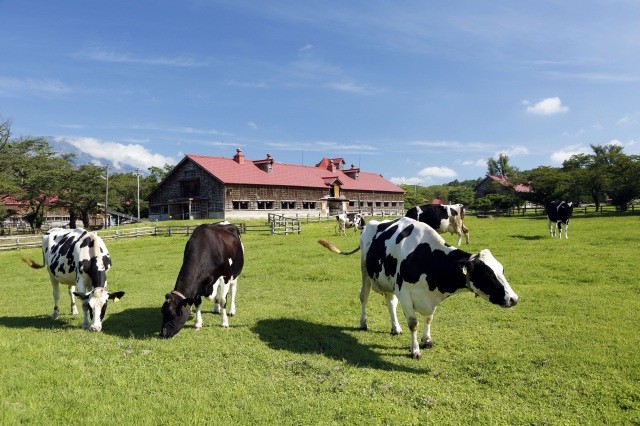
Koiwai Farm, one of the largest private integrated farms in Japan with a history of over 130 years since its establishment in 1891, has a total area of 3,000 hectares, part of which is open to the public as "Makibaen. Beyond the vast grassy plains, the majestic Mt.The farm also offers a variety of hands-on programs, including guided tours of the farm's forests, which are normally off-limits to the public.In addition, 21 buildings, including cowsheds and silos, designated as national important cultural properties, many of which are still in use today, can be viewed up close, including nine in the Kamimaru cowshed. The rest can be experienced at the Koiwai Farm Important Cultural Property Gallery, which makes full use of the latest digital technology in the park.
Food is also an important part of the Makibaen experience. Restaurants and snack stores offer dishes and sweets made with ingredients produced on the farm. Be sure to try the soft-serve ice cream made from raw milk from the Kamimaru Cowshed.
One of the largest illumination events in Tohoku is held during the winter season, offering a different view of the farm than during the daytime.
The farm is also famous for its lone cherry tree in full bloom against the backdrop of majestic Mt.
Food is also an important part of the Makibaen experience. Restaurants and snack stores offer dishes and sweets made with ingredients produced on the farm. Be sure to try the soft-serve ice cream made from raw milk from the Kamimaru Cowshed.
One of the largest illumination events in Tohoku is held during the winter season, offering a different view of the farm than during the daytime.
The farm is also famous for its lone cherry tree in full bloom against the backdrop of majestic Mt.
Geibikei Gorge
Enjoy the picturesque scenery of this gorge often compared to classical landscape paintings!
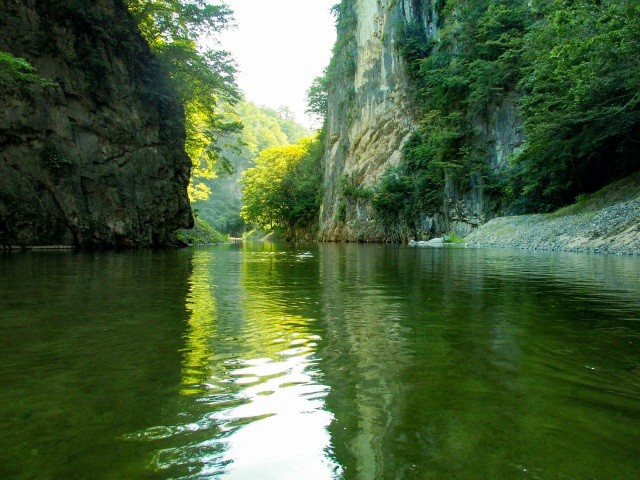
Geibikei Gorge is an officially recognised national natural monument and is listed as one of the 100 greatest landscapes of Japan. A 2km stretch of limestone cliffs rises over 50m on either side of the Satetsu River.
River tours are available through the gorge guided by boatmen propelling their boats with bamboo poles, an experience unique in all of Japan. The boatmen’s traditional singing harmonises beautifully with murmuring streams and adds a particular charm to the tour. Pets are allowed to travel with you on board and passengers can also enjoy feeding the fish swimming elegantly by in the clear waters.
Before returning down the river passengers can get out of the boat at the turning point for a walk along the gorge. The walk features a rock known as the Lion’s Nose, from which the name Geibikei originated, and also a famous cavity in the cliff on the other side of the gorge. Visitors try their luck by throwing “lucky stones” into the cavity in order to make a wish come true!
It is famous for its scenic beauty throughout the four seasons. Visitors can enjoy fresh greenery in spring, flowers such as wisteria, mountain lilies, and geibisekishou, and vivid autumn leaves, as well as an ink painting-like scene in winter, and can enjoy “Kotatsu-bune”, a boat ride in which visitors enjoy snowy scenery while eating hot pots. It is a popular spot, and is expected to be crowded, especially during the autumn foliage season. It is recommended to go early in the morning.
Another beautiful gorge in the town of Genbikei is a 40-minute drive from here. Why not combine your visit to Geibikei with a trip to Genbikei and compare their beauty!
A thematic journey in the Tohoku region:Riverside
River tours are available through the gorge guided by boatmen propelling their boats with bamboo poles, an experience unique in all of Japan. The boatmen’s traditional singing harmonises beautifully with murmuring streams and adds a particular charm to the tour. Pets are allowed to travel with you on board and passengers can also enjoy feeding the fish swimming elegantly by in the clear waters.
Before returning down the river passengers can get out of the boat at the turning point for a walk along the gorge. The walk features a rock known as the Lion’s Nose, from which the name Geibikei originated, and also a famous cavity in the cliff on the other side of the gorge. Visitors try their luck by throwing “lucky stones” into the cavity in order to make a wish come true!
It is famous for its scenic beauty throughout the four seasons. Visitors can enjoy fresh greenery in spring, flowers such as wisteria, mountain lilies, and geibisekishou, and vivid autumn leaves, as well as an ink painting-like scene in winter, and can enjoy “Kotatsu-bune”, a boat ride in which visitors enjoy snowy scenery while eating hot pots. It is a popular spot, and is expected to be crowded, especially during the autumn foliage season. It is recommended to go early in the morning.
Another beautiful gorge in the town of Genbikei is a 40-minute drive from here. Why not combine your visit to Geibikei with a trip to Genbikei and compare their beauty!
A thematic journey in the Tohoku region:Riverside
Motsuji Temple
Free your mind in this temple’s peaceful garden known as Buddha’s Paradise
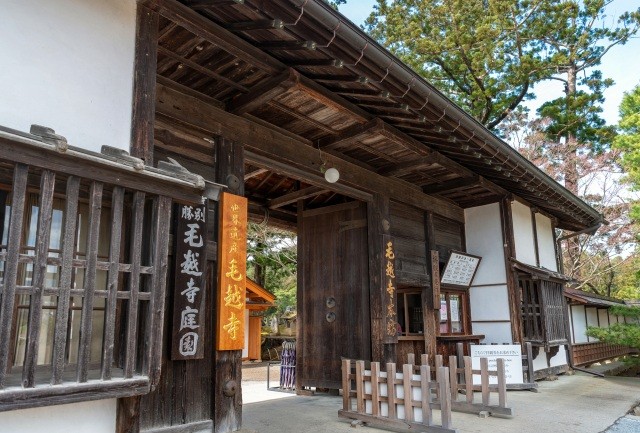
Motsuji Temple is a designated UNESCO World Cultural Heritage Site along with nearby Chusonji Temple in Hiraizumi. The beautiful Japanese garden and ancient religious buildings are officially recognised both as a historic site and as a place of exceptional scenic beauty.
The priest Ennin originally founded the temple and the construction of the temple complex was done during the 2nd and 3rd generations of Oshu Fujiwara clan.
The beautiful Japanese garden representing Buddha’s Paradise is breath-taking. Visitors can enjoy the Pure Land Garden, a popular garden style of the Heian period with its unique landscape design techniques, surrounding the central Oizumi-ga-ike pond.
The peaceful garden fascinates visitors with its beautiful seasonal flowers and is the perfect place to escape from the hustle and bustle of everyday life. Many people come here during the Iris Festival in early summer and the “Hagi” Japanese Bush Clover Festival in early autumn. For those wanting a deeper Buddhist experience, the temple offers Zen meditation sessions and Buddhist sutra transcription courses introducing participants to Japanese Buddhism.
Thanks to the flat nature of the location the temple is easily accessible. Lifts and accessible toilets are available in the temple buildings for the seniors and families with children.
A thematic journey in the Tohoku region:Okuno Hosomichi・The History of Michinoku
The priest Ennin originally founded the temple and the construction of the temple complex was done during the 2nd and 3rd generations of Oshu Fujiwara clan.
The beautiful Japanese garden representing Buddha’s Paradise is breath-taking. Visitors can enjoy the Pure Land Garden, a popular garden style of the Heian period with its unique landscape design techniques, surrounding the central Oizumi-ga-ike pond.
The peaceful garden fascinates visitors with its beautiful seasonal flowers and is the perfect place to escape from the hustle and bustle of everyday life. Many people come here during the Iris Festival in early summer and the “Hagi” Japanese Bush Clover Festival in early autumn. For those wanting a deeper Buddhist experience, the temple offers Zen meditation sessions and Buddhist sutra transcription courses introducing participants to Japanese Buddhism.
Thanks to the flat nature of the location the temple is easily accessible. Lifts and accessible toilets are available in the temple buildings for the seniors and families with children.
A thematic journey in the Tohoku region:Okuno Hosomichi・The History of Michinoku
Genbikei Gorge
Enjoy the scenic beauty of the gorge along with the local specialty “Flying Dango”!
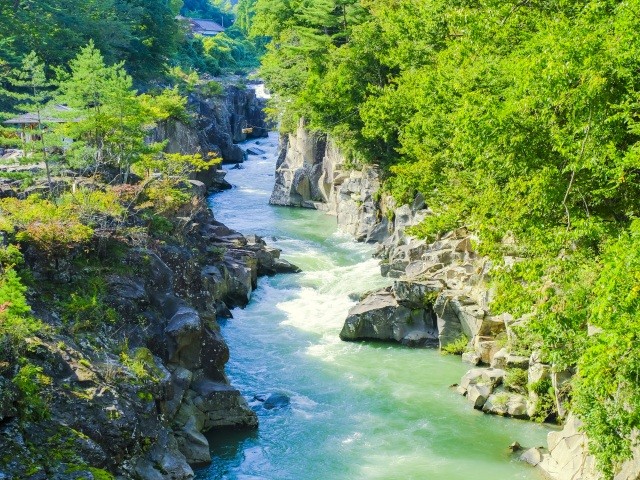
Genbikei Gorge is a beautiful 2km stretch of gorge along the Iwai River flowing from Mount Kurikoma. Visitors can enjoy the dynamic views of the waterfalls and unique rock formations created by the river’s erosion as they stroll along the riverside.
A 30-minute walking path along the slowly flowing river gives visitors a sense of the tranquil scenery of the emerald green water and its murmuring streams. While the 70-minute walking path around the rough rapids of the upper stream provides views of uniquely shaped ruts formed by pebbles whirling around in the turbulent flow of water.
Along with the breath-taking views, many people come to the gorge for the local specialty of Genbikei, the popular Flying “Kakko Dango” (sweet sticky rice balls). There is a gazebo along the gorge where visitors can place an order via a hanging basket from a quaint shop on the other side of the gorge. Place your money in the basket hanging from the cable and knock the board with the wooden hammer provided to let the shop know an order is on its way. The shop staff then pulls the basket across the gorge and send it flying back to you with a box of Dango and a cup of green tea. Be sure to have your camera ready to catch this unique experience of the Flying Dango on its zip-wire!
There is a roadside station with restaurant facilities nearby and the walking trails are well-managed with resting places along the way for the best views of the gorge. Our recommendation is to combine your visit to Genbikei with a trip to the other famous gorge nearby, Geibikei, and compare their beauty!
A thematic journey in the Tohoku region:Riverside
A 30-minute walking path along the slowly flowing river gives visitors a sense of the tranquil scenery of the emerald green water and its murmuring streams. While the 70-minute walking path around the rough rapids of the upper stream provides views of uniquely shaped ruts formed by pebbles whirling around in the turbulent flow of water.
Along with the breath-taking views, many people come to the gorge for the local specialty of Genbikei, the popular Flying “Kakko Dango” (sweet sticky rice balls). There is a gazebo along the gorge where visitors can place an order via a hanging basket from a quaint shop on the other side of the gorge. Place your money in the basket hanging from the cable and knock the board with the wooden hammer provided to let the shop know an order is on its way. The shop staff then pulls the basket across the gorge and send it flying back to you with a box of Dango and a cup of green tea. Be sure to have your camera ready to catch this unique experience of the Flying Dango on its zip-wire!
There is a roadside station with restaurant facilities nearby and the walking trails are well-managed with resting places along the way for the best views of the gorge. Our recommendation is to combine your visit to Genbikei with a trip to the other famous gorge nearby, Geibikei, and compare their beauty!
A thematic journey in the Tohoku region:Riverside
Shin-Hanamaki Station
GOAL