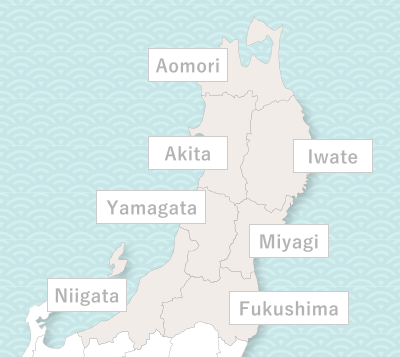
3days in Aomori, Iwate, Miyagi and Akita!
- Suggested Time : 3 days / 2 nights
- Transport Options : Drive


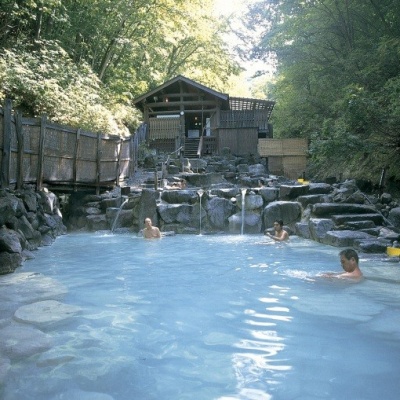
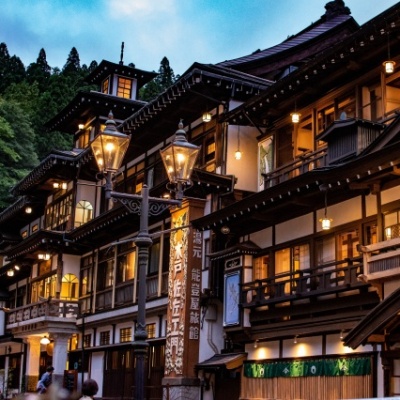
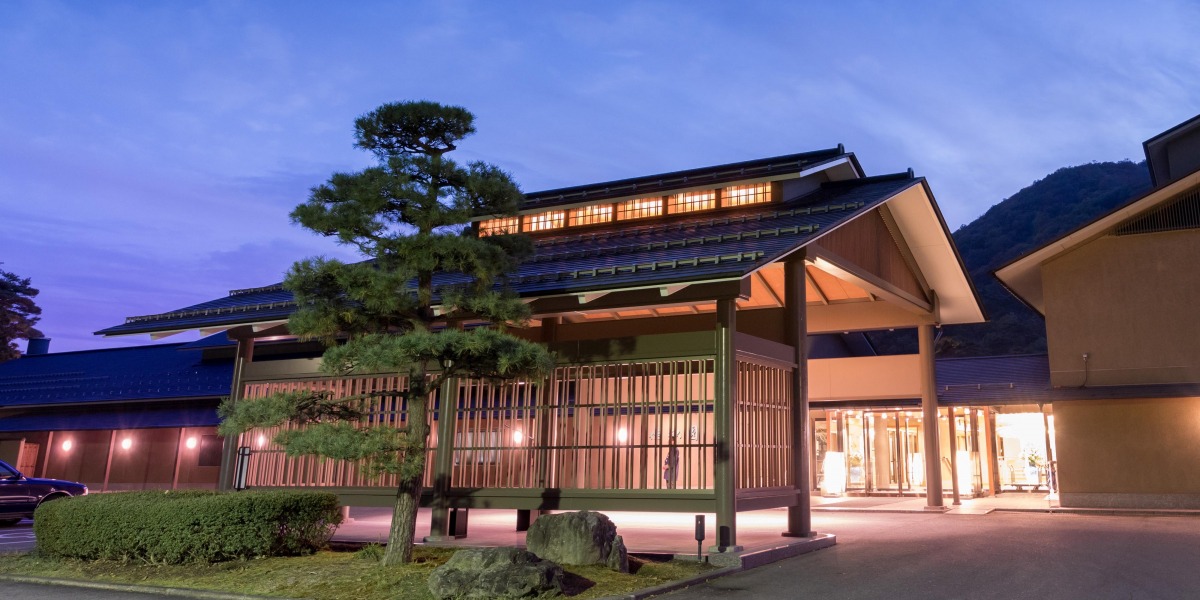
1. Stay in Hanamaki Onsen
2. Ashino Park/Tsugaru Railway experience/Hirosaki Park/Tsugaru-han Neputa Village with Kingyo neputa (goldfish lantern) painting experience
3. Kakunodate Bukeyashiki (Samurai Residences)/Learning the samurai spirit through Iaido experience
4. Koiwai Farm soft cream and gelato
5. Morioka city stroll/Wanko soba experience
6. Kitakami Tenshochi Park
7. Toyoma Education Museum
8. Hitome Senbonzakura (cherry blossoms) along Shiroishi River embankment, Shiroishi Castle/Armor wearing experience
START
Shin-Aomori / Aomori Airport
Tsugaru Railway
Japan's northernmost local line, guided by a tourist attendant in Tsugaru dialect
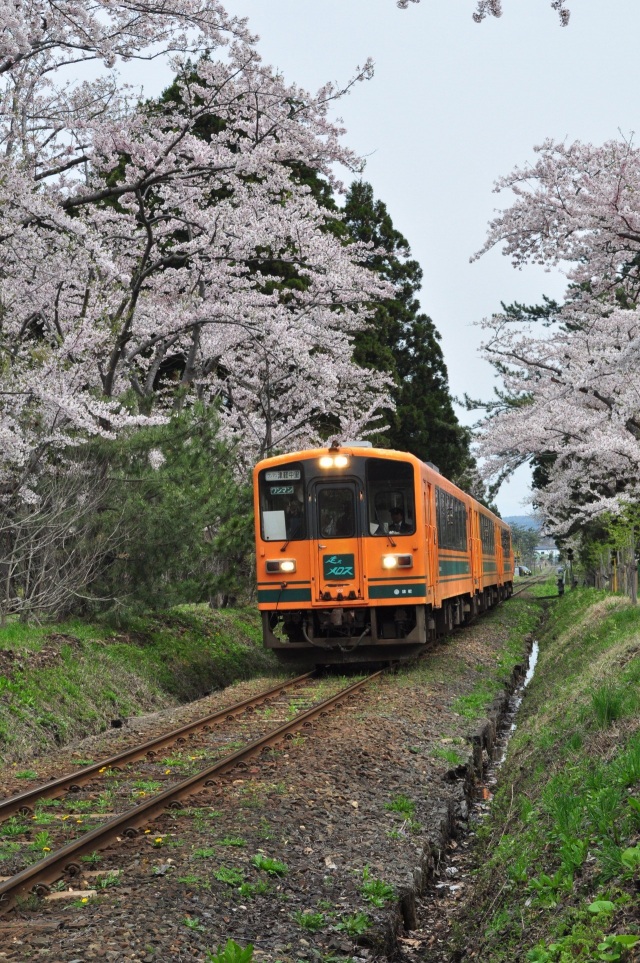
Tsugaru Railway is Japan's northernmost privately operated railway, running since 1930. It connects Tsugaru-Goshogawara Station and Tsugaru-Nakasato Station over 20.7 km in approximately 45 minutes. Tsugaru Peninsula tour attendants ride on board, providing easy-to-understand tourist information about the peninsula in the local Tsugaru dialect.【Events, etc.】① Dazai Train (Scheduled mid-June to late August)② Wind Chime Train (Scheduled July 1 - August 31): Operates with wind chimes made from the local specialty “Tsugaru Kanayama-yaki” pottery hung inside the cars.③ Dazai Bento (June - August): A bento box generously filled with ingredients Dazai Osamu loved, selected from Michiko Tsushima's (Dazai's wife) book “Memories of Dazai Osamu”.Information current as of March 24, 2020.
Painting experience of goldfish neputa, etc.
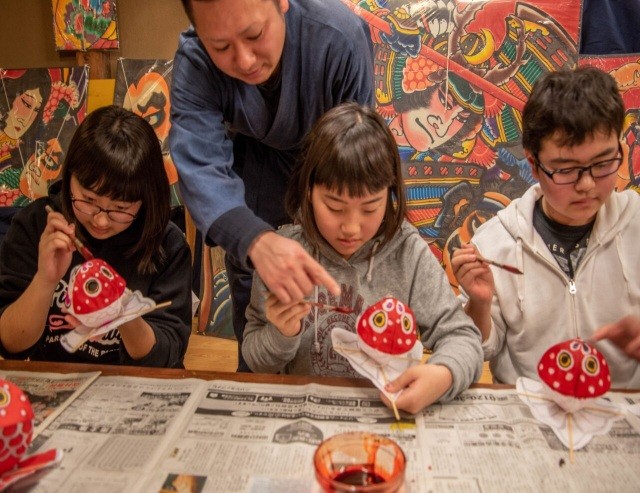
<Goldfish Neputa Painting ExperienceLet's make a goldfish neputa, a folk craft, modeled after a goldfish called Tsugaru Nishiki! You can paint the face, scales, etc. on the paper-covered goldfish neputa with sumi ink or wax to complete the process! The goldfish used as a model for the goldfish neputa is called "Tsugaru Nishiki", and like the neputa, it was made of bamboo, but nowadays it is mostly made of wire. It is widely popular as a folk craft of Tsugaru.*Age: 7 years old and up
<Tsugaru Kite Painting ExperienceLet's paint Tsugaru kites by putting Japanese paper on top of a rough sketch, directly drawing in black ink, drawing hair, and using dyes to color the kite! Please feel Aomori and Japanese culture in your daily life by decorating it in your room.*There is also a course to paste the painting on the framework and finish it as a kite!
<Wall Hanging Fan Neputa Painting ExperienceLet's make a <Wall Hanging Fan Neputa> by drawing and coloring a neputa with sumi ink or wax on a fan-shaped Japanese paper with a rough drawing on it♪ Attach a string and a wooden tag to complete the project! You can always feel Aomori by displaying it in your room.
(For larger groups, please consult with us.)
<Tsugaru Kite Painting ExperienceLet's paint Tsugaru kites by putting Japanese paper on top of a rough sketch, directly drawing in black ink, drawing hair, and using dyes to color the kite! Please feel Aomori and Japanese culture in your daily life by decorating it in your room.*There is also a course to paste the painting on the framework and finish it as a kite!
<Wall Hanging Fan Neputa Painting ExperienceLet's make a <Wall Hanging Fan Neputa> by drawing and coloring a neputa with sumi ink or wax on a fan-shaped Japanese paper with a rough drawing on it♪ Attach a string and a wooden tag to complete the project! You can always feel Aomori by displaying it in your room.
(For larger groups, please consult with us.)
Apple Pie Guide
Apple pie from Hirosaki, the largest producer in Japan.

Hirosaki is the largest producer of apples in Japan. The "king of the apple kingdom" introduces apple pies in the "city of apples." This guide publishes the 43 types of apple pies served in Hirosaki City, and stores where you can eat apple pie inside are also introduced with the "eat-in" symbol. In Hirosaki City, there are a variety of stores selling creative apple pies, including Western and Japanese sweets stores, bakeries, and cafes. The tourism concierges at the Hirosaki Municipal Tourist Center and the Hirosaki Tourist Information Center have created an apple pie guide map with apple pie information and PR comments based on their impressions from researching and tasting the products at stores selling apple pie. How about walking from store to store trying the apple pies using the guide?
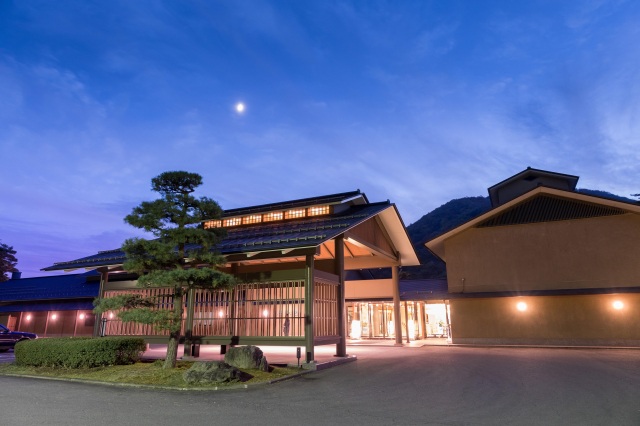
Stay in Hanamaki Onsen
Day2
Depart from accommodation
Cherry trees along the Hinokinai River embankment
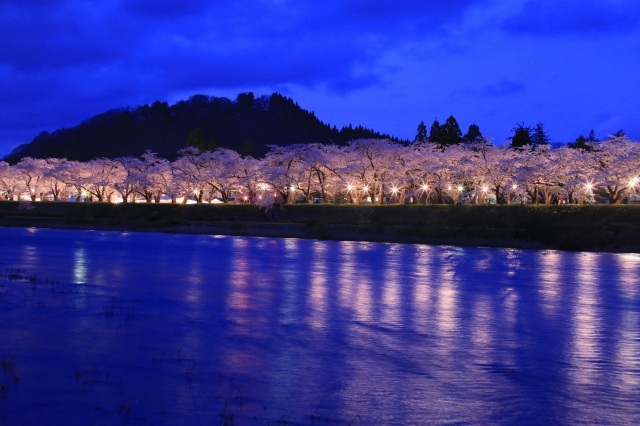
The Someiyoshino cherry trees on the banks of the Hinokinai River were planted in 1934 to commemorate the birth of His Majesty the Emperor.The 2-kilometer-long tunnel of flowers allows wandering visitors to fully enjoy the short spring season in the northern part of Japan. The night view of the cherry blossoms reflected in the clear stream is also magnificent.The Senboku City Cultural Heritage Protection Office is currently playing a central role in the management and protection of the aging trees. The more we take care of the cherry trees, the more they show their magnificent appearance and speak to people's hearts. In 1990, this area was selected as one of the 100 best cherry blossom viewing spots in Japan, along with the Buke Yashiki Street.
Kakunodate Bukeyashiki (Samurai Residences)
Travel back in time to the Edo period in the “Little Kyoto of Tohoku”!
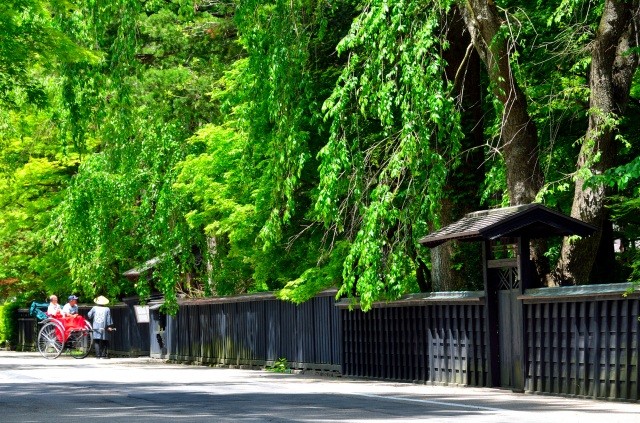
Kakunodate is a former castle town which flourished during the Edo period. Known as the “Little Kyoto of Tohoku”, the town is home to a district two-kilometres in radius consisting of samurai residences and traditional architecture popular with both domestic and international tourists. The samurai residences lining the town’s most famous street are nationally protected Traditional Buildings.
Though some of them are still functioning homes, the residences are open to the public so visitors can get a feel for the traditional samurai life. Tourists can travel back in time to the Edo period by strolling around the traditional streets in an antique Kimono from one of the rental stores in town! A rickshaw ride from the Kakunodate Denshokan Museum will enhance the experience.
The town is charming throughout the year with springtime cherry blossoms, verdant summer greens, colourful autumn leaves and snowy winter scenes. Springtime is particularly popular with people coming for cherry blossom viewing from late April to early May. The traditional district features a row of weeping cherry blossom trees whose pink flowers bloom in beautiful contrast with the black walls of samurai residences, 162 of the 400 weeping cherry trees are designated natural treasures.
The samurai district is a 15 to 20-minute walk from JR Kakunodate station. Be sure to pick up the handy map and brochures available at the tourist information centre, located in a building resembling a traditional storehouse in front of the station!
A thematic journey in the Tohoku region:Castles・SamuraiA thematic journey in the Tohoku region:Flowers
Though some of them are still functioning homes, the residences are open to the public so visitors can get a feel for the traditional samurai life. Tourists can travel back in time to the Edo period by strolling around the traditional streets in an antique Kimono from one of the rental stores in town! A rickshaw ride from the Kakunodate Denshokan Museum will enhance the experience.
The town is charming throughout the year with springtime cherry blossoms, verdant summer greens, colourful autumn leaves and snowy winter scenes. Springtime is particularly popular with people coming for cherry blossom viewing from late April to early May. The traditional district features a row of weeping cherry blossom trees whose pink flowers bloom in beautiful contrast with the black walls of samurai residences, 162 of the 400 weeping cherry trees are designated natural treasures.
The samurai district is a 15 to 20-minute walk from JR Kakunodate station. Be sure to pick up the handy map and brochures available at the tourist information centre, located in a building resembling a traditional storehouse in front of the station!
A thematic journey in the Tohoku region:Castles・SamuraiA thematic journey in the Tohoku region:Flowers
Learning the samurai spirit through Iaido experience
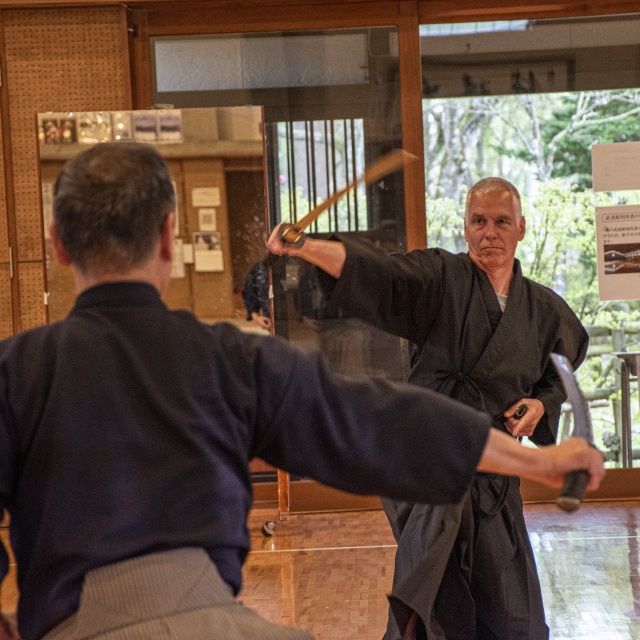
Kakunodate in Semboku City, Akita Prefecture, is home to well-preserved old structures from the castle town era, including samurai residences from the Edo period. At the martial arts hall along its samurai residence street, you can experience iaido—the art of drawing the sword—wearing a traditional gi uniform.
Your instructor is an experienced iaido master who has dedicated themselves to the practice. After a lecture by the master, you'll learn etiquette, how to handle a Japanese sword, practice kata (forms), and perform cutting exercises on mannequins. You'll gain insight into the history of Kakunodate's samurai, the martial arts traditions passed down in this region, the spiritual discipline cultivated through training, and the importance of preserving these martial arts.
Your instructor is an experienced iaido master who has dedicated themselves to the practice. After a lecture by the master, you'll learn etiquette, how to handle a Japanese sword, practice kata (forms), and perform cutting exercises on mannequins. You'll gain insight into the history of Kakunodate's samurai, the martial arts traditions passed down in this region, the spiritual discipline cultivated through training, and the importance of preserving these martial arts.
Koiwai Farm
Recharge your batteries in this massive farmland backed by stunning views of Mount Iwate!
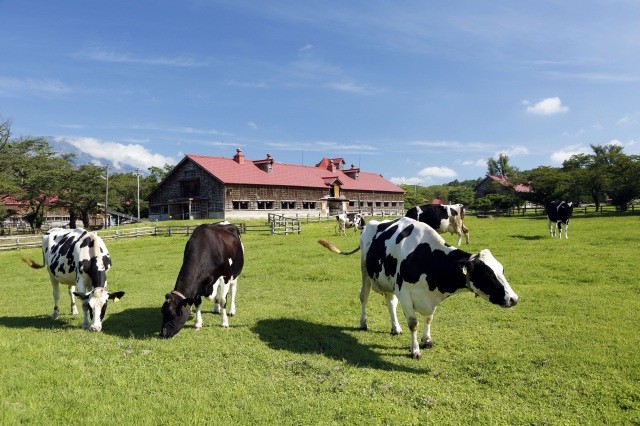
Koiwai Farm, one of the largest private integrated farms in Japan with a history of over 130 years since its establishment in 1891, has a total area of 3,000 hectares, part of which is open to the public as "Makibaen. Beyond the vast grassy plains, the majestic Mt.The farm also offers a variety of hands-on programs, including guided tours of the farm's forests, which are normally off-limits to the public.In addition, 21 buildings, including cowsheds and silos, designated as national important cultural properties, many of which are still in use today, can be viewed up close, including nine in the Kamimaru cowshed. The rest can be experienced at the Koiwai Farm Important Cultural Property Gallery, which makes full use of the latest digital technology in the park.
Food is also an important part of the Makibaen experience. Restaurants and snack stores offer dishes and sweets made with ingredients produced on the farm. Be sure to try the soft-serve ice cream made from raw milk from the Kamimaru Cowshed.
One of the largest illumination events in Tohoku is held during the winter season, offering a different view of the farm than during the daytime.
The farm is also famous for its lone cherry tree in full bloom against the backdrop of majestic Mt.
Food is also an important part of the Makibaen experience. Restaurants and snack stores offer dishes and sweets made with ingredients produced on the farm. Be sure to try the soft-serve ice cream made from raw milk from the Kamimaru Cowshed.
One of the largest illumination events in Tohoku is held during the winter season, offering a different view of the farm than during the daytime.
The farm is also famous for its lone cherry tree in full bloom against the backdrop of majestic Mt.
Wanko Soba
Traditional food culture born from the spirit of hospitality
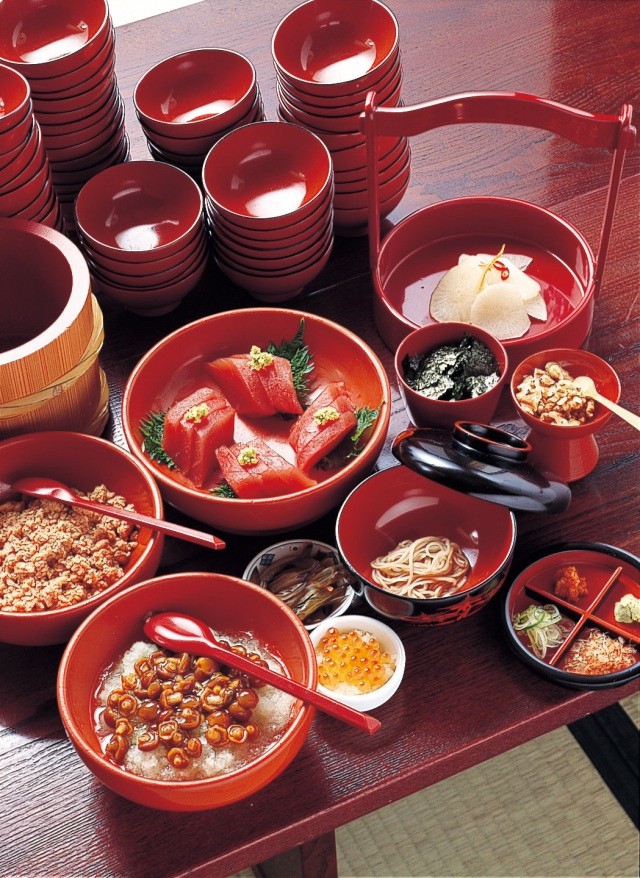
It is a culture unique to this region, born from the "spirit of hospitality" handed down from our ancestors. It is said to have been conceived to entertain a large number of guests at banquets. The dish consists of warm buckwheat noodles served in small bite-sized portions with a variety of condiments, and is served in generous portions. Although it varies from restaurant to restaurant, about 15 bowls of soba is equivalent to one bowl of regular mori-soba. Please enjoy the fun interaction with the waiter and try the unique "wanko soba" of Morioka. Advance reservations are recommended.
Wankosoba is one of the three major noodles of Morioka (wankosoba, cold noodles, and jajamen).
Wankosoba is one of the three major noodles of Morioka (wankosoba, cold noodles, and jajamen).
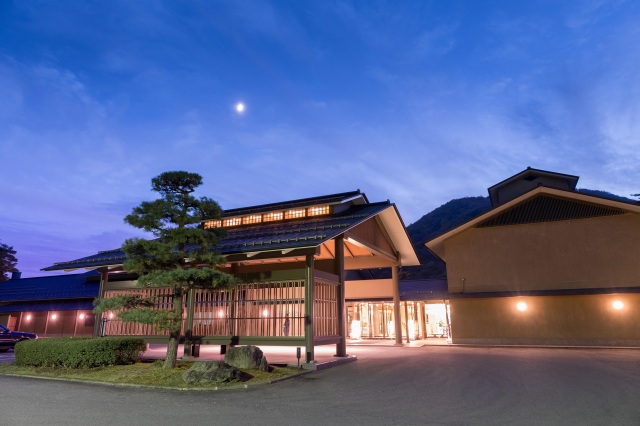
Stay in Hanamaki Onsen
Day3
Depart from accommodation
Kitakami Tenshochi Park
One of Michinoku's three most famous cherry blossom viewing spots A base for sightseeing in Kitakami, surrounded by nature
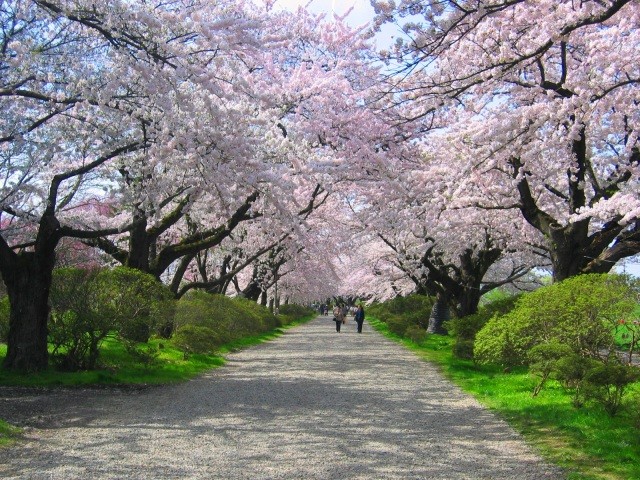
Kitakami Tenshochi Park is located on the banks of the Kitakami River.
It is known as one of the best cherry blossom viewing spots in the Tohoku region, and is listed among the “100 Best Cherry Blossom Viewing Spots” and “Michinoku's Three Best Cherry Blossom Viewing Spots.Blessed with abundant trees and scenery, visitors can enjoy walking in all four seasons, from cherry blossoms and azaleas in spring to hydrangeas in early summer and autumn leaves in fall.The more you walk, the more new attractions you will encounter at the Kitakami Tenshochi Park.
★What is the “Kitakami Tenshochi Park Cherry Blossom Festival”?The “Kitakami Tenshochi Park Cherry Blossom Festival” is held every year from mid to late April and attracts many visitors from all over Japan.During the festival, bright carp streamers swim above the Kitakami River, and nostalgic sightseeing carriages run along the cherry trees in full bloom.At night, the beautifully illuminated rows of cherry trees are reflected on the surface of the river.
★Enjoy walking in the rich natural surroundings! Scenic SpotsKitakami Tenshochi Park(Kitakami Municipal Park Exhibition Site), located on the banks of the flowing Kitakami River, is known as one of the best cherry blossom viewing spots in Tohoku and is one of the “100 best cherry blossom viewing spots” and the “three best cherry blossom viewing spots in Michinoku.In addition to the rows of cherry trees stretching 2 km from the Coral Bridge, there are approximately 10,000 cherry trees of about 150 different varieties in the park.
The cherry blossoms compete in beauty from someiyoshino, which usually begin blooming around mid-April, to kasumizakura, which blooms in early May.
★Exhibition Site: Origin of the NameThe “Tenshochi Park” was first planned in 1920 by the Waga Exhibition Association, founded by Koji Sawato, the future mayor of Kurosawajiri, and opened in 1921 with the planting of cherry trees.Although the area was damaged by the flooding of the Kitakami River, it has become a famous cherry blossom viewing spot thanks to the support of local residents over the past 90 years.The name “Tenshochi Park” comes from the fact that Mr. Akira Kazami, a close friend of Mr. Sawato (later Minister of Justice), named the business group “Exhibition Association” and the view from Jingaoka is spectacular,It is said that the name “Jingaoka” means “place of scenic beauty and beauty with a fine view” because of the great view from Jingaoka.
*Please note that the use of fire is prohibited in the park.
It is known as one of the best cherry blossom viewing spots in the Tohoku region, and is listed among the “100 Best Cherry Blossom Viewing Spots” and “Michinoku's Three Best Cherry Blossom Viewing Spots.Blessed with abundant trees and scenery, visitors can enjoy walking in all four seasons, from cherry blossoms and azaleas in spring to hydrangeas in early summer and autumn leaves in fall.The more you walk, the more new attractions you will encounter at the Kitakami Tenshochi Park.
★What is the “Kitakami Tenshochi Park Cherry Blossom Festival”?The “Kitakami Tenshochi Park Cherry Blossom Festival” is held every year from mid to late April and attracts many visitors from all over Japan.During the festival, bright carp streamers swim above the Kitakami River, and nostalgic sightseeing carriages run along the cherry trees in full bloom.At night, the beautifully illuminated rows of cherry trees are reflected on the surface of the river.
★Enjoy walking in the rich natural surroundings! Scenic SpotsKitakami Tenshochi Park(Kitakami Municipal Park Exhibition Site), located on the banks of the flowing Kitakami River, is known as one of the best cherry blossom viewing spots in Tohoku and is one of the “100 best cherry blossom viewing spots” and the “three best cherry blossom viewing spots in Michinoku.In addition to the rows of cherry trees stretching 2 km from the Coral Bridge, there are approximately 10,000 cherry trees of about 150 different varieties in the park.
The cherry blossoms compete in beauty from someiyoshino, which usually begin blooming around mid-April, to kasumizakura, which blooms in early May.
★Exhibition Site: Origin of the NameThe “Tenshochi Park” was first planned in 1920 by the Waga Exhibition Association, founded by Koji Sawato, the future mayor of Kurosawajiri, and opened in 1921 with the planting of cherry trees.Although the area was damaged by the flooding of the Kitakami River, it has become a famous cherry blossom viewing spot thanks to the support of local residents over the past 90 years.The name “Tenshochi Park” comes from the fact that Mr. Akira Kazami, a close friend of Mr. Sawato (later Minister of Justice), named the business group “Exhibition Association” and the view from Jingaoka is spectacular,It is said that the name “Jingaoka” means “place of scenic beauty and beauty with a fine view” because of the great view from Jingaoka.
*Please note that the use of fire is prohibited in the park.
Toyoma Education Museum (Former Toyoma Jinjo Elementary School)
Why don't you take a trip back in time to the Meiji period?
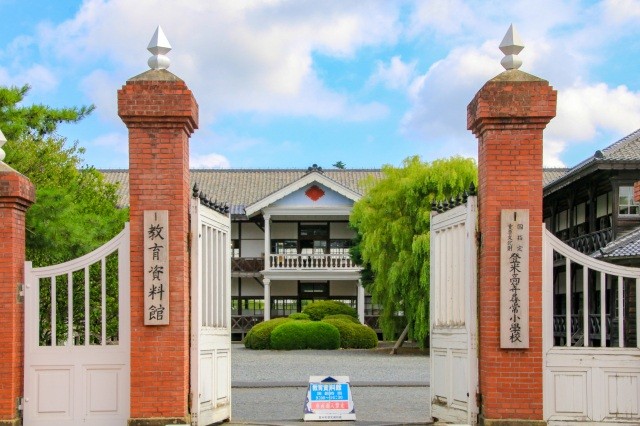
Toyoma is also called the ""Meiji Village of Miyagi."" That is because it is located in Miyagi Prefecture and because its streets remind us of the Meiji period (1868 to 1912).
A river runs through the center of the town with mountains to the east and a rich rural district extending out to the west. Buildings that remind us of the Meiji period are preserved in the town surrounded by natural scenery typical of the countryside. These include stylish Western-style buildings (e.g., the Education Museum and the Police Museum), the Mizusawa Prefecture Memorial Hall established at the time of the abolition of the feudal domains and the establishment of prefectures in Japan, and stately warehouse style stores. Moreover, if you go down the side streets, you will find samurai residences and other historic sites from the time of feudal domains in Japan remaining. These convey the vestiges of those times to the present day.
It is convenient to use the Toyama Tourism and Local Produce Center: Toyama no Sato as a base for sightseeing to see each museum. There is a tourist information center in the facility, so you can purchase tickets to each museum in the Meiji Village of Miyagi. You can also rent a multilingual voice sightseeing guide pen for free. This will allow you to listen to information on each tourist spot in Tome. Seven languages are available: in addition to Japanese, you can listen in English, Korean, Chinese, French, German and Spanish. We recommend renting a bicycle to tour around at the Mizusawa Prefecture Memorial Hall which is two minutes on foot from there.
You can enjoy an experience wearing stylish clothing at the Education Museum. You will wear Japanese clothing influenced by Western culture. You can then take a photograph in front of the retro building which blends Japanese and Western styles. That will be a great memento of your trp. This experience is offered on an irregular basis, so contact the facility in advance.
A river runs through the center of the town with mountains to the east and a rich rural district extending out to the west. Buildings that remind us of the Meiji period are preserved in the town surrounded by natural scenery typical of the countryside. These include stylish Western-style buildings (e.g., the Education Museum and the Police Museum), the Mizusawa Prefecture Memorial Hall established at the time of the abolition of the feudal domains and the establishment of prefectures in Japan, and stately warehouse style stores. Moreover, if you go down the side streets, you will find samurai residences and other historic sites from the time of feudal domains in Japan remaining. These convey the vestiges of those times to the present day.
It is convenient to use the Toyama Tourism and Local Produce Center: Toyama no Sato as a base for sightseeing to see each museum. There is a tourist information center in the facility, so you can purchase tickets to each museum in the Meiji Village of Miyagi. You can also rent a multilingual voice sightseeing guide pen for free. This will allow you to listen to information on each tourist spot in Tome. Seven languages are available: in addition to Japanese, you can listen in English, Korean, Chinese, French, German and Spanish. We recommend renting a bicycle to tour around at the Mizusawa Prefecture Memorial Hall which is two minutes on foot from there.
You can enjoy an experience wearing stylish clothing at the Education Museum. You will wear Japanese clothing influenced by Western culture. You can then take a photograph in front of the retro building which blends Japanese and Western styles. That will be a great memento of your trp. This experience is offered on an irregular basis, so contact the facility in advance.
Hitome Senbonzakura (View of a Thousand Cherry Trees) along the Shiroishi Riverbank
One of the best place to see cherry blossoms in Miyagi
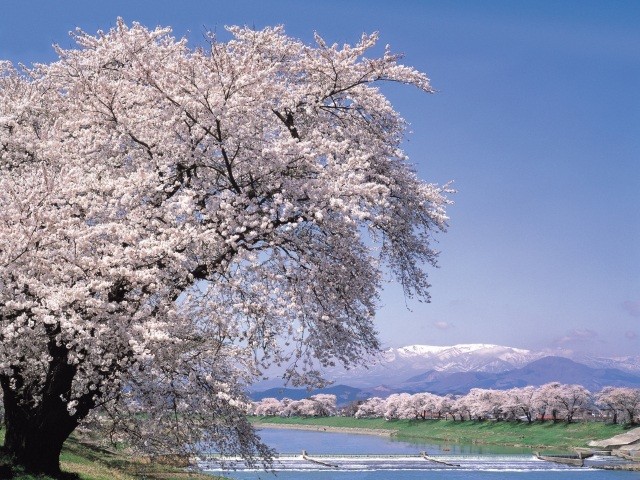
Along the Shiroishi River, which flows through Ogawara Town, is the Hitome Senbonzakura, literally translated as a "view of a thousand cherry trees," which continues for about eight kilometers up to the neighboring town of Shibata. The "sakura tunnel" of about 1,200 cherry trees here is over 90 years old. During the cherry blossom season (early to mid April), the view of snow-covered peaks of the Zao Mountain range and many cherry trees in full bloom are reflected in the clear river, creating exquisite harmony. The town has been certified as one of the 100 best places to view cherry blossoms by the Japan Cherry Blossom Association and as one of the 100 best places to walk and see cherry blossoms by the Yomiuri Shimbun newspaper. Today, the town attracts many people from all over Japan as well as from the town who want to enjoy the cherry blossoms.
Be a SAMURAI
Wear samurai armor and helmet replicas at Shiroishi Castle in Shiroishi, Miyagi Prefecture! Create memories with family, friends, and partner!
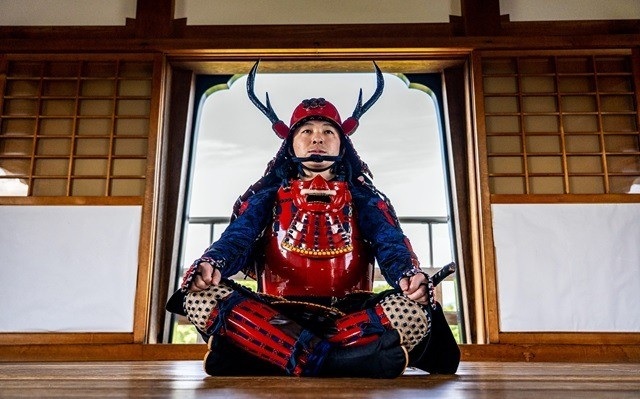
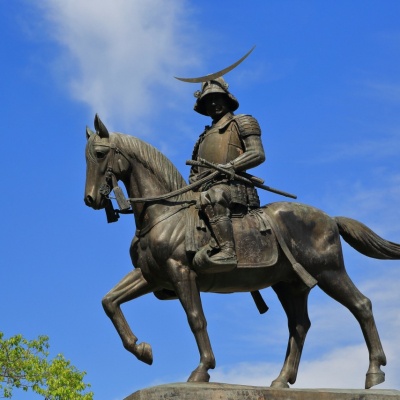
Experience authentic armor at Shiroishi Castle, one of only five restored wooden castles in Japan.Wear heavy armor carefully crafted by armor craftsmen. You can choose from the armor of Date Masamune, Katakura Kojuro, and Sanada Yukimura.Feel the weight and power of history and the extraordinary experience of being a “Warlord of the Warring States” with your whole body.
Sendai Station / Sendai Airport
GOAL