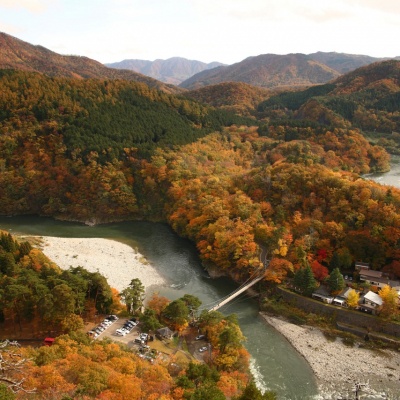
【Adventure Travel】4 Days / 3 Nights Experiencing the Nature, Culture & Cuisine of Northern Tohoku(Aomori, Iwate & Akita)
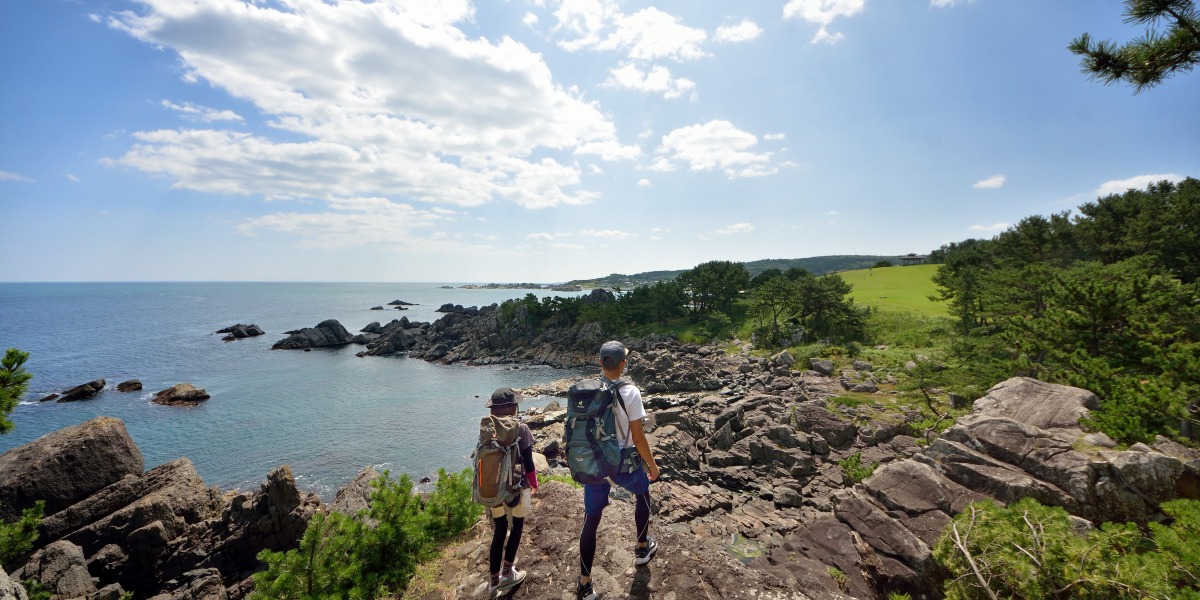
- Suggested Time : 4 days / 3 nights
- Transport Options : Shinkansen, Train, Bus, and On Foot
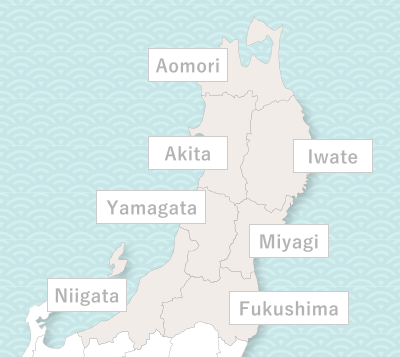


Experience dynamic landscapes shaped by sea, as you walk along Cape Tanesashi. Step into tranquil community and experience a local way of life!
Walking the Land of Ocean Breezes— Cape Tanesashi & the Michinoku Coastal Trail with Views of the Pacific —
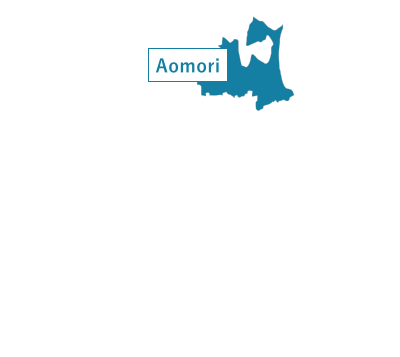
This is a 3-night, 4-day itinerary to explore Aomori, Iwate, and Akita Prefectures.
*Main Activity: Michinoku Coastal Trail
<DAY1>Hachinohe City: Michinoku Shiokaze Trail, Hachinohe Alley / Accommodation: Hachinohe City
<DAY2>Hachimantai City: E-Bike Cycling / Accommodation: Hachimantai City
<DAY3>Morioka City: Wanko Soba Experience, Walking Tour of Morioka City, Nambu tetsubin Factory Visit / Accommodation: Senboku City
<DAY4>Senboku City: Visit to Kakunodate Samurai Residences
START
Day1
10:00-11:00 Depart from JR Tokyo Station to JR Hachinohe Station [Shinkansen:About 2 hours and 50 minutes]
11:00-12:00 Depart from JR Sendai Station to JR Hachinohe Station [Shinkansen:About 1 hour and 10 minutes]
From JR Hachinohe station to JR Same station [Train:About 45minutes]
From JR Same Station to Kabushima Shrine [On Foot:About 15 minutes]
Michinoku Shiokaze Trail Hachinohe City section
Michinoku Shiokaze Trail Hachinohe City section
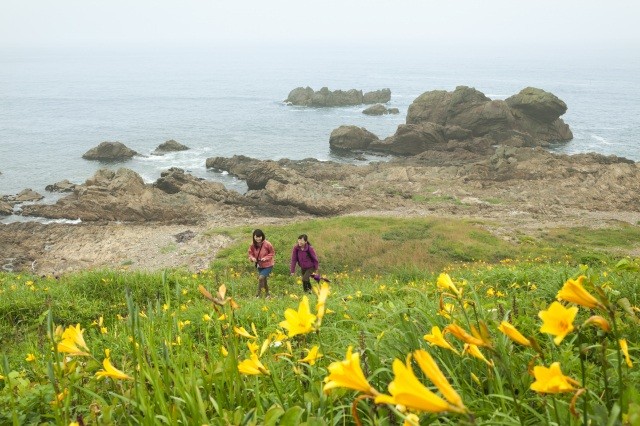
Passing along the shores of flowers, the trail takes you through a thousand different types of coastal scenery.The Michinoku Shiokaze Trail is a long trail that connects the 1,000-km Pacific Ocean coast from Hachinohe City, Aomori Prefecture to Soma City, Fukushima Prefecture.Its greatest attraction is the abundance of spots where visitors can experience the dynamic seascape.Along the route, there are the most beautiful cliffs in Japan, the unique scenery of the Rias coast, the world's three major fishing grounds rich in bounty, people's lives, culture and history, natural threats, and inherited food culture, and you can also enjoy the human interaction that is created while walking along the trail.As you continue through the overwhelming beauty of nature, swaying in the sea breeze, you will experience an unforgettable sensation.
≪Hachinohe City RouteThis is a trail course that takes you to the Tanezaki Coast, which is said to be one of the most scenic treasures in the Sanriku Fukko National Park.The coastal scenery, from rugged reefs to white sand and green pines, is impressive and changes as you walk.The sea breeze that shakes the wildflowers invites you to follow the gentle path, and your day begins as if you are encountering a lifetime's worth of beauty.
*Day trip model course Total distance: 11.3 km / Time required: approx. 4 hoursSame Station (JR Hachinohe Station) → Kabura-shima (Kabura-shima Shrine) → Ashimozaki Observatory/Horonbairu → Nakasuga → Osuga Beach → Yodo no Matsubara → Tanezashi natural grassland → Tanezashi Coast Information Center → Takaiwa Observatory → Okuki Station (JR Hachinohe Line)
*This information is current as of February 29, 2020.
≪Hachinohe City RouteThis is a trail course that takes you to the Tanezaki Coast, which is said to be one of the most scenic treasures in the Sanriku Fukko National Park.The coastal scenery, from rugged reefs to white sand and green pines, is impressive and changes as you walk.The sea breeze that shakes the wildflowers invites you to follow the gentle path, and your day begins as if you are encountering a lifetime's worth of beauty.
*Day trip model course Total distance: 11.3 km / Time required: approx. 4 hoursSame Station (JR Hachinohe Station) → Kabura-shima (Kabura-shima Shrine) → Ashimozaki Observatory/Horonbairu → Nakasuga → Osuga Beach → Yodo no Matsubara → Tanezashi natural grassland → Tanezashi Coast Information Center → Takaiwa Observatory → Okuki Station (JR Hachinohe Line)
*This information is current as of February 29, 2020.
From JR Tanesashi Kaigan Station to JR Hon-Hachinohe Station [Train:About 25minutes]
From JR Hon-Hachinohe Station to Accommodation [On Foot: About 10 Minutes]
Stay in Hachinohe City
From Accommodation to Hachinohe Alley [On Foot: About 5 Minutes]
Hachinohe Alley
The famous Yokocho group is a theme park for adults!
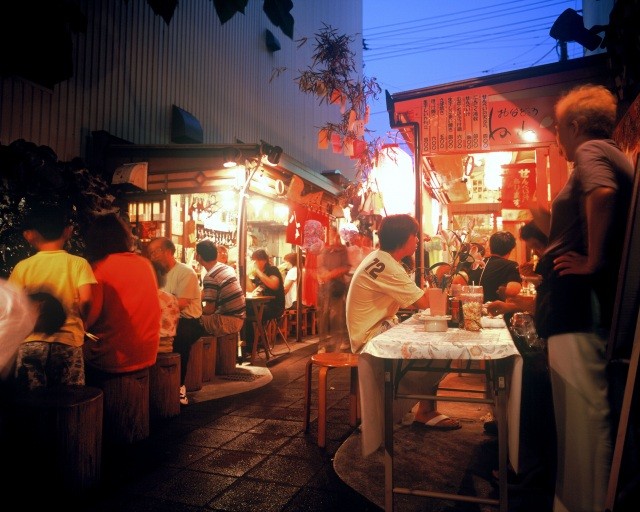
There are eight quaint yokochoes in the central city of Hachinohe, ranging from quaint alleys that have existed since the 1945s to newer eating and drinking districts that extend to the upper floors of buildings. These side streets are all within walking distance of each other, and visitors can enjoy a back-alley sake tasting experience that is like stepping back in time to the Showa period, in search of local cuisine using seasonal ingredients and a variety of locally brewed sake.
Day2
From Accommodation to JR Hon-Hachinohe Station [On Foot: About 10 Minutes]
From JR Hon-Hachinohe Station to JR Hachinohe Station [Train: About 30 Minutes]
From JR Hachinohe Station to JR Morioka Station [Shinkansen: About 30 Minutes]
From JR Morioka Station to Hachimantai Mountain Hotel [Bus: About 1 Hour and 20 Minutes]
Explore Hachimantai: E-Biking Tour
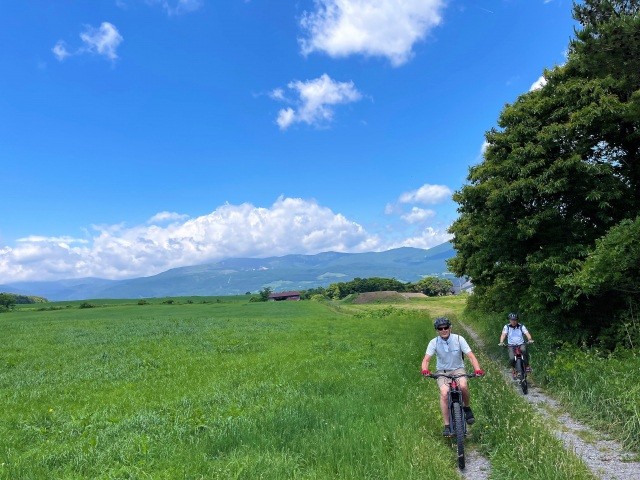
Embark on an exciting tour using the latest E-Bikes! E-bikes, or in this case electronic mountain bikes, are bicycles combining the rugged capabilities of a mountain bike with a high-performance electric motor to provide motive assistance. The result is that even the roughest terrain becomes a breeze to traverse, no matter what your fitness level is! That’s the beauty of E-bikes.
This tour will take you to several must-see spots around Hachimantai, all while letting you take in gorgeous views of Mt. Iwate. These include sprawling green pastures that stack up even to Hokkaido, the scenic Panorama Line road, mystical forest paths along Mt. Iwate’s slopes, the Matsukawa Gorge, the Kanazawa Shimizu spring, the Yakehashiri Lava Flow (a specially designated natural monument), and a stop for lunch in Hachimantai’s hidden eatery in the woods, Mori-no-Italian. Your guide, certified by the Professional Mountain Bike Instructor Association, will be there to support you every step of the way.
Whether it’s in the viridian green of June or the autumn gradients of October, you’ll have a great time.※Due to limitations on available bike sizes, all participants must be at least 150cm in height.※No experience with mountain biking is necessary, and participants of all fitness levels may apply.※To reserve online, please click here (Link to reservation form on official homepage)
This tour will take you to several must-see spots around Hachimantai, all while letting you take in gorgeous views of Mt. Iwate. These include sprawling green pastures that stack up even to Hokkaido, the scenic Panorama Line road, mystical forest paths along Mt. Iwate’s slopes, the Matsukawa Gorge, the Kanazawa Shimizu spring, the Yakehashiri Lava Flow (a specially designated natural monument), and a stop for lunch in Hachimantai’s hidden eatery in the woods, Mori-no-Italian. Your guide, certified by the Professional Mountain Bike Instructor Association, will be there to support you every step of the way.
Whether it’s in the viridian green of June or the autumn gradients of October, you’ll have a great time.※Due to limitations on available bike sizes, all participants must be at least 150cm in height.※No experience with mountain biking is necessary, and participants of all fitness levels may apply.※To reserve online, please click here (Link to reservation form on official homepage)
Stay in Hachimantai
Day3
From Accommodation to JR Morioka Station [Bus: About 1 Hour and 35 Minutes]
Morioka City Walking Tour
Morioka Central Circulation Bus Dendenmushi
People, Town, and Environment Friendly
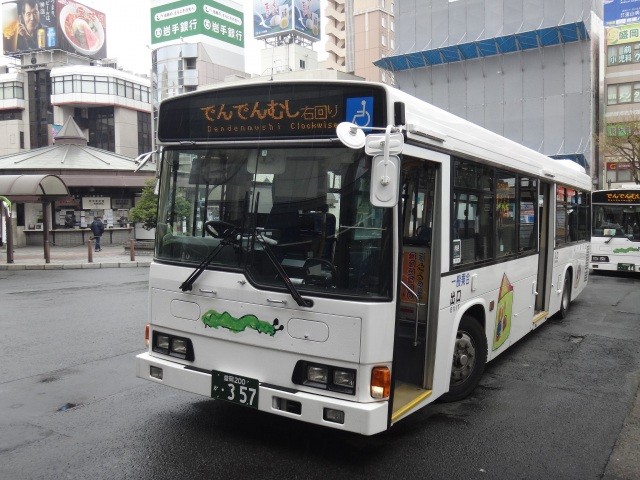
The Morioka City Center Line operates daily from 9:00 AM to 4:05 PM at 20-minute intervals. A single ride costs 120 yen (children 60 yen) regardless of where you board or alight. The one-day unlimited pass allows unlimited rides on the line throughout the day of purchase, regardless of distance. With numerous tourist attractions and educational field trip destinations scattered along the route, it is recommended as a means of transportation for sightseeing and educational travel.
Translated with DeepL.com (free version)The Morioka City Center Line operates daily from 9:00 AM to 4:05 PM, with trains running every 20 minutes. A single ride costs 150 yen (children 80 yen) regardless of where you board or alight.The 1-Day Free Pass allows unlimited rides on the line throughout the day of purchase, regardless of distance. With numerous tourist attractions and educational field trip destinations scattered along the route, it is recommended as a means of transportation for sightseeing and educational travel.
Translated with DeepL.com (free version)
Wanko Soba
Traditional food culture born from the spirit of hospitality
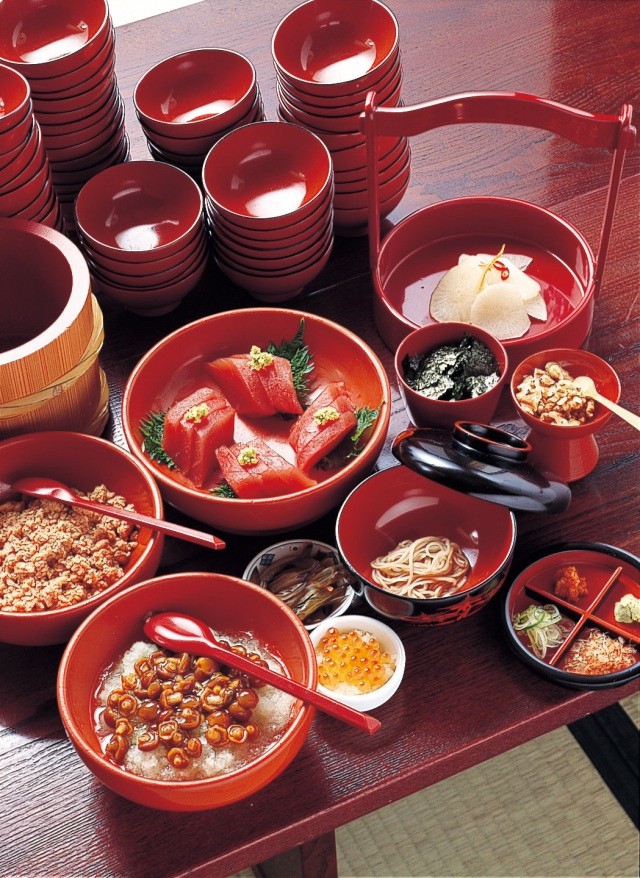
It is a culture unique to this region, born from the "spirit of hospitality" handed down from our ancestors. It is said to have been conceived to entertain a large number of guests at banquets. The dish consists of warm buckwheat noodles served in small bite-sized portions with a variety of condiments, and is served in generous portions. Although it varies from restaurant to restaurant, about 15 bowls of soba is equivalent to one bowl of regular mori-soba. Please enjoy the fun interaction with the waiter and try the unique "wanko soba" of Morioka. Advance reservations are recommended.
Wankosoba is one of the three major noodles of Morioka (wankosoba, cold noodles, and jajamen).
Wankosoba is one of the three major noodles of Morioka (wankosoba, cold noodles, and jajamen).
Starting from JR Morioka Station [Bus: About 15 Minutes]
Bank of Iwate Red Brick Building
Elegant red brick architecture that is a Morioka landmark
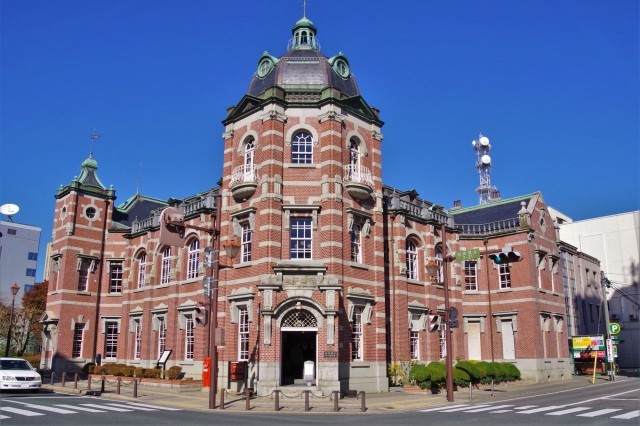
The Bank of Iwate Red Brick Building was built in 1911 as the head office for Morioka Bank. Designed by the Tatsuno-Kasai Architectural Design Office that designed Tokyo Station, this is the only architectural design by Kingo Tatsuno remaining in the Tohoku region. The building is designated as an Important Cultural Property. It is a dignified building with an elegant red brick face and a high ceiling that makes the inside feel open. It shows off the characteristic Western-style architecture of the time.
There are two zones in the building, the free Bank of Iwate zone and the paid admission Morioka Bank zone. The free zone features a multipurpose hall and a library lounge that introduces the history of Morioka's industry and commerce. The paid admission zone has a reception room and the vault used since the bank opened for business. There is also a corner that introduces the financial history of Iwate Prefecture and a theatre that shows the history and structure of the building in video.
There are two zones in the building, the free Bank of Iwate zone and the paid admission Morioka Bank zone. The free zone features a multipurpose hall and a library lounge that introduces the history of Morioka's industry and commerce. The paid admission zone has a reception room and the vault used since the bank opened for business. There is also a corner that introduces the financial history of Iwate Prefecture and a theatre that shows the history and structure of the building in video.
From Bank of Iwate Red Brick Building to Morioka History and Culture Museum [On foot: About 5 Minutes]
Morioka History and Culture Museum
Get to know all about Morioka in just 1 hour! Combine a visit to the museum to the ruins of Morioka Castle
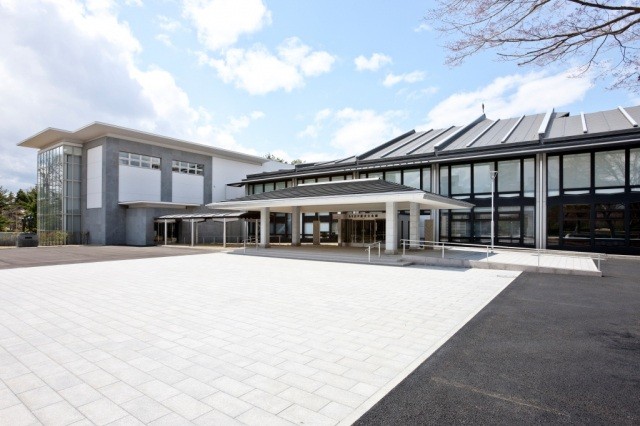
The distinctively designed building on the corner of Morioka Castle Ruins Park (Iwate Park) is the Morioka History and Culture Museum. The museum is an extension to the former Iwate Prefectural Library, designed by globally renowned architect Kiyonori Kikutake. This historic building is home to a wealth of information about Morioka’s culture. It’s a perfect spot to start if you’re a beginner when it comes to tourism in Morioka.
On the first floor you will find introductions to and sales of special Morioka products, and also lots of seasonal tourist information. There are models depicting the two major events of Iwate Prefecture, the Chagu Chagu Umakko Festival and Morioka Sansa Odori Festival, and the highlight is a 9m tall Dashi (festival float)! Why not take a photo or selfie with these impressive exhibits? On the second floor you will find exhibits relating to the history of the Morioka feudal domain and treasures of the Nanbu Clan.
There are also events and workshops that you can join on the day of your visit without a reservation, guaranteeing an interesting and interactive experience.
At the end of your visit try a cup of matcha green tea at Café Kozukata. The views over the castle ruins only enhance the delicious flavour of the matcha, making it a unique experience.
A thematic journey in the Tohoku region:Castles・Samurai
On the first floor you will find introductions to and sales of special Morioka products, and also lots of seasonal tourist information. There are models depicting the two major events of Iwate Prefecture, the Chagu Chagu Umakko Festival and Morioka Sansa Odori Festival, and the highlight is a 9m tall Dashi (festival float)! Why not take a photo or selfie with these impressive exhibits? On the second floor you will find exhibits relating to the history of the Morioka feudal domain and treasures of the Nanbu Clan.
There are also events and workshops that you can join on the day of your visit without a reservation, guaranteeing an interesting and interactive experience.
At the end of your visit try a cup of matcha green tea at Café Kozukata. The views over the castle ruins only enhance the delicious flavour of the matcha, making it a unique experience.
A thematic journey in the Tohoku region:Castles・Samurai
From Morioka History and Culture Museum to Iwachu Ironware Museum [Bus: About 20 Minutes]
Iwachu Ironware Museum
Visitors can observe the manufacturing process of Nambu tetsubin, a traditional handicraft. Enjoy shopping at our well-stocked store.
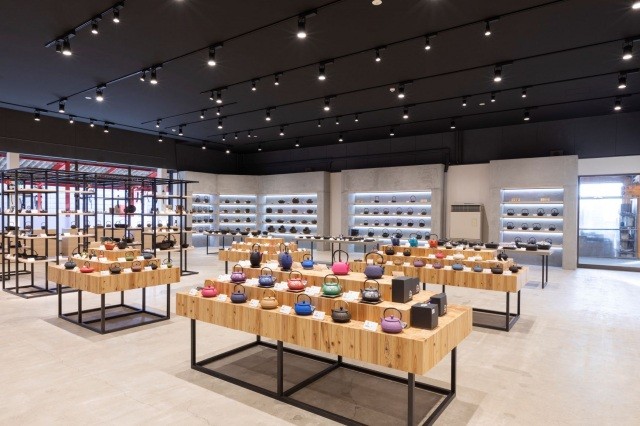
A theme park-type factory where visitors can see the craftsmanship of potters up close.Don't miss the ironware gallery, which boasts the largest selection of ironware in the prefecture.Nambu ironware is produced through many processes and human hands.The Nambu Tekki Gallery is a facility where visitors can see the manufacturing process of ironware up close.After admiring the dynamic and delicate world of manufacturing, such as casting and lacquer coloringAfter admiring the dynamic and delicate world of manufacturing, such as casting and lacquer coloring, visitors can visit the exhibition gallery, which boasts the largest selection of ironware in the prefecture.The staff, who are well versed in the manufacturing process and usage of ironware, will be happy to assist you with any questions you may have about ironware.Based on a tradition of over 400 years, new forms are being created every day.Come and experience the past, present, and future of Nambu ironware.
From Iwachu Ironware Museum to JR Morioka Station [Bus: About 30 Minutes]
From JR Morioka Station to JR Kakunodate Station [Shinkansen: About 1 Hour]
Stay in Kakunodate
Day4
From Accommodation to Kakunodate Bukeyashiki [On foot: About 5 Minutes]
Kakunodate Bukeyashiki (Samurai Residences)
Travel back in time to the Edo period in the “Little Kyoto of Tohoku”!
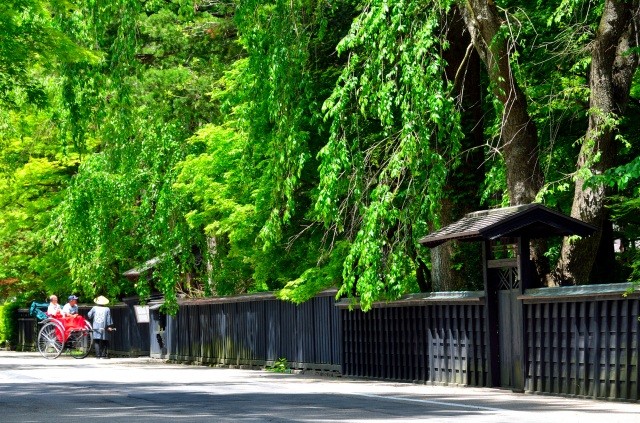
Kakunodate is a former castle town which flourished during the Edo period. Known as the “Little Kyoto of Tohoku”, the town is home to a district two-kilometres in radius consisting of samurai residences and traditional architecture popular with both domestic and international tourists. The samurai residences lining the town’s most famous street are nationally protected Traditional Buildings.
Though some of them are still functioning homes, the residences are open to the public so visitors can get a feel for the traditional samurai life. Tourists can travel back in time to the Edo period by strolling around the traditional streets in an antique Kimono from one of the rental stores in town! A rickshaw ride from the Kakunodate Denshokan Museum will enhance the experience.
The town is charming throughout the year with springtime cherry blossoms, verdant summer greens, colourful autumn leaves and snowy winter scenes. Springtime is particularly popular with people coming for cherry blossom viewing from late April to early May. The traditional district features a row of weeping cherry blossom trees whose pink flowers bloom in beautiful contrast with the black walls of samurai residences, 162 of the 400 weeping cherry trees are designated natural treasures.
The samurai district is a 15 to 20-minute walk from JR Kakunodate station. Be sure to pick up the handy map and brochures available at the tourist information centre, located in a building resembling a traditional storehouse in front of the station!
A thematic journey in the Tohoku region:Castles・SamuraiA thematic journey in the Tohoku region:Flowers
Though some of them are still functioning homes, the residences are open to the public so visitors can get a feel for the traditional samurai life. Tourists can travel back in time to the Edo period by strolling around the traditional streets in an antique Kimono from one of the rental stores in town! A rickshaw ride from the Kakunodate Denshokan Museum will enhance the experience.
The town is charming throughout the year with springtime cherry blossoms, verdant summer greens, colourful autumn leaves and snowy winter scenes. Springtime is particularly popular with people coming for cherry blossom viewing from late April to early May. The traditional district features a row of weeping cherry blossom trees whose pink flowers bloom in beautiful contrast with the black walls of samurai residences, 162 of the 400 weeping cherry trees are designated natural treasures.
The samurai district is a 15 to 20-minute walk from JR Kakunodate station. Be sure to pick up the handy map and brochures available at the tourist information centre, located in a building resembling a traditional storehouse in front of the station!
A thematic journey in the Tohoku region:Castles・SamuraiA thematic journey in the Tohoku region:Flowers
From Kakunodate Bukeyashiki to JR Kakunodate Station [On foot: About 10 Minutes]
Disbanding at JR Kakunodate Station
12:00-13:00 Depart from JR Kakunodate Station
GOAL