Summer in Tohoku, Japan: Four Mystical Landscapes to Stir Your Soul
Summer in Tohoku is a treasure trove of mystical landscapes, where dramatic natural sculpture intersects with Japan's ancient spiritual traditions.
Hotokegaura (Aomori): Pale, otherworldly rock formations rise from an emerald sea with the solemn grandeur of a cathedral crafted by nature.
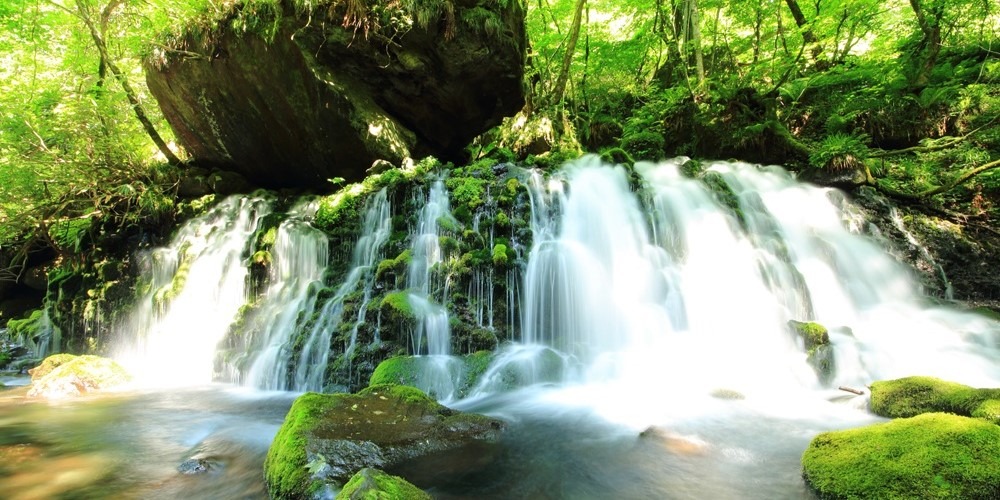
Mototaki Fukuryusui Underflow (Mototaki Waterfall, Akita): A wondrous, spring-fed marvel with no river feeding it from above. Ice-cold waters burst directly through moss-covered cliffs, radiating a pure sense of cool summer refreshment.
Jodogahama Beach (Iwate): True to its name, “Pure Land Beach,” this coast frames white rock, green pines, and blue sea like a classic Japanese landscape painting.
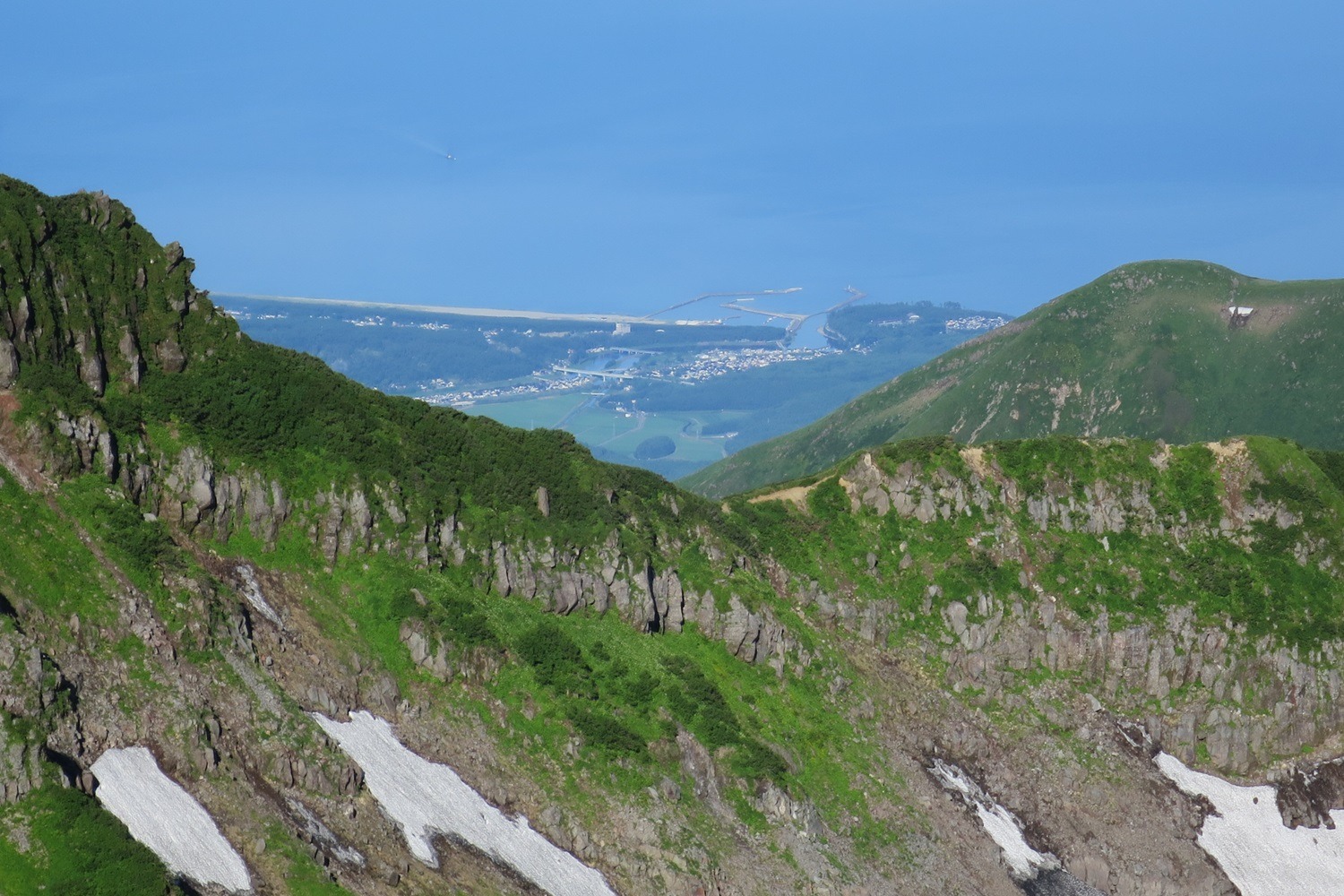
Mount Chokai (Yamagata & Akita): A grand coastal volcano featuring rare alpine terrain, where year-round snowfields clash brilliantly with blooming wildflowers.
Step into an authentic hidden sanctuary woven of water, rock, and greenery. Why not embark on a healing journey embraced by the pulse of the Earth and the beauty of traditional Japan?
Hotokegaura, Aomori: A Mystical, Sacred Haven Rising from the Sea
Formed by underwater volcanic activity roughly 20 million years ago, Hotokegaura is a dramatic stretch of pale, greenish-white rock formations designated as a National Site of Scenic Beauty and Natural Monument. Sculpted over millennia by relentless waves and weather, these towering stone monoliths rise from the water with the solemn grandeur of a grand seaside temple.
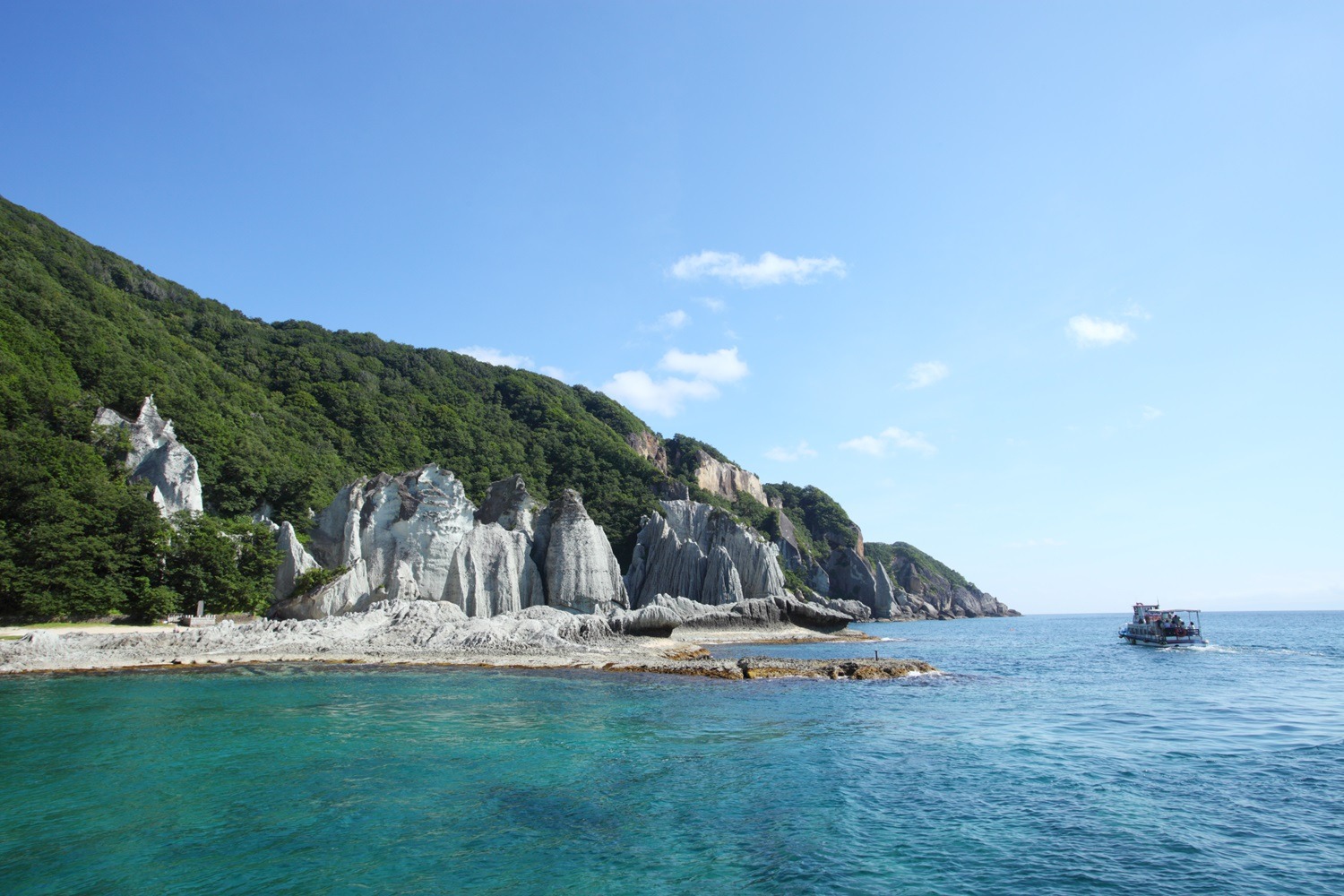
The contrast between the pale cliffs and the remarkably clear, crystalline sea creates a landscape whose raw beauty rivals the world’s most celebrated coastal destinations.
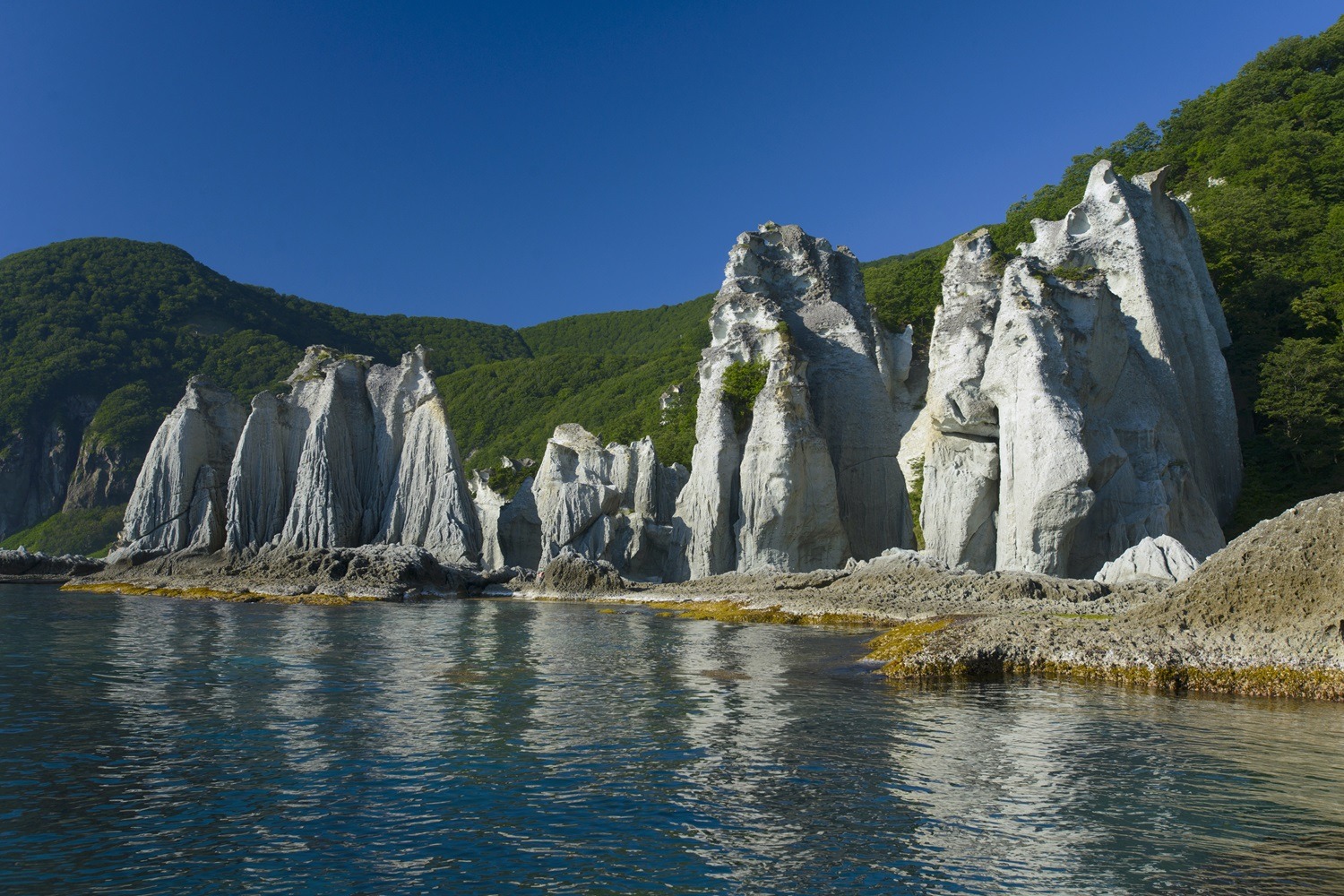
Stretching roughly two kilometers (over a mile) along the coast, the individual rock formations bear names inspired by Buddhist imagery, including "Gohyaku Rakan" (Five Hundred Arhats) and "Nyorai no Kubi" (Head of Nyorai, a Buddhist term for an enlightened being).
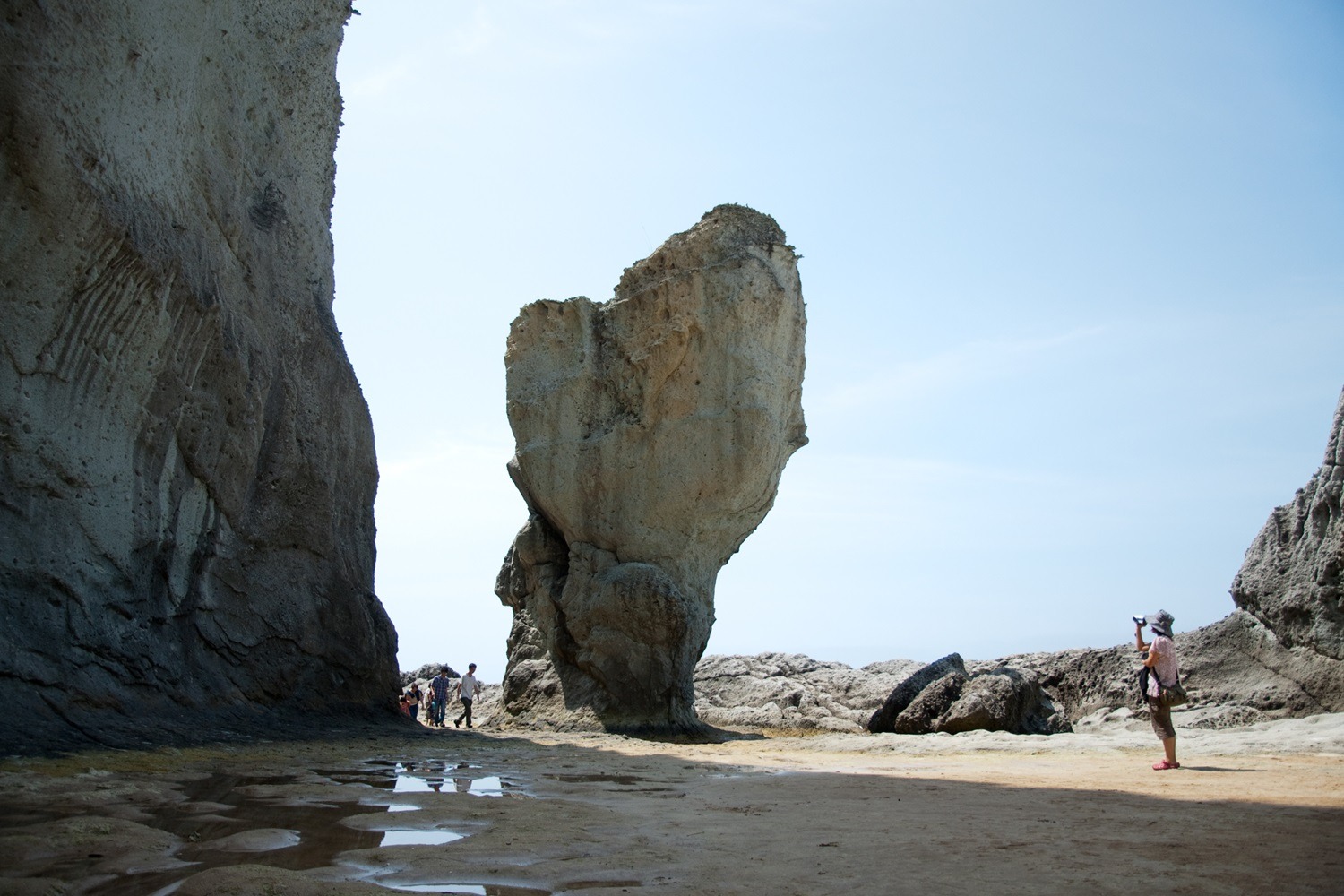
Surrounded by this silence and otherworldly natural beauty, you'll feel as though you've wandered into paradise itself.
Mototaki Fukuryusui Underflow, Akita: A Mystical Spring Wrapped in Emerald Moss
At the northern foot of Mt. Chokai, a renowned part of the Chokai-Tobishima Geopark, a 30-meter-wide (over 98-foot) cliff face releases snowmelt that has spent eight decades filtering through underground rock.
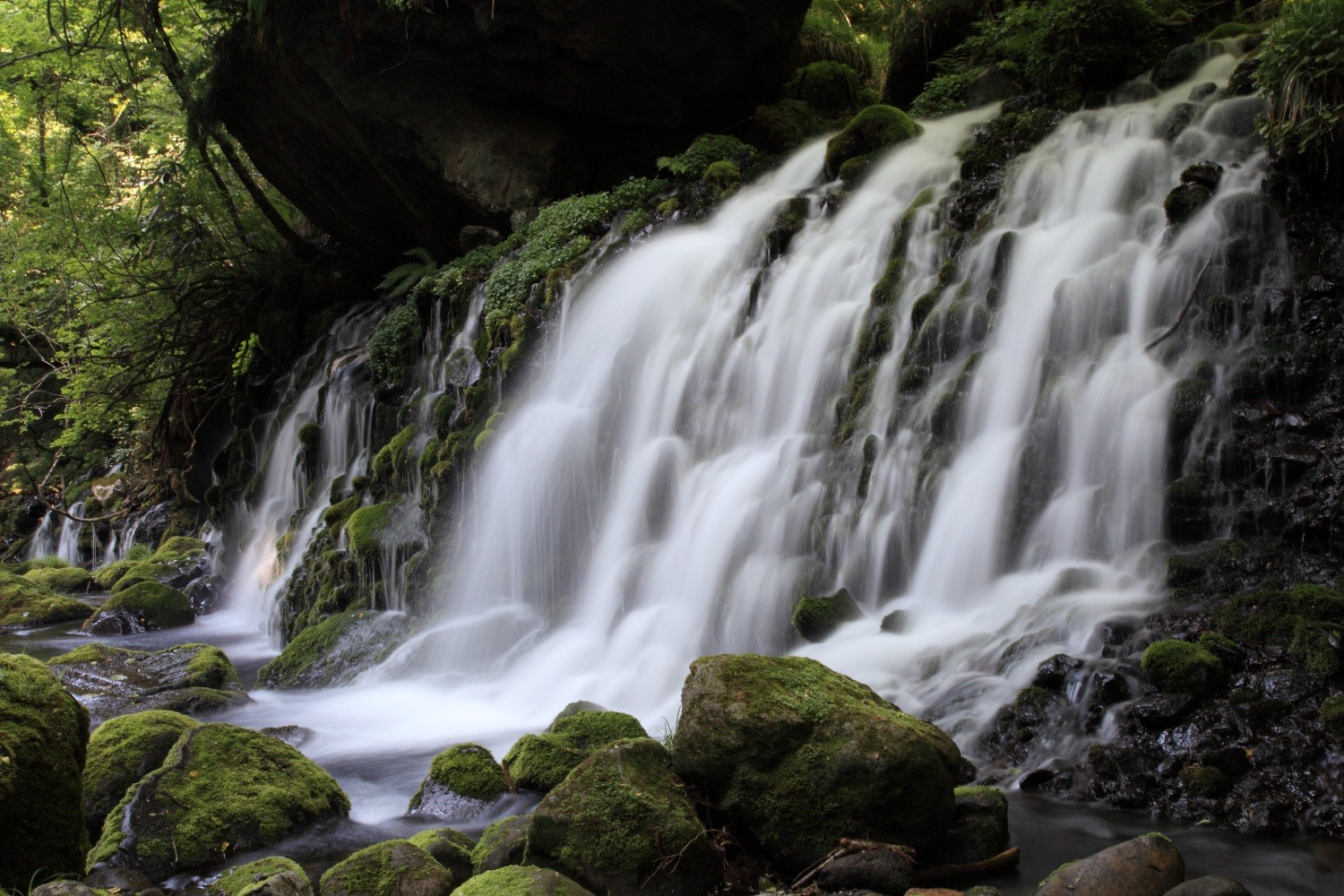
Remarkably, with no river feeding it from above, this hidden spring disgorges an incredible 50,000 tons of crystal-clear water every single day.
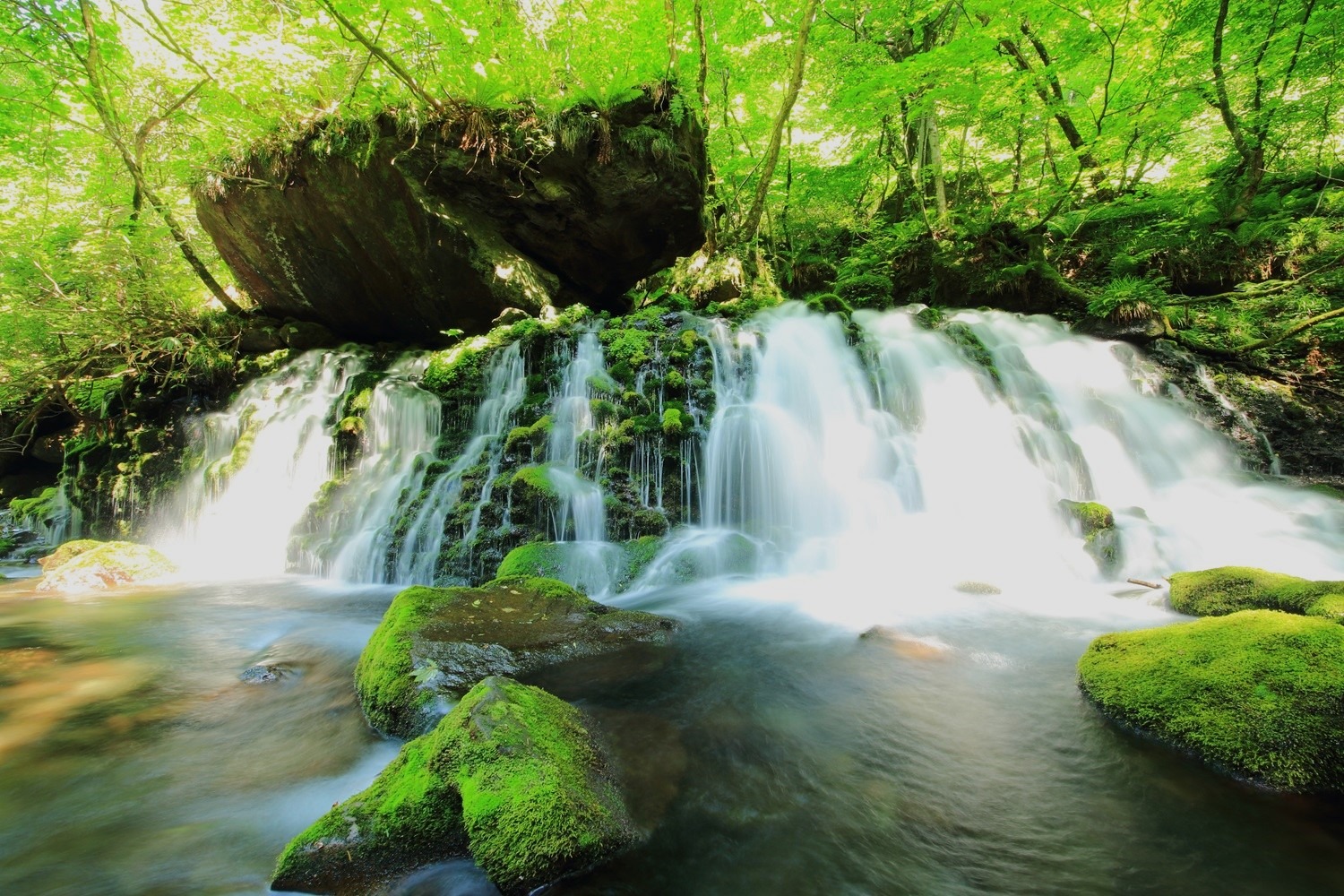
The contrast between the velvety green moss blanketing the rock face and the pure white rushing water is pure natural artistry.
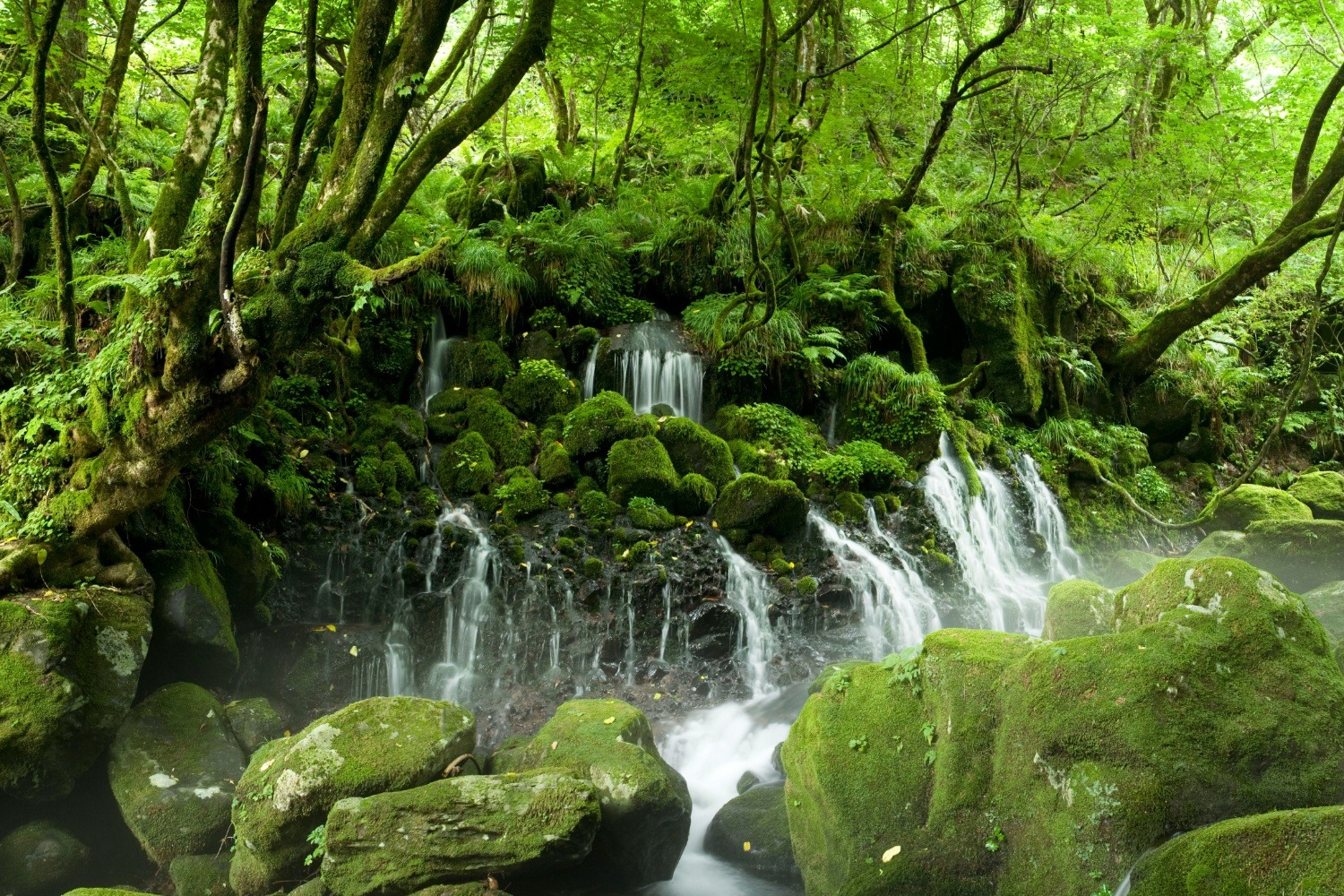
On clear summer mornings, as the icy spring water collides with the warm morning air, a delicate mist rises over the stream, catching the sunbeams to create an ethereal curtain of light.
Jodogahama Beach, Iwate: A 400-Year Legacy of Scenic Beauty
Jodogahama Beach, Iwate: A 400-Year Legacy of Scenic Beauty
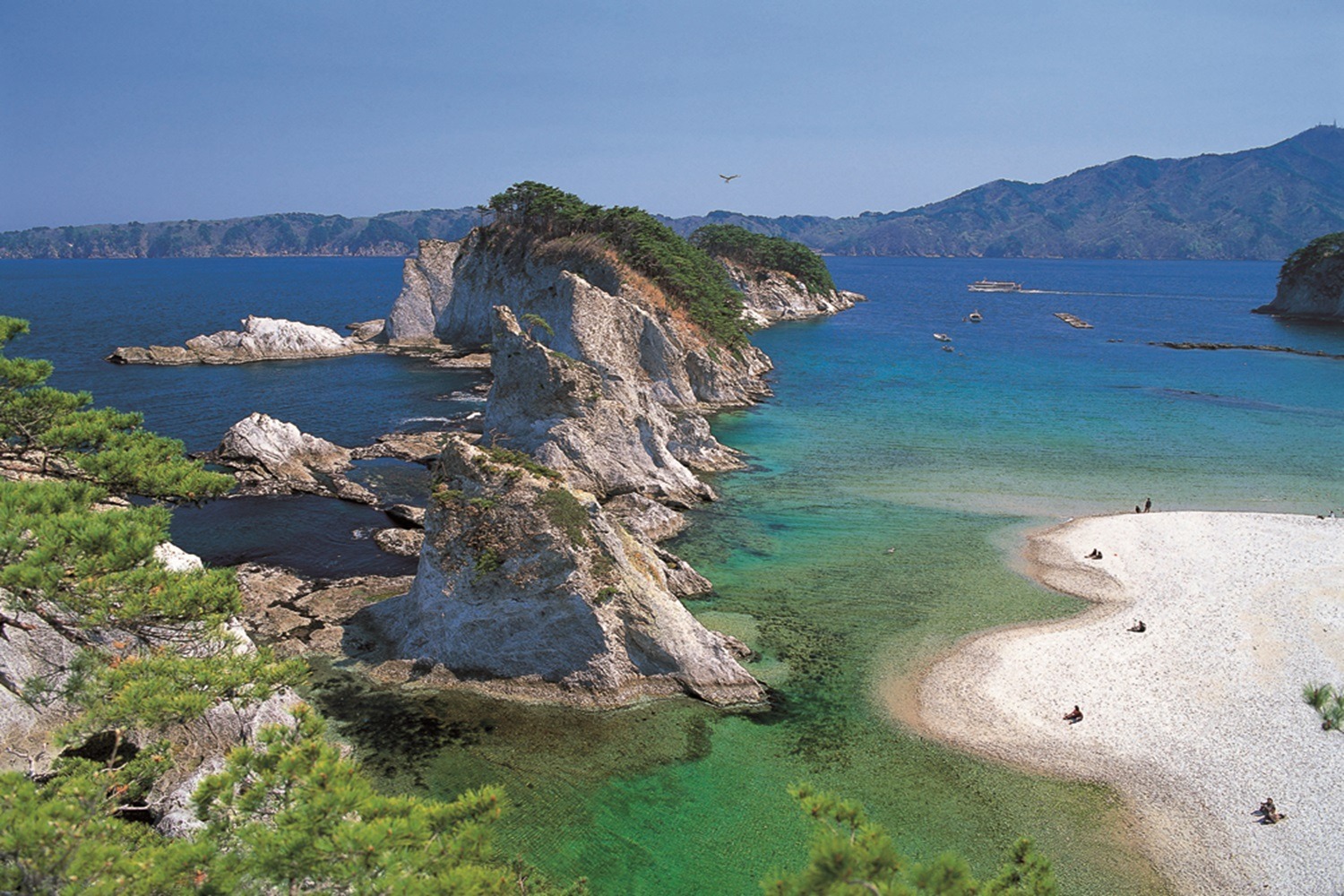
Iwate Prefecture’s Jodogahama Beach, a designated National Site of Scenic Beauty, was named in the 17th century when a visiting monk marveled that the shore looked like "paradise itself."
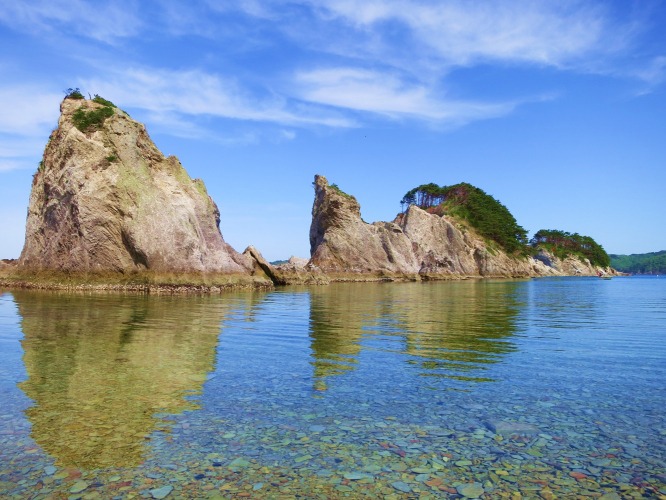
Sharp white rock spires crowned with green pines rise out of a calm bay where the water shifts from emerald green to deep azure. Together, these three elements create a scene reminiscent of a classical landscape painting, a breathtaking view that distills the essence of Japanese beauty.
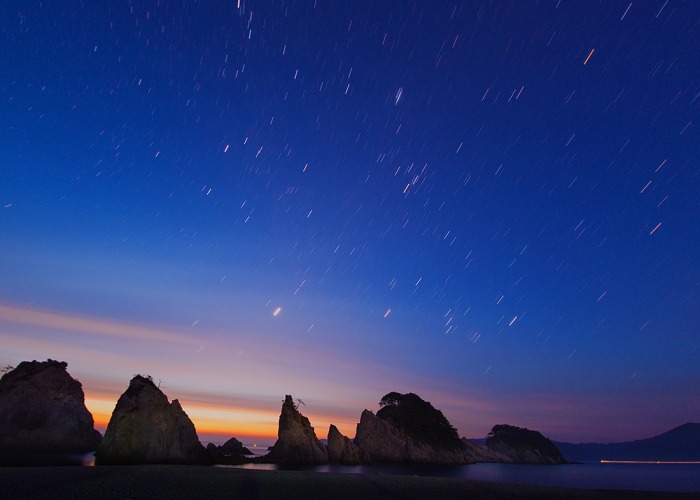
Protected inside a quiet inlet, the white-pebble shore is remarkably peaceful. The gentle waves create a stillness so profound it feels as though time itself has stopped. In this quiet, you can take a moment to reflect on nature's timeless artistry.
Mount Chokai, Yamagata/Akita: A Sky-High Paradise of Alpine Flowers and Year-Round Snow
Straddling Yamagata and Akita Prefectures, Mount Chokai stands 2,236 meters (7,335 feet) high and is one of the world's rare standalone peaks, rising up from sea level near the Sea of Japan to its summit. The entire area is certified as the Mt. Chokai & Tobishima Island Geopark. Renowned for its graceful volcanic silhouette, reminiscent of Mount Fuji, it is affectionately known as "Dewa Fuji."
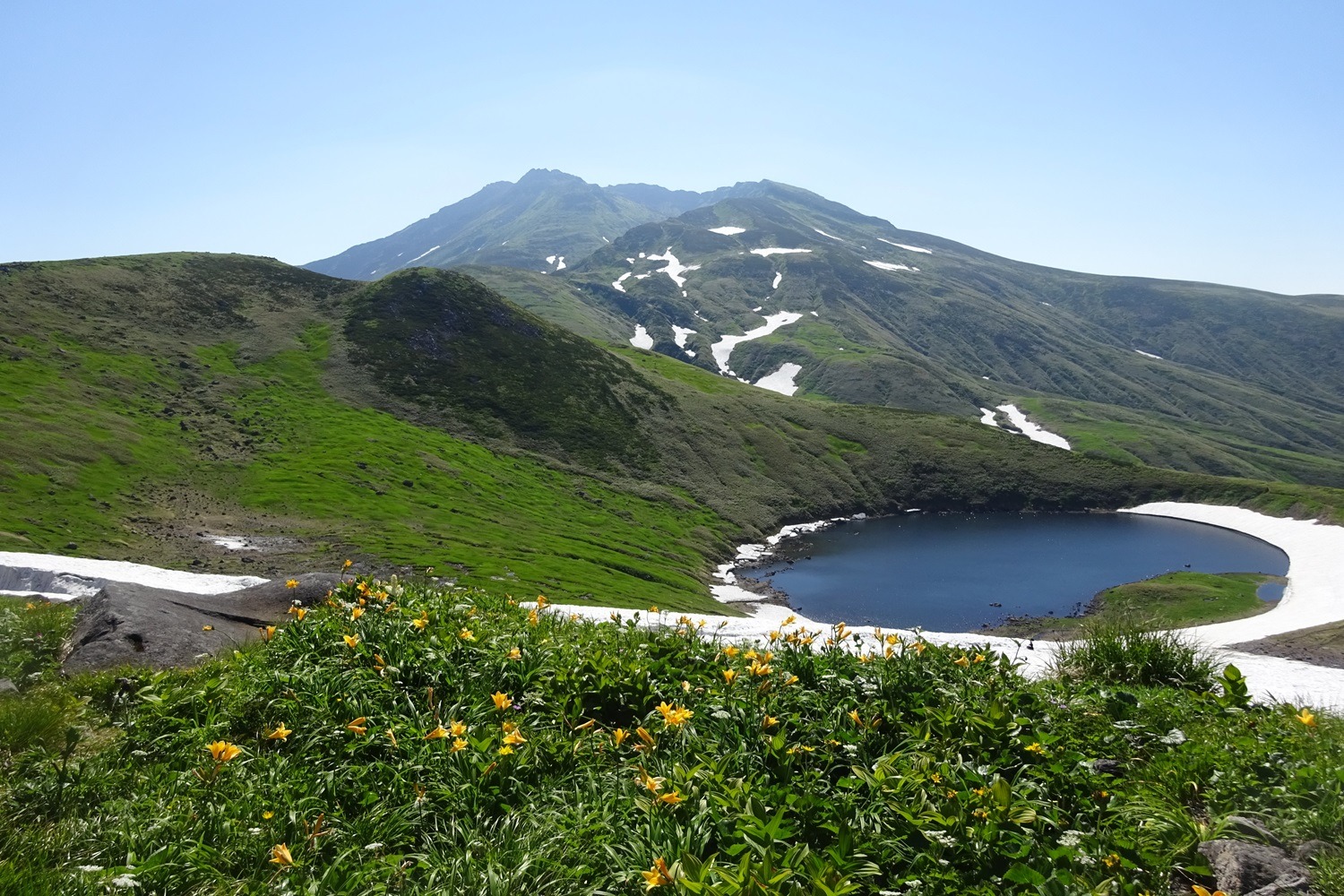
In the summertime, Mount Chokai truly becomes a paradise in the sky, its slopes blanketed in brilliant white patches of lingering snow and a carpet of flowering alpine plants.
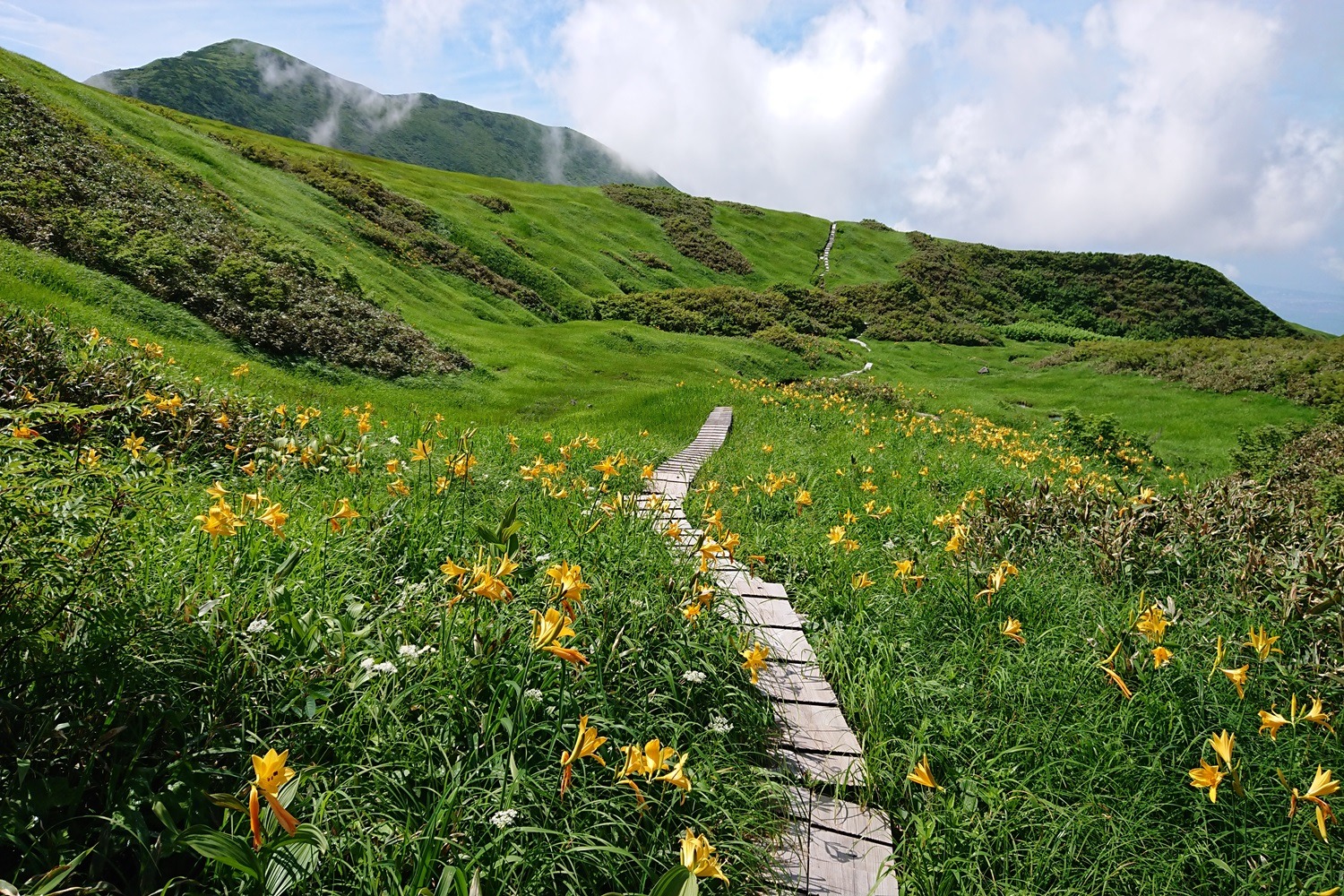
For travelers, the Chokai Blue Line highway offers a scenic drive directly to the mountain's 5th Station, rewarding visitors with sweeping panoramic views of the Sea of Japan stretching toward the horizon.