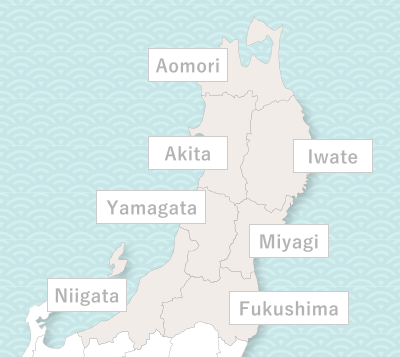
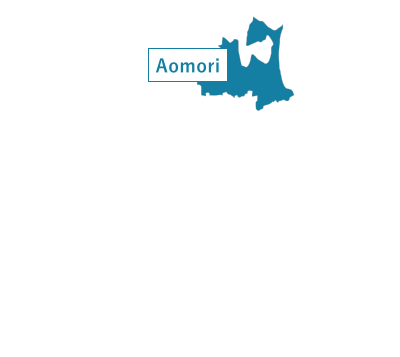
3days in Yamagata, Fukushima and Niigata!
- Suggested Time : 3 days / 2 nights
- Transport Options : Drive

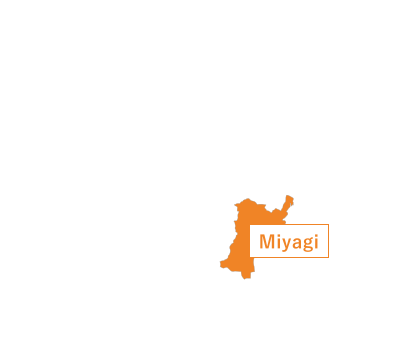

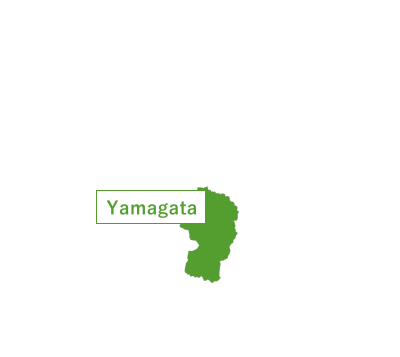
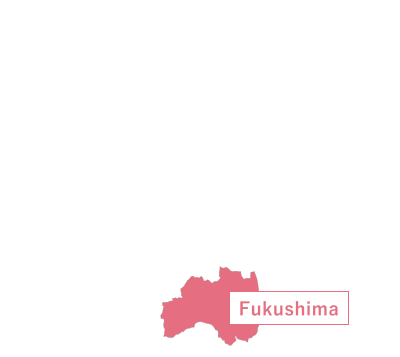
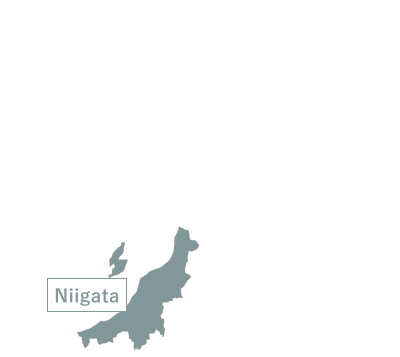
1. Stay in Bandai, Urabandai/Aizu
Hike the Goshikinuma Ponds
2. Handwoven Yonezawa Ori and dyeing experience/Yonezawa beef/Tour of Toko Sake Museum
3. Tsuruga Castle/Aizu Bukeyashiki (Samurai Residence)
4. Nagatoko and Kitakata storehouse district walking tour/Fukuman Kokuzo Bosatsu (Aizu Yanaizu Kokuzoson)
5. Shogun-sugi (giant cedar), Byodoji Temple
6. Agano River boat cruise
START
Yonezawa Station
Uesugi Jinja Shrine
Receive some good luck at the shrine of Kenshin Uesugi, one of the most powerful warriors of the civil war period
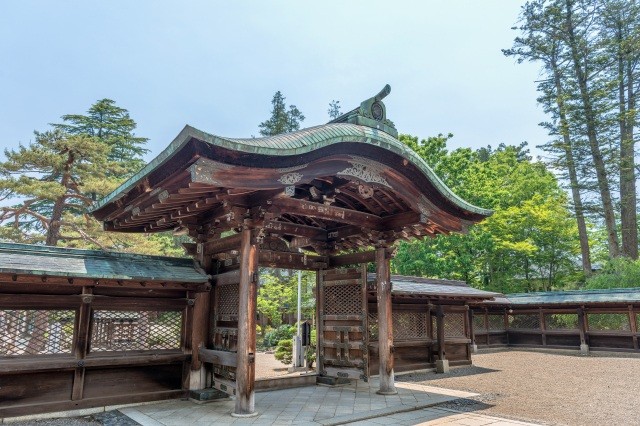
Uesugi Jinja Shrine was built on the grounds of the former Yonezawa Castle to enshrine Kenshin Uesugi, one of the most powerful warriors of the civil wars of the 15th and 16th centuries. The shrine is believed to bring good luck, academic success and thriving business thanks to Kenshin’s lingering spiritual energy.
Along the approach to the shrine, a pair of battle flags each with a Chinese character flies in the breeze on Maizuru Bridge. One has “Bi” for Bishamonten (also known as Vaisravana, the Buddhist guardian of the north) who Kenshin strongly believed in. The other has “Dragon” for Fudo Myo-o (a wrathful deity) that was used as a signal for rushing at the enemy’s position when Kenshin launched an all-out attack. Kenshin‘s firm religious faith led him to take the two most powerful deities of Buddhism to the battlefields.
History lovers should visit the treasure hall Keishoden which exhibits a number of Important Cultural Properties including relics of the Uesugi clan. There is a famous helmet of Kanetsugu Naoe, a renowned warrior and scholar, marked with the Chinese character for “Love” on display.
The shrine is located in Matsugasaki Park, a popular scenic location when the 200 cherry blossom trees lining the park moats are in bloom from mid to late April. The Yonezawa Uesugi Festival takes place at the shrine and the surrounding area from 29 April to 3 May each year. The festival’s highlights include a procession of over 1,000 shrine-parishioners dressed in extravagant samurai costumes carrying portable shrines known as Uesugi Gyoretsu, and a performance of the Battle of Kawanakajima, the biggest battle of Japan’s civil war era. The Uesugi Snow Lantern Festival takes place at the shrine and Matsugasaki Park on the weekend of the second Saturday of February each year. Over 300 candle-lit snow lanterns and 1,000 snow lamps transform the park into a winter wonderland!
The nearby Matsugasaki Shrine of Yozan Uesugi, known for the saying “where there is a will, there is a way”, also belongs to Uesugi Shrine. Visit both of the shrines for a double dose of luck!
Along the approach to the shrine, a pair of battle flags each with a Chinese character flies in the breeze on Maizuru Bridge. One has “Bi” for Bishamonten (also known as Vaisravana, the Buddhist guardian of the north) who Kenshin strongly believed in. The other has “Dragon” for Fudo Myo-o (a wrathful deity) that was used as a signal for rushing at the enemy’s position when Kenshin launched an all-out attack. Kenshin‘s firm religious faith led him to take the two most powerful deities of Buddhism to the battlefields.
History lovers should visit the treasure hall Keishoden which exhibits a number of Important Cultural Properties including relics of the Uesugi clan. There is a famous helmet of Kanetsugu Naoe, a renowned warrior and scholar, marked with the Chinese character for “Love” on display.
The shrine is located in Matsugasaki Park, a popular scenic location when the 200 cherry blossom trees lining the park moats are in bloom from mid to late April. The Yonezawa Uesugi Festival takes place at the shrine and the surrounding area from 29 April to 3 May each year. The festival’s highlights include a procession of over 1,000 shrine-parishioners dressed in extravagant samurai costumes carrying portable shrines known as Uesugi Gyoretsu, and a performance of the Battle of Kawanakajima, the biggest battle of Japan’s civil war era. The Uesugi Snow Lantern Festival takes place at the shrine and Matsugasaki Park on the weekend of the second Saturday of February each year. Over 300 candle-lit snow lanterns and 1,000 snow lamps transform the park into a winter wonderland!
The nearby Matsugasaki Shrine of Yozan Uesugi, known for the saying “where there is a will, there is a way”, also belongs to Uesugi Shrine. Visit both of the shrines for a double dose of luck!
"Yonezawa Ori" hand -woven, dyed experience
Experience Yonezawa Textiles Easily
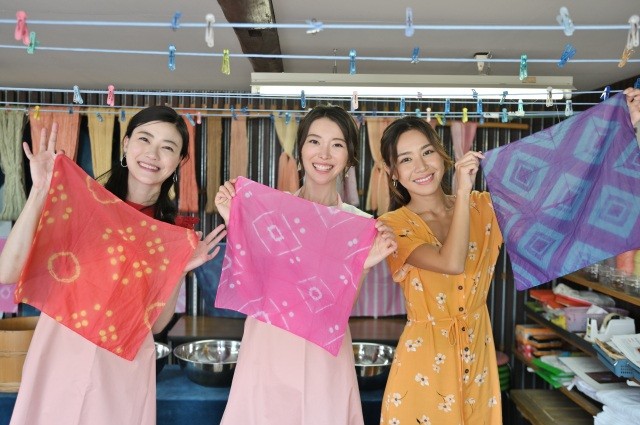
Yonezawa textiles trace their origins to Uesugi Yoshinobu, who developed them as a cottage industry for samurai wives to promote local industry, boasting over 200 years of tradition.Visitors can easily experience traditional hand-weaving using high looms, as well as plant-based dyeing using natural dyes like madder and safflower, making it a popular activity for educational tours.
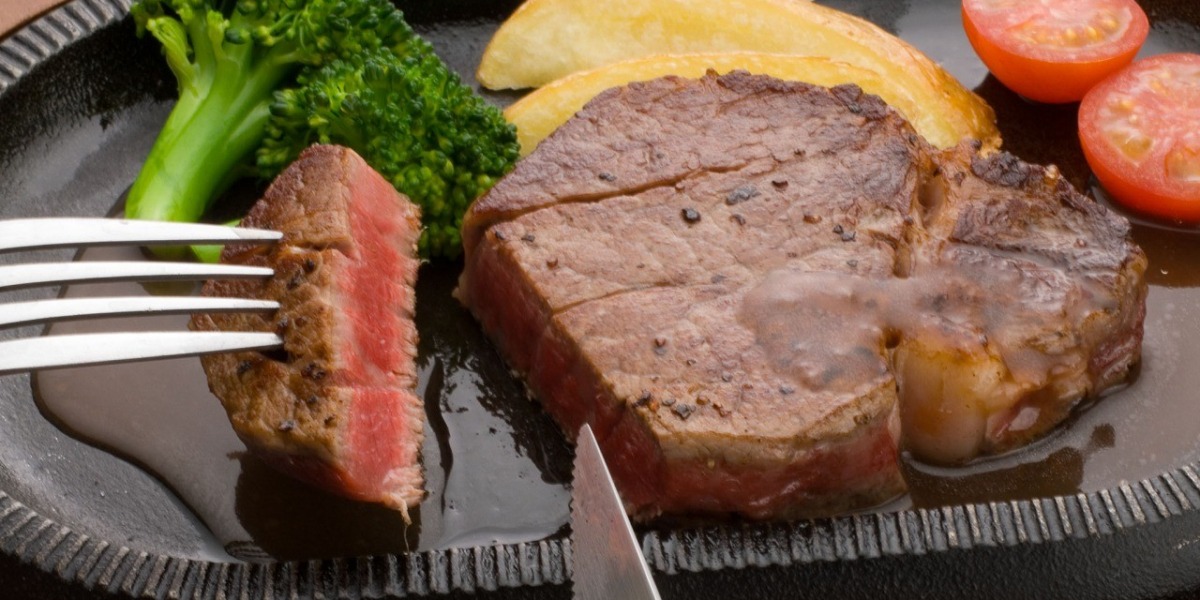
Yonezawas proud black beef Yonezawa beef
One of Japan's three most renowned brands of wagyu beef
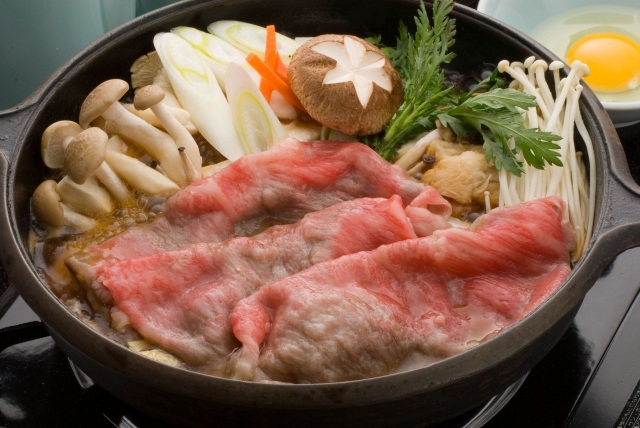
【What is Yonezawa Beef?】Yonezawa Beef refers to beef cattle of the Japanese Black breed, raised for at least 18 months by livestock farmers in the three cities and five towns of the Okitama region. It is characterized by an excellent appearance, meat quality, and fat marbling, as certified by a stamp on the carcass.It is a rare beef that combines traditional flavor and deliciousness. Its finely marbled fat truly melts in your mouth, offering a truly moving experience when eaten.Due to this taste and deep history, Yonezawa Beef was registered under the Geographical Indication (GI) Protection System in March 2017.
【Characteristics】Its most notable features are the fine marbling and the exceptional quality of its fat. This high-quality fat possesses umami and aroma, and melts at a low temperature, creating a melt-in-your-mouth texture.The secret to this superior fat lies in the climate and natural environment of the Okitama region, combined with the breeding techniques cultivated over many years through trial and error by our predecessors.Enjoy it your preferred way, such as in sukiyaki or as steak.
【Major Yonezawa Beef Retailers】Please check the following websites:・Yonezawa Noren Association (http://yonezawagyu-norenkai.com/)・Yonezawa Beef Brand Promotion Council (http://yonezawagyu.jp)
We invite you to savor the supreme taste of “Yonezawa Beef,” born from the fertile Yonezawa Basin in the upper reaches of the Mogami River.
【Characteristics】Its most notable features are the fine marbling and the exceptional quality of its fat. This high-quality fat possesses umami and aroma, and melts at a low temperature, creating a melt-in-your-mouth texture.The secret to this superior fat lies in the climate and natural environment of the Okitama region, combined with the breeding techniques cultivated over many years through trial and error by our predecessors.Enjoy it your preferred way, such as in sukiyaki or as steak.
【Major Yonezawa Beef Retailers】Please check the following websites:・Yonezawa Noren Association (http://yonezawagyu-norenkai.com/)・Yonezawa Beef Brand Promotion Council (http://yonezawagyu.jp)
We invite you to savor the supreme taste of “Yonezawa Beef,” born from the fertile Yonezawa Basin in the upper reaches of the Mogami River.
Premium open factory that carries on the legacy of Lord Uesugi Yozan
Contents for sake brewery tour, textile factory, and safflower dyeing experience
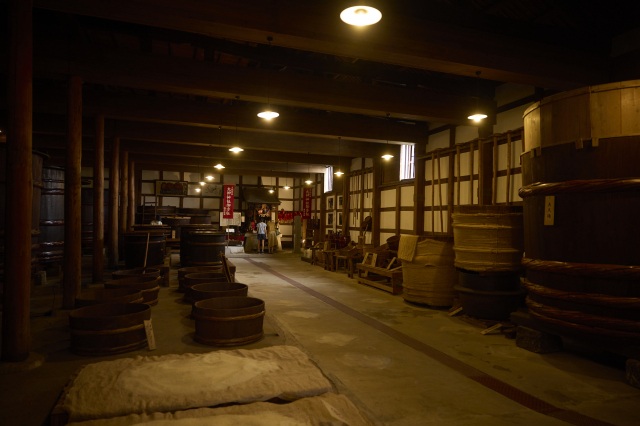
This premium experience content allows visitors to see and experience Yonezawa's traditional culture up close and personal.
(1) Sake brewery tours with the present-day head of the brewery, which has been in existence for 400 yearsThe Toko Sake Brewery, founded in the 16th century as the official sake brewery of the Uesugi family, offers visitors the opportunity to learn about the traditions and techniques of sake brewing with a guided tour by the current owner of the brewery, who boasts over 400 years of history. Toko's Sake Brewery, one of the largest sake brewery museums in the Tohoku region, offers an atmospheric space that will transport you back in time to a 19th century sake brewery, and the brewing brewery is a renovated earthen storehouse where sake was actually brewed.The large earthen storehouse with a floor space of 140 tsubo (about 1,860 square meters) has the feel of an old sake brewing site. The company is also currently working on sustainable sake brewing.
(2) Safflower dyeing experience to meet world-quality weaversTextiles produced in Yonezawa are called “Yonezawa-ori” and are characterized by the use of naturally occurring dyes. Because the dyes are made from plants, the gentle texture and rich colors are attractive. Safflower dyeing, one of the most representative dyeing methods, uses safflower, a plant of the Asteraceae family, as a dye, and it is said that Japan is the only country in the world that uses safflower as a natural dye. Its characteristic red color can be called “Japan red. Ltd., which specializes in safflower dyeing, you can hear about the history of Yonezawa textiles and safflower dyeing from the head of the company.
(1) Sake brewery tours with the present-day head of the brewery, which has been in existence for 400 yearsThe Toko Sake Brewery, founded in the 16th century as the official sake brewery of the Uesugi family, offers visitors the opportunity to learn about the traditions and techniques of sake brewing with a guided tour by the current owner of the brewery, who boasts over 400 years of history. Toko's Sake Brewery, one of the largest sake brewery museums in the Tohoku region, offers an atmospheric space that will transport you back in time to a 19th century sake brewery, and the brewing brewery is a renovated earthen storehouse where sake was actually brewed.The large earthen storehouse with a floor space of 140 tsubo (about 1,860 square meters) has the feel of an old sake brewing site. The company is also currently working on sustainable sake brewing.
(2) Safflower dyeing experience to meet world-quality weaversTextiles produced in Yonezawa are called “Yonezawa-ori” and are characterized by the use of naturally occurring dyes. Because the dyes are made from plants, the gentle texture and rich colors are attractive. Safflower dyeing, one of the most representative dyeing methods, uses safflower, a plant of the Asteraceae family, as a dye, and it is said that Japan is the only country in the world that uses safflower as a natural dye. Its characteristic red color can be called “Japan red. Ltd., which specializes in safflower dyeing, you can hear about the history of Yonezawa textiles and safflower dyeing from the head of the company.
Stay in Bandai, Urabandai/Aizu
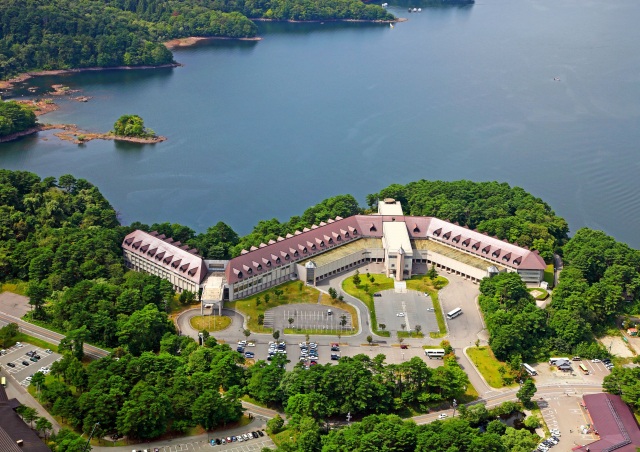
Recommended accommodation here
・Urabandai Kogen Hotel
・Konjakutei, Higashiyama Onsen
・Shikisai Ichiriki, Bandai-Atami Onsen
・Urabandai Kogen Hotel
・Konjakutei, Higashiyama Onsen
・Shikisai Ichiriki, Bandai-Atami Onsen
Day2
Depart from accommodation
Goshikinuma Lake
See the mysterious hues of this group of lakes and ponds
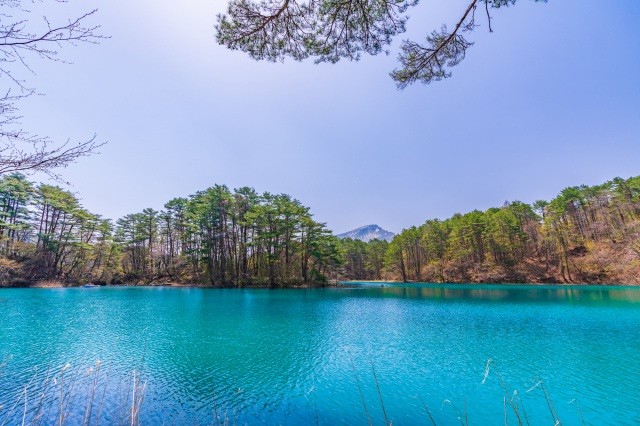
Goshikinuma, literally meaning “Five Coloured Ponds”, is a group of volcanic lakes, ponds and marshes. The ponds take their name from the mysterious hues that vary in colour depending on the season, weather and angle of view. The complex actually consists of more than five ponds including the renowned Bishamon-numa, Aka-numa, Midoro-numa, Tatsu-numa, Benten-numa, Ruri-numa, Ao-numa and Yanagi-numa. Goshikinuma is formally known as the “Group of Lakes and Ponds of Goshikinuma” and was awarded one star in the Michelin Green Guide in 2016.
On the largest pond, Bishamon-numa, row boats are available for hire and large numbers of carp can be seen swimming about. Be sure to keep an eye out for the rare one with heart-shaped spots on her side which is thought to bring good luck!
Each pond has a character all its own. Aka-numa is framed with red-tinted plants thanks to the high iron content of the water. Meanwhile three different colours can be seen on the surface of Midoro-numa.
The Goshikinuma Nature Trail is a beautiful walking path linking the lakes and ponds. It takes just over an hour to walk the trail’s gently sloping hills and it is suitable for people of all abilities. Early birds may be lucky enough to catch a mesmerising view of the lakes and ponds crowned with morning mists. The clear waters of Yagi-numa is a must-see!
There are several vantage points around Goshikinuma where visitors can enjoy breath-taking views of the lakes and ponds as well as nearby Mount Bandai, one of Japan’s most famous mountains.
On the largest pond, Bishamon-numa, row boats are available for hire and large numbers of carp can be seen swimming about. Be sure to keep an eye out for the rare one with heart-shaped spots on her side which is thought to bring good luck!
Each pond has a character all its own. Aka-numa is framed with red-tinted plants thanks to the high iron content of the water. Meanwhile three different colours can be seen on the surface of Midoro-numa.
The Goshikinuma Nature Trail is a beautiful walking path linking the lakes and ponds. It takes just over an hour to walk the trail’s gently sloping hills and it is suitable for people of all abilities. Early birds may be lucky enough to catch a mesmerising view of the lakes and ponds crowned with morning mists. The clear waters of Yagi-numa is a must-see!
There are several vantage points around Goshikinuma where visitors can enjoy breath-taking views of the lakes and ponds as well as nearby Mount Bandai, one of Japan’s most famous mountains.
Tsurugajo Castle
Japan’s only castle with elegant red tiled roofs
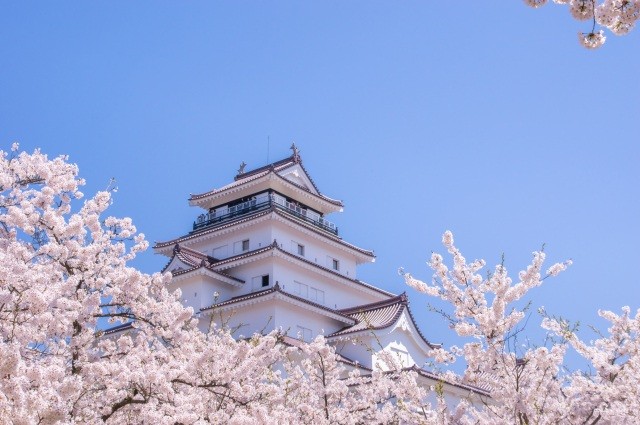
Tsuruga Castle, also known as Aizu Castle or Aizuwakamatsu Castle, is famed as an impregnable fortress that withstood a month-long siege by the newly formed government during the Boshin war in 1868.
The castle has undergone additional repairs since being reconstructed in 1965. Reroofing work was completed in 2011 to reproduce the look of the 17th century castle. Selected as one of Japan’s most famous 100 castles, it is the only existing castle with red tiled roofs in Japan. The stone walls of the castle tower survived the devastating 1611 earthquake and today stand in their original form.
The castle keep is now open as a museum and visitors can enjoy a panoramic view of the city of Aizuwakamatsu from the top floor. After exploring the castle, the tearoom “Rinkaku” in the Tsuruga Castle Park, built by the tea master Sen no Rikyu’s son-in-law, is the perfect place to enjoy a cup of tea in the castle’s traditional garden.
Tsuruga Castle Park is famous for its thousand cherry blossom trees illuminated at night. The surrounding trees are also illuminated in autumn to show off the vividly changing colours of their leaves. Meanwhile the castle fills with visitors during the “Aizue Candle Festival” each winter. The view of the snow-covered castle illuminated by traditional hand-decorated candles is unforgettable!
A thematic journey in the Tohoku region:Castles・Samurai
The castle has undergone additional repairs since being reconstructed in 1965. Reroofing work was completed in 2011 to reproduce the look of the 17th century castle. Selected as one of Japan’s most famous 100 castles, it is the only existing castle with red tiled roofs in Japan. The stone walls of the castle tower survived the devastating 1611 earthquake and today stand in their original form.
The castle keep is now open as a museum and visitors can enjoy a panoramic view of the city of Aizuwakamatsu from the top floor. After exploring the castle, the tearoom “Rinkaku” in the Tsuruga Castle Park, built by the tea master Sen no Rikyu’s son-in-law, is the perfect place to enjoy a cup of tea in the castle’s traditional garden.
Tsuruga Castle Park is famous for its thousand cherry blossom trees illuminated at night. The surrounding trees are also illuminated in autumn to show off the vividly changing colours of their leaves. Meanwhile the castle fills with visitors during the “Aizue Candle Festival” each winter. The view of the snow-covered castle illuminated by traditional hand-decorated candles is unforgettable!
A thematic journey in the Tohoku region:Castles・Samurai
Honmaru Chaya (Aizu Food)
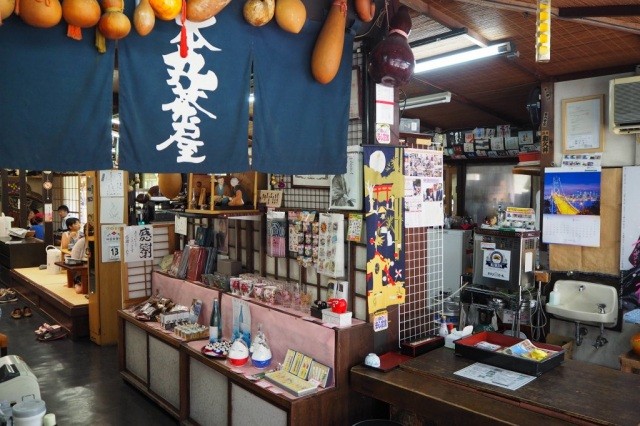
This teahouse is located right in front of the rare Sankibori moat within Tsurugajo Castle, a sight unseen elsewhere in Japan. We offer a variety of light snacks like tempura manju and grilled dango, as well as meal options such as our signature sauce katsu don, ramen, and handmade soba noodles, all featuring a special sauce whose blend changes with the seasons. How about trying our unique rice burgers? The lineup includes three varieties: Sauce Katsu, Sakura Meat (Horse Meat) with Garlic Miso Flavor, and Light Sudachi Miso Flavor! Once you see the name “Sakura Burger,” you'll chuckle and get it!
Mount Iimori
Reflect on the tragedy of these young worriers
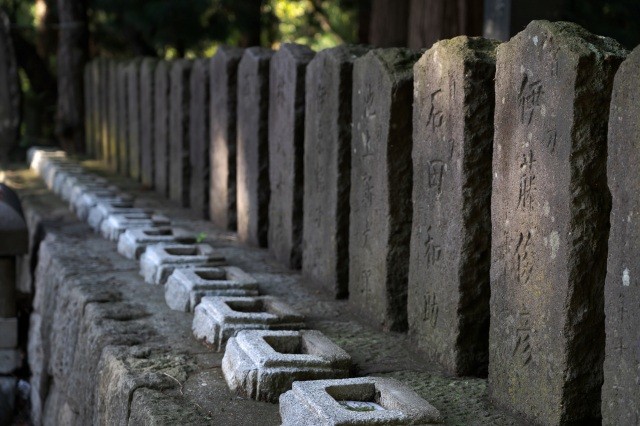
Located 314 metres above sea level, Mount Iimori overlooks the former castle town of Aizuwakamatsu. You can reach the top of the mountain via a path of 183 steps or taking the convenient travelator.
The graves of the 19 members of Byakkotai (“White Tiger Force”) at Mount Iimori commemorate the tragedy of the Aizu War, a local battle of the Boshin War in 1868. The Byakkotai was made up of teenage warriors who fought for the local Aizu feudal domain. When they saw Tsuruga Castle surrounded by clouds of smoke they believed the castle was in flames and committed suicide for their master. Nowadays many people still come to memorial services for these young warriors. Visitors can see the castle exactly as it was when the Byakkotai observed it from this tragic spot. The grave of the sole surviving member is located nearby.
There are monuments from Italy and Germany honouring the Byakkotai for their loyalty. Visitors can also see the canal cave through which the Byakkotai retreated from the battlefield of Tonoguchihara.
The Byakkotai Memorial Museum, the Byakkotai Museum of History and an Important Cultural Property, Takizawa Honjin are in the neighbourhood. Mount Iimori is also home to the Important Cultural Property of Sazae-do which attracts many visitors throughout the year.
Located on the mountainside, Iimori Bunten is a convenient place to take a break and have lunch while enjoying wonderful views of the city of Aizuwakamatsu.
The graves of the 19 members of Byakkotai (“White Tiger Force”) at Mount Iimori commemorate the tragedy of the Aizu War, a local battle of the Boshin War in 1868. The Byakkotai was made up of teenage warriors who fought for the local Aizu feudal domain. When they saw Tsuruga Castle surrounded by clouds of smoke they believed the castle was in flames and committed suicide for their master. Nowadays many people still come to memorial services for these young warriors. Visitors can see the castle exactly as it was when the Byakkotai observed it from this tragic spot. The grave of the sole surviving member is located nearby.
There are monuments from Italy and Germany honouring the Byakkotai for their loyalty. Visitors can also see the canal cave through which the Byakkotai retreated from the battlefield of Tonoguchihara.
The Byakkotai Memorial Museum, the Byakkotai Museum of History and an Important Cultural Property, Takizawa Honjin are in the neighbourhood. Mount Iimori is also home to the Important Cultural Property of Sazae-do which attracts many visitors throughout the year.
Located on the mountainside, Iimori Bunten is a convenient place to take a break and have lunch while enjoying wonderful views of the city of Aizuwakamatsu.
Aizu Bukeyashiki (Samurai Residence)
Discover Aizu’s history and culture at this museum complex
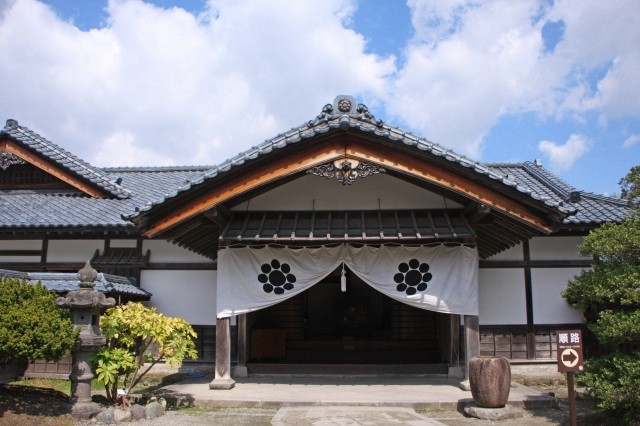
Aizu Bukeyashiki is a historical site of reconstructed samurai residences of the Edo period. The preserved buildings include the residences of the former chief councillor Tanomo Saigo, a magistrate’s office and a replica of the tearoom “Rinkaku” of Tsuruga Castle.
Visitors can learn about the samurai’s lifestyle and the Boshin war at the museum on site. The residence of Tanoma Saigo is open to public from mid-December to early April.
A variety of Aizu’s traditional cultural experiences are available for visitors to enjoy including painting the local lucky charms “Akabeko” (red cattle), glass engraving, and having your picture taken dressed as a villager of the Edo period.
There is a restaurant serving regional dishes on site along with a shop offering a wide range of traditional handicrafts and local produce, a great place to find some souvenirs to take home!
Visitors can learn about the samurai’s lifestyle and the Boshin war at the museum on site. The residence of Tanoma Saigo is open to public from mid-December to early April.
A variety of Aizu’s traditional cultural experiences are available for visitors to enjoy including painting the local lucky charms “Akabeko” (red cattle), glass engraving, and having your picture taken dressed as a villager of the Edo period.
There is a restaurant serving regional dishes on site along with a shop offering a wide range of traditional handicrafts and local produce, a great place to find some souvenirs to take home!
Stay in Bandai, Urabandai/Aizu
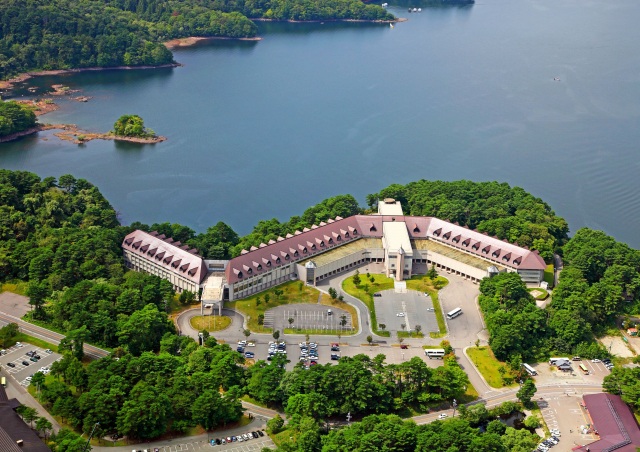
Recommended accommodation here
・Urabandai Kogen Hotel
・Konjakutei, Higashiyama Onsen
・Shikisai Ichiriki, Bandai-Atami Onsen
・Urabandai Kogen Hotel
・Konjakutei, Higashiyama Onsen
・Shikisai Ichiriki, Bandai-Atami Onsen
Day3
Depart from accommodation
Walk around Nagatoko, Kitakata and warehouse
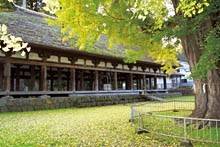
Kitakata, famous for its ramen, is also a town of warehouses.Shingu Kumano Shrine → Nagatoko → Yamato River Sake Brewery Northern Regional Museum → Warehouse District Stroll → ArrivalRecommended HighlightsOf course, ramen is recommended for lunch.
Kitakata ramen
One of Japan's Three Great Ramen
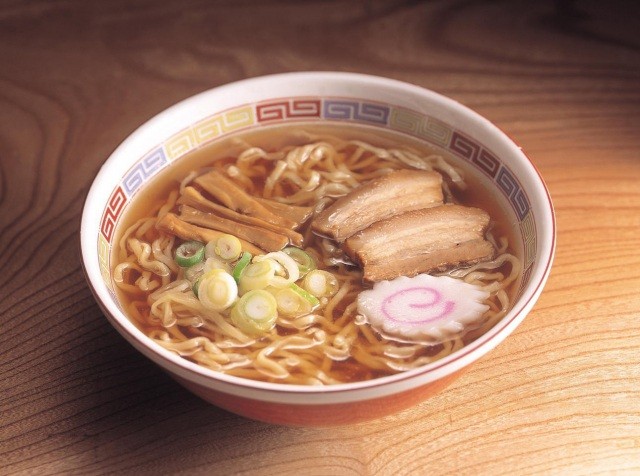
The history of Kitakata ramen dates back to the late Taisho period and early Showa period.At that time, there were no ramen shops in the city. However, a young man who had come from China would pull a cart while blowing a charumera (a traditional Japanese horn) and sell ramen (Chinese noodles) as he walked around. That handmade Chinese noodle dish is said to be the origin of Kitakata Ramen, which now boasts over 70 years of history.While Kitakata Ramen is generally thought to be soy sauce-based, the flavors and soups vary greatly from shop to shop. The noodles also differ in thickness, curl, and firmness.A major characteristic is the noodles, known as “flat-pressed, aged, high-water-content noodles,” which contain more water than standard noodles.Recently, the variety has expanded further, with salt-based flavors and ramen with pork backfat also gaining popularity.With about 90 ramen shops in a town of roughly 50,000 people, and a culture of eating ramen in the morning called “morning ramen,” it is truly a ramen town.Please enjoy Kitakata Ramen, the soul food of Kitakata citizens.
Fukuman Kokuzo Bosatsu (Aizu Yanaizu Kokuzoson)
Temple Pilgrimage Related to the Eminent Monk Tokitsu
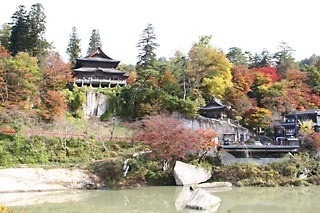
A Journey Through 1,200 Years of Buddhist Aizu: Tracing the Footsteps of Bodhisattva TokitsuEiji Temple → Shōjōji Temple → Yanaizu Kokūzōson → Tori-oi Kannon → Landing PointRecommended HighlightsAfter the Mount Bandai eruption in 806, the eminent monk Tokitsu entered Aizu to save the devastated region.There, the foremost Buddhist culture of the Oshu region blossomed, earning Aizu the name “Buddhist Metropolis.”Bodhisattva Tokitsu's unwavering conviction and single-minded spirit live on in Aizu to this day.
Awa manJu
Yanaizu Specialty
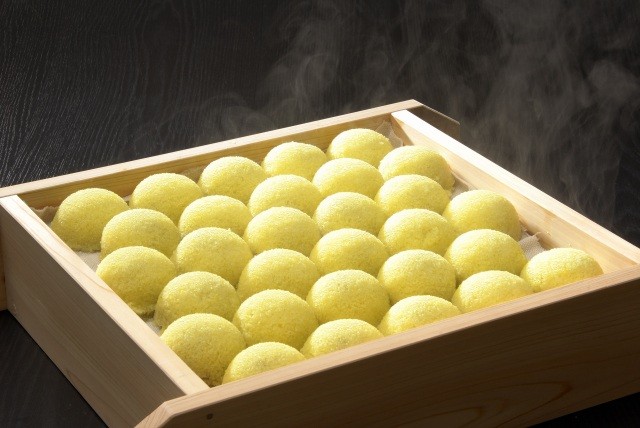
Yanaizu's famous millet dumplings feature the popping texture of millet, the chewy texture of glutinous rice, and a gentle sweetness.Their origins trace back 180 years, when people offered them to Enzoji Temple with prayers for protection from disasters after a catastrophe struck the town.Be sure to try comparing the millet dumplings from different shops!
Shogun-sugi (giant cedar), Byodoji Temple
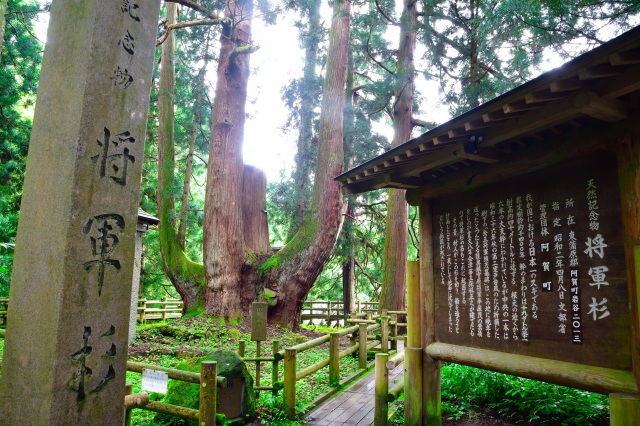
The biggest cedar tree in Japan, growing in Aga-machi, Niigata Prefecture is over 1,400 years old. It is known as a power spot.
Agano River Cruises
Enjoy scenes of nature and hometown feeling from the river, with winter-time cruises a must
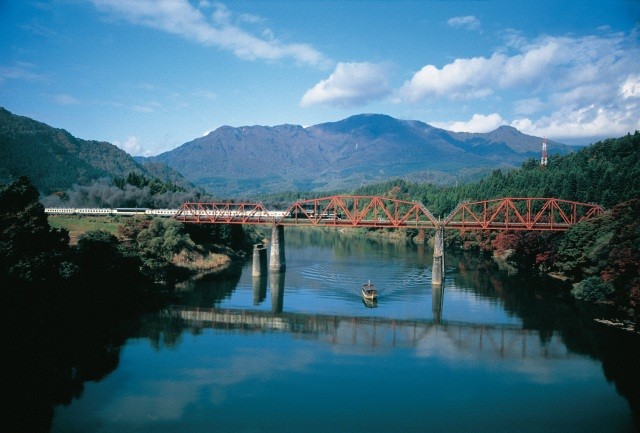
Enjoy this river cruise, taking in the varied and ever-changing valley scenery, while listening to the stories and songs of a friendly boat guide. You can enjoy the beauty of nature in all four seasons.In the spring when the snows of winter have melted away, a dignified atmosphere descends over the river and beautiful new greenery springs up along the riverbanks. In May the greenery of the forest is dotted with the delicate colour of the mountain cherry blossoms. During the hot summer months visitors enjoy cruising down the river and being refreshed by the cooling breezes that blow off the river surface. Autumn is perhaps the best season when the emerald green of the river contrasts gorgeously with the golden hues of the autumn leaves. When the snows herald the arrival of winter the view that greets passengers is one that recalls the dignified monotones of an ink painting.Boats depart from and arrive at Aganosato Roadside Station. There are two courses to choose from, the 50-minute Igashima course or the 40-minute Sakihana Onsen course.
Nigata Station/ Niigata Airport
GOAL