Crossing Iwate! Sanriku Railway and Morioka/Hanamaki Full Enjoyment Course
- Suggested Time : 3 days / 2 nights
- Transport Options : Drive


A journey through Hanamaki, where the footsteps of Iwate's renowned literary giant Kenji Miyazawa remain, and Tōno, a village of folktales preserving Japan's original landscapes, while savoring the bounty of the Sanriku Sea.
START
Day1
Morioka
Bank of Iwate Red Brick Building
Elegant red brick architecture that is a Morioka landmark
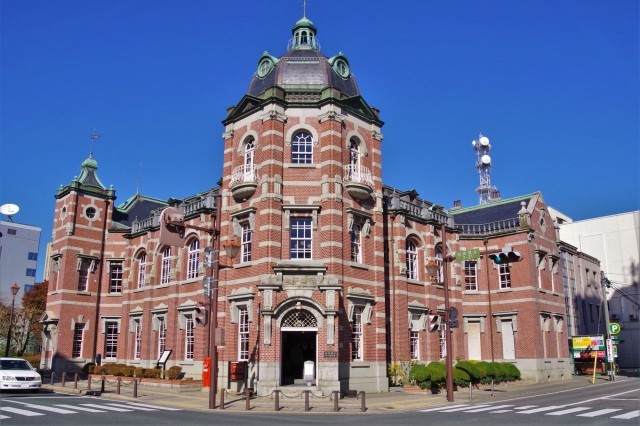
The Bank of Iwate Red Brick Building was built in 1911 as the head office for Morioka Bank. Designed by the Tatsuno-Kasai Architectural Design Office that designed Tokyo Station, this is the only architectural design by Kingo Tatsuno remaining in the Tohoku region. The building is designated as an Important Cultural Property. It is a dignified building with an elegant red brick face and a high ceiling that makes the inside feel open. It shows off the characteristic Western-style architecture of the time.
There are two zones in the building, the free Bank of Iwate zone and the paid admission Morioka Bank zone. The free zone features a multipurpose hall and a library lounge that introduces the history of Morioka's industry and commerce. The paid admission zone has a reception room and the vault used since the bank opened for business. There is also a corner that introduces the financial history of Iwate Prefecture and a theatre that shows the history and structure of the building in video.
There are two zones in the building, the free Bank of Iwate zone and the paid admission Morioka Bank zone. The free zone features a multipurpose hall and a library lounge that introduces the history of Morioka's industry and commerce. The paid admission zone has a reception room and the vault used since the bank opened for business. There is also a corner that introduces the financial history of Iwate Prefecture and a theatre that shows the history and structure of the building in video.
Morioka Castle Ruins Park (Iwate Park)
The well-preserved stone walls are a must see. Enjoy year-round seasonal beauty in this castle ruins park!
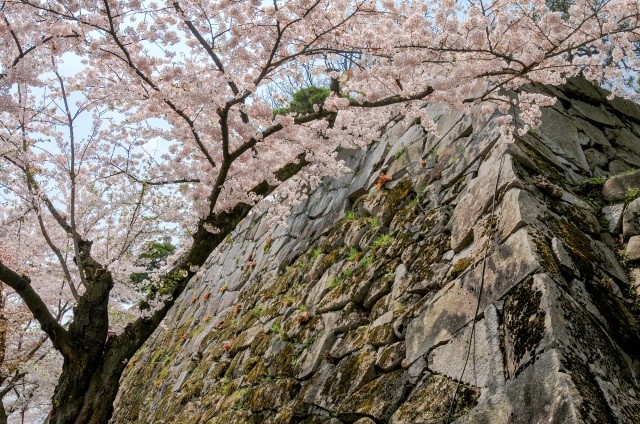
A 15-minute walk from Morioka station takes you to Morioka Castle, officially recognised as a national historic site and one of Japan’s top 100 castles.
When constructed in 1597 the castle was originally known as Kozukata Castle. It was the residence of the local feudal lords until 1874 when most of the buildings were demolished. Fortunately the stone walls remain in their original form and the castle grounds were preserved as a park in 1906.
Today the park is known as Morioka Castle Ruins Park and is a popular place for relaxation and recreation for locals. It is also recognised as one of Japan’s 100 best historical parks.
Many people come to the park during the springtime Sakura Festival. The view of cherry blossoms is enchanting when illuminated by paper lanterns at night. The park attracts visitors throughout the year with its seasonal beauty. Tsurugaike Pond is gracefully decorated with blooming wisteria trellises in May and hydrangeas in July. Scarlet maple leaves and vivid yellow gingko leaves are gorgeous in contrast with the castle’s stone walls in autumn. A large number of miniature snow huts create fascinating scenes when candlelit during Morioka Yukiakari Festival in winter.
The park is also home to monuments of some of the great names in literature including Takuboku Ishikawa, Kenji Miyazawa and Inazo Nitobe. Some of the works of each are inscribed on the monuments.
A thematic journey in the Tohoku region:Castles・SamuraiA thematic journey in the Tohoku region:Flowers
When constructed in 1597 the castle was originally known as Kozukata Castle. It was the residence of the local feudal lords until 1874 when most of the buildings were demolished. Fortunately the stone walls remain in their original form and the castle grounds were preserved as a park in 1906.
Today the park is known as Morioka Castle Ruins Park and is a popular place for relaxation and recreation for locals. It is also recognised as one of Japan’s 100 best historical parks.
Many people come to the park during the springtime Sakura Festival. The view of cherry blossoms is enchanting when illuminated by paper lanterns at night. The park attracts visitors throughout the year with its seasonal beauty. Tsurugaike Pond is gracefully decorated with blooming wisteria trellises in May and hydrangeas in July. Scarlet maple leaves and vivid yellow gingko leaves are gorgeous in contrast with the castle’s stone walls in autumn. A large number of miniature snow huts create fascinating scenes when candlelit during Morioka Yukiakari Festival in winter.
The park is also home to monuments of some of the great names in literature including Takuboku Ishikawa, Kenji Miyazawa and Inazo Nitobe. Some of the works of each are inscribed on the monuments.
A thematic journey in the Tohoku region:Castles・SamuraiA thematic journey in the Tohoku region:Flowers
Morioka cold noodles (Korean style)
The noodles have an addictive firmness.
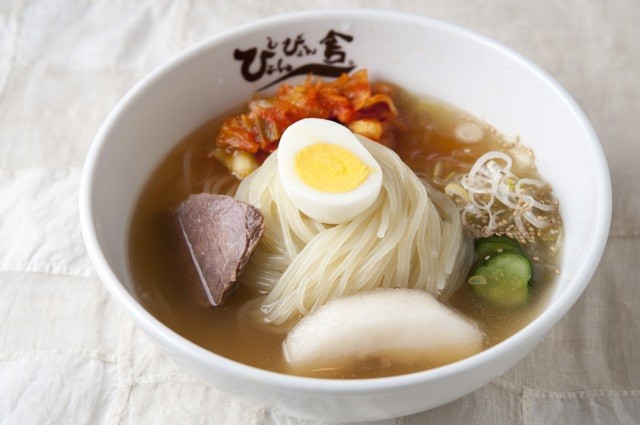
Morioka cold noodles were first made by a native of Pyongyang on the Korean Peninsula, who improved on the authentic taste. Morioka cold noodle is characterized by its firm translucent noodles made of wheat flour and potato starch, and many people are attracted by the unique flavor of the noodles with a firm texture, the rich soup made from beef bones, and the spiciness and sourness of kimchi. Those who do not like spicy food can adjust the spiciness by the amount of kimchi. At the "Pyonpyonsha Cold Noodle Factory" in Morioka Handmade Village, visitors can experience making cold noodles by hand.
Cold noodles are one of the three most popular noodles in Morioka (wankosoba, cold noodles, and jaja-men).
Cold noodles are one of the three most popular noodles in Morioka (wankosoba, cold noodles, and jaja-men).
Farm Tractor Ride Through a Tunnel of Autumn Leaves
Fully enjoy nature while riding on one of Koiwai Farm's tractors.
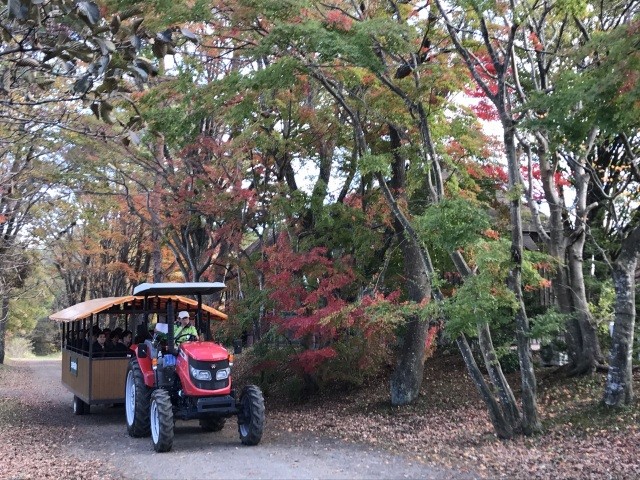
The tour takes participants through a private forest while riding in a tractor-pulled passenger car. Experience the magnificent nature of Koiwai Farm as you feel the wind on your cheeks and smell the fresh scent of the forest.
Tsunagi Onsen
A popular hot spring on the outskirts of Morioka, discovered by the famous warrior Minamoto no Yoshiie
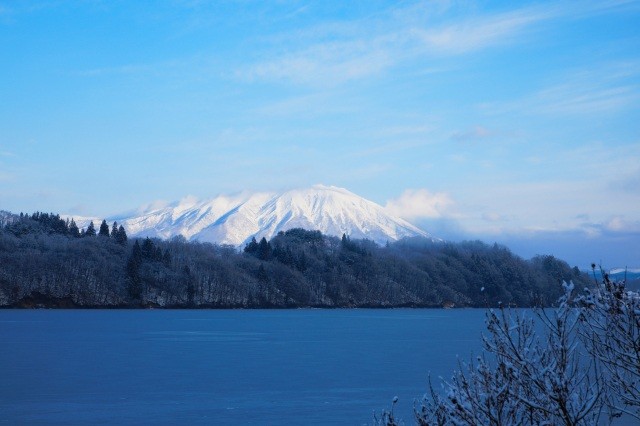
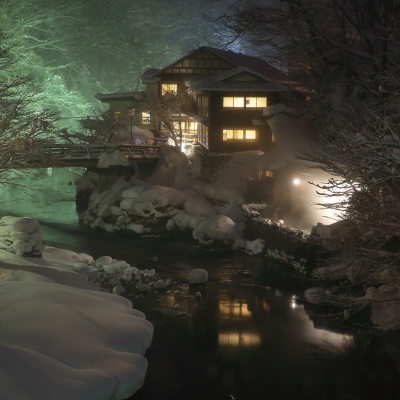
Tsunagi Onsen is located near Lake Gosho, a popular scenic location with views of Mount Iwaki and the impressive Tsunagi Bridge spanning the breadth of the lake.
With a history stretching back 900 years, Tsunagi Onsen is a popular hot spring on the outskirts of Morioka. The Onsen was named “Tsunagi” (tether) from when the famous samurai warrior Minamoto no Yoshiie took a bath while his horse was tied to a stone. The stone came to be known as Tsunagi Stone and can now be seen at the Tsunagi Onsen Shrine. The alkaline hot spring water is rich in metasilicic acid, a natural moisturiser, and is known to promote beautiful skin by removing waste products from the body and making the skin smooth.
Tsunagi Onsen is a 30-minute drive from Morioka station. Along with the nearby Koiwai Farm and Morioka Tezukuri Mura arts and crafts centre, the Onsen offers easy access to local attractions including Lake Towada, Mount Hachimantai, Kakunodate, Jodogahama Beach and Hiraizumi. The Onsen offers a wide range of hot spring inns suitable for all visitors and is the perfect location to stay while travelling around Northern Tohoku.
Visitors can enjoy the seasonal scenery of Lake Gosho with springtime cherry blossoms, verdant summer greens, vibrant autumn leaves and snowy winter scenes. The fireworks display over the lake during the summer festival is particularly spectacular.
With a history stretching back 900 years, Tsunagi Onsen is a popular hot spring on the outskirts of Morioka. The Onsen was named “Tsunagi” (tether) from when the famous samurai warrior Minamoto no Yoshiie took a bath while his horse was tied to a stone. The stone came to be known as Tsunagi Stone and can now be seen at the Tsunagi Onsen Shrine. The alkaline hot spring water is rich in metasilicic acid, a natural moisturiser, and is known to promote beautiful skin by removing waste products from the body and making the skin smooth.
Tsunagi Onsen is a 30-minute drive from Morioka station. Along with the nearby Koiwai Farm and Morioka Tezukuri Mura arts and crafts centre, the Onsen offers easy access to local attractions including Lake Towada, Mount Hachimantai, Kakunodate, Jodogahama Beach and Hiraizumi. The Onsen offers a wide range of hot spring inns suitable for all visitors and is the perfect location to stay while travelling around Northern Tohoku.
Visitors can enjoy the seasonal scenery of Lake Gosho with springtime cherry blossoms, verdant summer greens, vibrant autumn leaves and snowy winter scenes. The fireworks display over the lake during the summer festival is particularly spectacular.
Day2
Depart from accommodation
【Kamaishi City, Iwate Prefecture】Kamaishi Daikannon
The Kannon of Love and Peace, certified as a “Lover's Sanctuary”
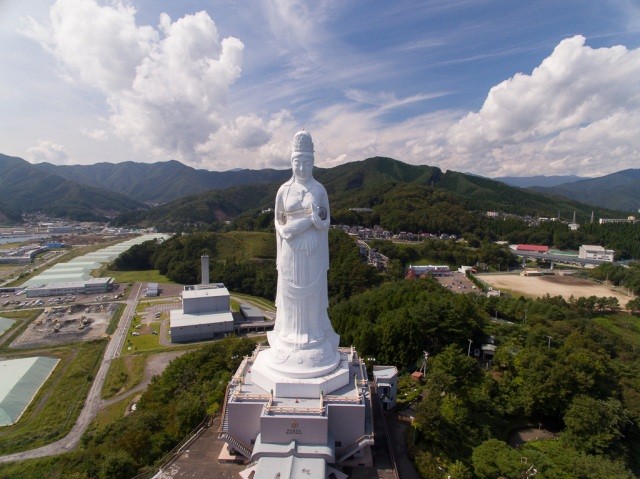
The Great Kannon stands 48.5 meters tall.As you view various exhibits and reach the observation deck, the breathtaking scenery of Kamaishi Bay spreads out below.In early summer, the “yamase” wind blows in from the sea, often creating a fantastical scene like being above the clouds.
It has been certified as a “Lovers' Sanctuary,” a place perfect for proposals. 【Important Note】Access within the Great Kannon involves stairs. Please be aware that there are no elevators or ramps available.
It has been certified as a “Lovers' Sanctuary,” a place perfect for proposals. 【Important Note】Access within the Great Kannon involves stairs. Please be aware that there are no elevators or ramps available.
Sanriku Railway
Enjoy the magnificent sea of Sanriku: The "third sector" railroad bridging the Sanriku coast
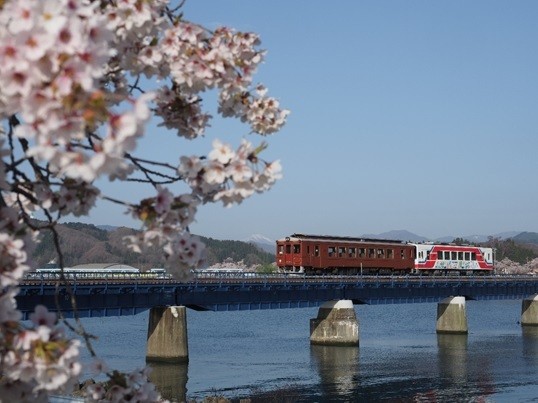
The Sanriku Railway Rias Line is the longest third-sector railroad line in Japan. It was created as a result of the restoration of the JR Yamada Line between Miyako and Kamaishi which was damaged in the Great East Japan Earthquake, along with a change of management. In addition to offering a spectacular view of the Sanriku coast from the train windows, the line operates special trains, including retro trains, tatami trains, kotatsu (heated table) trains, and trains where passengers can learn about the Tohoku earthquake of 2011.
★Information on special trainshttps://www.sanrikutetsudou.com/wp-content/themes/responsive/event.html
★Earthquake Disaster Trainhttps://www.sanrikutetsudou.com/?p=23
★Information on special trainshttps://www.sanrikutetsudou.com/wp-content/themes/responsive/event.html
★Earthquake Disaster Trainhttps://www.sanrikutetsudou.com/?p=23
See the Location for Popular TV show Ama-chan
Enter into a scene straight out of Ama-chan
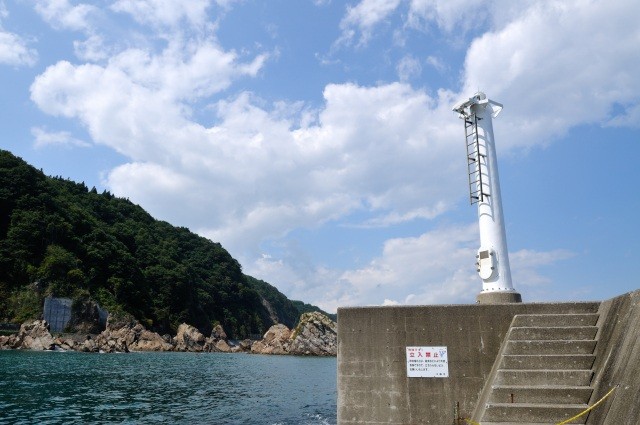
The city of Kuji was the setting of the NHK TV series Ama-chan, which aired from April 1 to September 28, 2013. Many scenes, including the Kosode Coast, were filmed in Kuji.
The scenery as seen in the drama remains and is still visited by many Ama-chan fans. At each of the filming locations are Ama-chan billboards explaining the scenes that appeared in the show, which will draw you even more into the world of Ama-chan.
At the station-front tourism exchange center, YOMUNOSU, dioramas and other items used in the filming of the movie are on display, and the cafe corner has floating glass lights that resemble the Cafe Rias from Ama-chan. You can enjoy sandwiches and drinks for just 500 yen.
≪City area≫・Sanriku Railway Kuji Station ・・・This station appeared as ""Kitasanriku Station on the Kitasanriku Railway Rias Line.""For inquiries, please contact Sanriku Tetsudo Kuji Station ☎ 0194-52-0177.・Roadside Station Kuji Yamase Dofukan ・・・ This was the venue where Yui won the Miss Kitatetsu contest. Hours: 9:00-19:00 *open until 18:00 from October to March For inquiries, contact Kaze no Yakata Kuji Tourism and Products Association ☎ 0194-66-9200
≪Kosode area≫ 20 minutes on the town bus from Kuji Station (Kuji Kaigan Line)・Kosode gyokō kitabōhatei Lighthouse・・・Appeared in the opening scene where Aki jumps into the sea. 3-minute walk from the Kosode Ama (female diver) Center
・Ama free-diving demonstration・Pier・・・Where divers such as Aki and Natsubappa conducted their dive fishing. Near the Kosode Ama Center
・Watchtower on top of the Kosode fishing port・・・This is the watchtower where Hiroshi worked part-time. A 10-minute walk from the Kosode Ama Center (up a winding hill, but the view from the top is spectacular).
≪Suburban Area≫・Kamiyama Kohaku Kogei (Amber craft) Kohaku Kodo (Amber tunnel) ・・・This is the tunnel where Ben mines amber. Time required: about 1 hour Fee: 3,000 yen per person for groups up to 2, 2,000 yen per person for groups up to 5, 1,500 yen per person for group ups to 9, 1,000 yen per person for groups of 10 more For inquiries, contact the Kuji Regional Tourism Council ☎ 0194-53-5756 *Reservations should be made one week in advance. Depending on the day, reservations may be made on the day.
The scenery as seen in the drama remains and is still visited by many Ama-chan fans. At each of the filming locations are Ama-chan billboards explaining the scenes that appeared in the show, which will draw you even more into the world of Ama-chan.
At the station-front tourism exchange center, YOMUNOSU, dioramas and other items used in the filming of the movie are on display, and the cafe corner has floating glass lights that resemble the Cafe Rias from Ama-chan. You can enjoy sandwiches and drinks for just 500 yen.
≪City area≫・Sanriku Railway Kuji Station ・・・This station appeared as ""Kitasanriku Station on the Kitasanriku Railway Rias Line.""For inquiries, please contact Sanriku Tetsudo Kuji Station ☎ 0194-52-0177.・Roadside Station Kuji Yamase Dofukan ・・・ This was the venue where Yui won the Miss Kitatetsu contest. Hours: 9:00-19:00 *open until 18:00 from October to March For inquiries, contact Kaze no Yakata Kuji Tourism and Products Association ☎ 0194-66-9200
≪Kosode area≫ 20 minutes on the town bus from Kuji Station (Kuji Kaigan Line)・Kosode gyokō kitabōhatei Lighthouse・・・Appeared in the opening scene where Aki jumps into the sea. 3-minute walk from the Kosode Ama (female diver) Center
・Ama free-diving demonstration・Pier・・・Where divers such as Aki and Natsubappa conducted their dive fishing. Near the Kosode Ama Center
・Watchtower on top of the Kosode fishing port・・・This is the watchtower where Hiroshi worked part-time. A 10-minute walk from the Kosode Ama Center (up a winding hill, but the view from the top is spectacular).
≪Suburban Area≫・Kamiyama Kohaku Kogei (Amber craft) Kohaku Kodo (Amber tunnel) ・・・This is the tunnel where Ben mines amber. Time required: about 1 hour Fee: 3,000 yen per person for groups up to 2, 2,000 yen per person for groups up to 5, 1,500 yen per person for group ups to 9, 1,000 yen per person for groups of 10 more For inquiries, contact the Kuji Regional Tourism Council ☎ 0194-53-5756 *Reservations should be made one week in advance. Depending on the day, reservations may be made on the day.
Michinoku Coastal Trail (Miyako City - Iwaizumi Town)
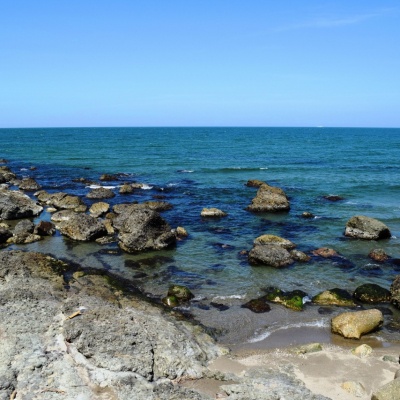
A tour to remember The Great East Japan Earthquake of visiting the damaged remaining buildings and enjoying the spacious views of the coastal terrace.
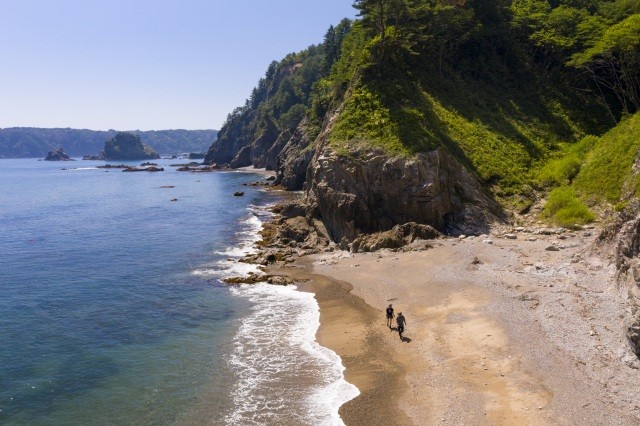
The trail tour starts at a picturesque spot “Jodogahama” and lets you enjoy walking through Miyako City/Iwaizumi Town in Iwate Prefecture toward the goal of Iwaizumi Omoto Station on the Sanriku Railway while feeling the sea breeze. By proceeding and enjoying the outstanding views of the coastal terrace, you are introduced to the local and peaceful fishing village and the beautiful beach where the waves come and go quietly. The remaining buildings damaged by the earthquake here and there are passing on the memory of the disaster to people. The intermediate mountaineering skill and legs’ strength are required due to some steep landforms with repeated ups/downs, so-called “Ocean Alps”.Photo by: Koji Iwama"
Tsunagi Onsen
A popular hot spring on the outskirts of Morioka, discovered by the famous warrior Minamoto no Yoshiie
Tsunagi Onsen is located near Lake Gosho, a popular scenic location with views of Mount Iwaki and the impressive Tsunagi Bridge spanning the breadth of the lake.
With a history stretching back 900 years, Tsunagi Onsen is a popular hot spring on the outskirts of Morioka. The Onsen was named “Tsunagi” (tether) from when the famous samurai warrior Minamoto no Yoshiie took a bath while his horse was tied to a stone. The stone came to be known as Tsunagi Stone and can now be seen at the Tsunagi Onsen Shrine. The alkaline hot spring water is rich in metasilicic acid, a natural moisturiser, and is known to promote beautiful skin by removing waste products from the body and making the skin smooth.
Tsunagi Onsen is a 30-minute drive from Morioka station. Along with the nearby Koiwai Farm and Morioka Tezukuri Mura arts and crafts centre, the Onsen offers easy access to local attractions including Lake Towada, Mount Hachimantai, Kakunodate, Jodogahama Beach and Hiraizumi. The Onsen offers a wide range of hot spring inns suitable for all visitors and is the perfect location to stay while travelling around Northern Tohoku.
Visitors can enjoy the seasonal scenery of Lake Gosho with springtime cherry blossoms, verdant summer greens, vibrant autumn leaves and snowy winter scenes. The fireworks display over the lake during the summer festival is particularly spectacular.
With a history stretching back 900 years, Tsunagi Onsen is a popular hot spring on the outskirts of Morioka. The Onsen was named “Tsunagi” (tether) from when the famous samurai warrior Minamoto no Yoshiie took a bath while his horse was tied to a stone. The stone came to be known as Tsunagi Stone and can now be seen at the Tsunagi Onsen Shrine. The alkaline hot spring water is rich in metasilicic acid, a natural moisturiser, and is known to promote beautiful skin by removing waste products from the body and making the skin smooth.
Tsunagi Onsen is a 30-minute drive from Morioka station. Along with the nearby Koiwai Farm and Morioka Tezukuri Mura arts and crafts centre, the Onsen offers easy access to local attractions including Lake Towada, Mount Hachimantai, Kakunodate, Jodogahama Beach and Hiraizumi. The Onsen offers a wide range of hot spring inns suitable for all visitors and is the perfect location to stay while travelling around Northern Tohoku.
Visitors can enjoy the seasonal scenery of Lake Gosho with springtime cherry blossoms, verdant summer greens, vibrant autumn leaves and snowy winter scenes. The fireworks display over the lake during the summer festival is particularly spectacular.
Day3
Depart from accommodation
Miyazawa Kenji Memorial
Indulge yourself in the imaginary world of Kenji Miyazawa
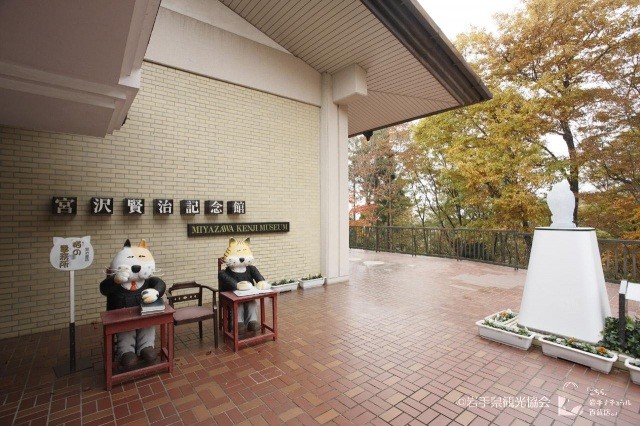
Kenji Miyazawa was a talented writer with accomplishments in a wide range of fields including poetry, literature, agriculture and science. The Miyazawa Kenji Memorial Museum is located at the top of Mount Koshio in his hometown of Hanamaki.
The museum is based on the subject areas of science, art, the universe, religion and agriculture and includes displays of both videos and documents. Visitors can catch a glimpse of the author’s personality though the displays of his personal belongings and manuscripts. The museum also outlines his creative process and the results of his scientific research all of which serves as an inspiration to all who visit! In addition to the museum café and gift shop, the lounge is the perfect place to relax and enjoy the panoramic view of the city of Hanamaki.
Miyazawa’s creativity is also on display in the south-facing flower garden and floral sundial reproduction based on his original design at Polan Square.
The Miyazawa Kenji Ihatov Centre and Miyazawa Kenji Fairy Tale Village are nearby. After exploring these museums, visitors come away with a deeper understanding of his imaginary worlds.
For particular fans a monument of Kenji Miyazawa can be found in the grounds of the former private institute of agriculture “Rasu Chijin Kyokai” founded by Kenji himself. Part of his famous poem “Amenimo Makezu” (strong in the rain) is inscribed on the monument by the acclaimed artist Kotaro Takamura.
The museum is based on the subject areas of science, art, the universe, religion and agriculture and includes displays of both videos and documents. Visitors can catch a glimpse of the author’s personality though the displays of his personal belongings and manuscripts. The museum also outlines his creative process and the results of his scientific research all of which serves as an inspiration to all who visit! In addition to the museum café and gift shop, the lounge is the perfect place to relax and enjoy the panoramic view of the city of Hanamaki.
Miyazawa’s creativity is also on display in the south-facing flower garden and floral sundial reproduction based on his original design at Polan Square.
The Miyazawa Kenji Ihatov Centre and Miyazawa Kenji Fairy Tale Village are nearby. After exploring these museums, visitors come away with a deeper understanding of his imaginary worlds.
For particular fans a monument of Kenji Miyazawa can be found in the grounds of the former private institute of agriculture “Rasu Chijin Kyokai” founded by Kenji himself. Part of his famous poem “Amenimo Makezu” (strong in the rain) is inscribed on the monument by the acclaimed artist Kotaro Takamura.
Miyazawa Kenji Fairytale Village
Experience the fantasy world of Kenji Miyazawa!
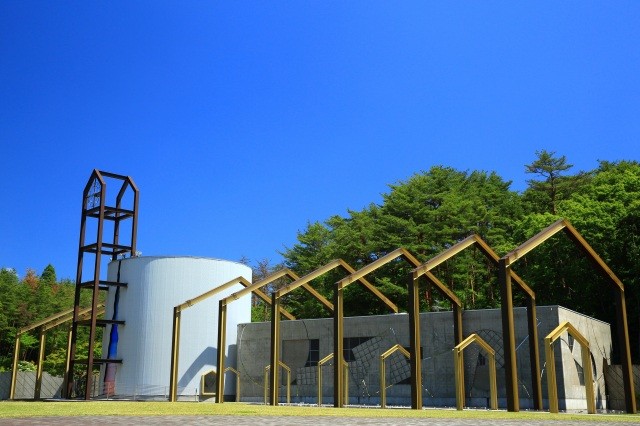
The Miyazawa Kenji Fairy Tale Village gives visitors the opportunity to enjoy hands-on learning about the fantasy worlds of Kenji Miyazawa. Pass through the Milky Way Station gate at the village entrance and step into the world of Kenji Miyazawa!
Kenji no Gakko (Kenji’s school) consists of five rooms, the Fantasy Hall, Uchu (universe), Tenku (sky), Daichi (earth) and Mizu (water). A particular highlight is the world of bugs and plants seen from an ant’s point of view of in the Daichi room.
Kenji no Kyoshitsu (Kenji’s classroom) is a row of log-houses with lovely motifs, each house presents a display of plants, animals, stars, birds and stones. A gift shop is also available.
The outdoor space represents some of the sources of his ideas. Enjoy a stroll along the Fukuro no Komichi (owl’s path), relax on one of the benches in the Yosei no Komichi (fairy’s path) and meditate on the surrounding wonders. Visitors can see the wild herbs that appeared in his fairy tales in the Sanyaso-en (wild herb garden).
The village is also fantastic when illuminated at night.
The venue is family friendly, children will particularly enjoy running around the vast grounds. Enjoy a family day out at the Miyazawa Kenji Fairy Tale Village!
Kenji no Gakko (Kenji’s school) consists of five rooms, the Fantasy Hall, Uchu (universe), Tenku (sky), Daichi (earth) and Mizu (water). A particular highlight is the world of bugs and plants seen from an ant’s point of view of in the Daichi room.
Kenji no Kyoshitsu (Kenji’s classroom) is a row of log-houses with lovely motifs, each house presents a display of plants, animals, stars, birds and stones. A gift shop is also available.
The outdoor space represents some of the sources of his ideas. Enjoy a stroll along the Fukuro no Komichi (owl’s path), relax on one of the benches in the Yosei no Komichi (fairy’s path) and meditate on the surrounding wonders. Visitors can see the wild herbs that appeared in his fairy tales in the Sanyaso-en (wild herb garden).
The village is also fantastic when illuminated at night.
The venue is family friendly, children will particularly enjoy running around the vast grounds. Enjoy a family day out at the Miyazawa Kenji Fairy Tale Village!
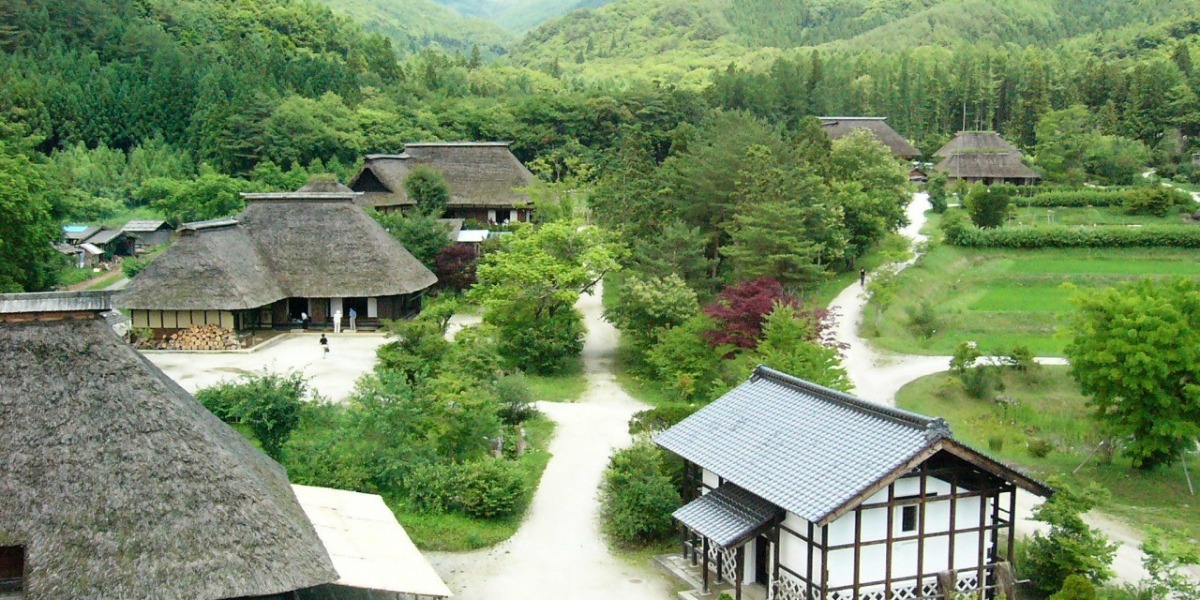
Tono Furusato Village
Experience mountain village life in Nanbu magariya L-shaped houses
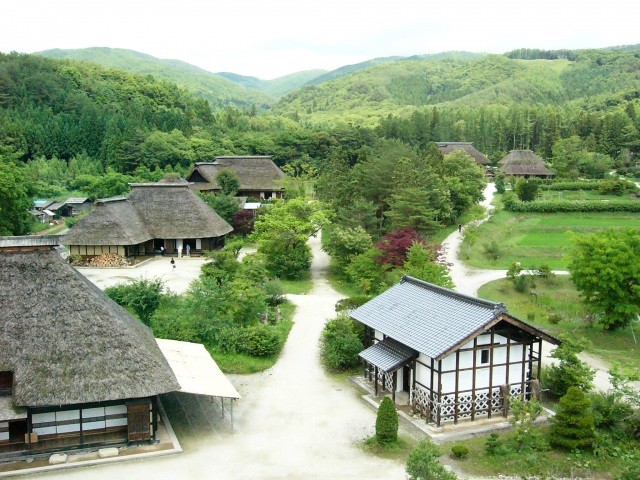
When you enter Tono Furusato Village, you will be surrounded by the retro scenery of a Japanese farming village. L-shaped magariya houses from the mid-Edo period to the mid-Meiji period, which are now rare, have been relocated to recreate a village. It appears as if villagers live here every day, as the village has a stream running through it, a water mill that turns, and fields. In the village, instructors called “Maburitto” (guards) provide more than 20 kinds of experiential guidance, including farming, so that visitors can freely experience life in a mountain village. (Reservations are required one week in advance.) At the restaurant, you can enjoy regional cuisine such as Hittsumi dumpling hot pot and Tono’s specialty Bucket Jingisukan, in which you use a grill in a bucket to cook mutton.
Kappabuchi
Could you be the first to capture a Kappa water sprite? Delve in to the world of folktales armed only with a cucumber!
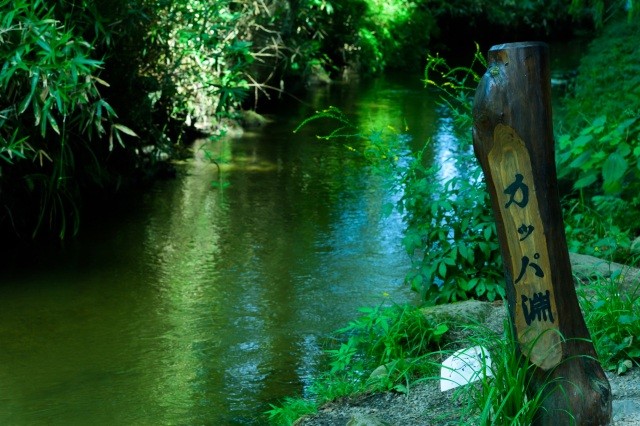
The legend of water sprites, known as kappa, showing themselves to humans can be found in the town of Tono. In Legends of Tono, penned by the famed folklore scholar Kunio Yanagita a story is recounted that, “It is not so unusual to find the footprints of kappa in the sand on the riverbanks, particularly on the day following a rainy day.”
The place where the kappa are believed to live is the Kappabuchi Pool that runs behind Joken-ji Temple. To catch a kappa all you need to do is take a cucumber to Denshoen Park and get a “Kappa fishing permit (220 yen)”! On the reverse side of the permit you can find the “Seven rules for capturing kappa,” which share various humorous points of caution required when you set out to capture a kappa, such as “don’t scratch the top of its head, and don’t spill the water found on the top of its head when you catch it.” Fishing rods are placed around the pool, so try and catch your own kappa using cucumber as bait!
On the banks of Kappabuchi Pool are two statues of kappa and also a small shrine that is dedicated to the goddess of breasts. It is said that if a woman with children comes to the shrine and prays for her breast milk to be plentiful, her prayer will be answered. To make a prayer it is the custom to offer a piece of red material in the shape of a breast to the shrine.
Why not visit other nearby spots where you can experience the history of the region, like Joken-ji Temple, where the guardian dogs at the entrance to the temple are carved in the shape of kappa, and Denshoen Park, a nationally designated important cultural property? Come and listen to the stories and traditions of the Tono region.
A thematic journey in the Tohoku region:Riverside
The place where the kappa are believed to live is the Kappabuchi Pool that runs behind Joken-ji Temple. To catch a kappa all you need to do is take a cucumber to Denshoen Park and get a “Kappa fishing permit (220 yen)”! On the reverse side of the permit you can find the “Seven rules for capturing kappa,” which share various humorous points of caution required when you set out to capture a kappa, such as “don’t scratch the top of its head, and don’t spill the water found on the top of its head when you catch it.” Fishing rods are placed around the pool, so try and catch your own kappa using cucumber as bait!
On the banks of Kappabuchi Pool are two statues of kappa and also a small shrine that is dedicated to the goddess of breasts. It is said that if a woman with children comes to the shrine and prays for her breast milk to be plentiful, her prayer will be answered. To make a prayer it is the custom to offer a piece of red material in the shape of a breast to the shrine.
Why not visit other nearby spots where you can experience the history of the region, like Joken-ji Temple, where the guardian dogs at the entrance to the temple are carved in the shape of kappa, and Denshoen Park, a nationally designated important cultural property? Come and listen to the stories and traditions of the Tono region.
A thematic journey in the Tohoku region:Riverside
Arrival at Shin-Hanamaki Station
GOAL